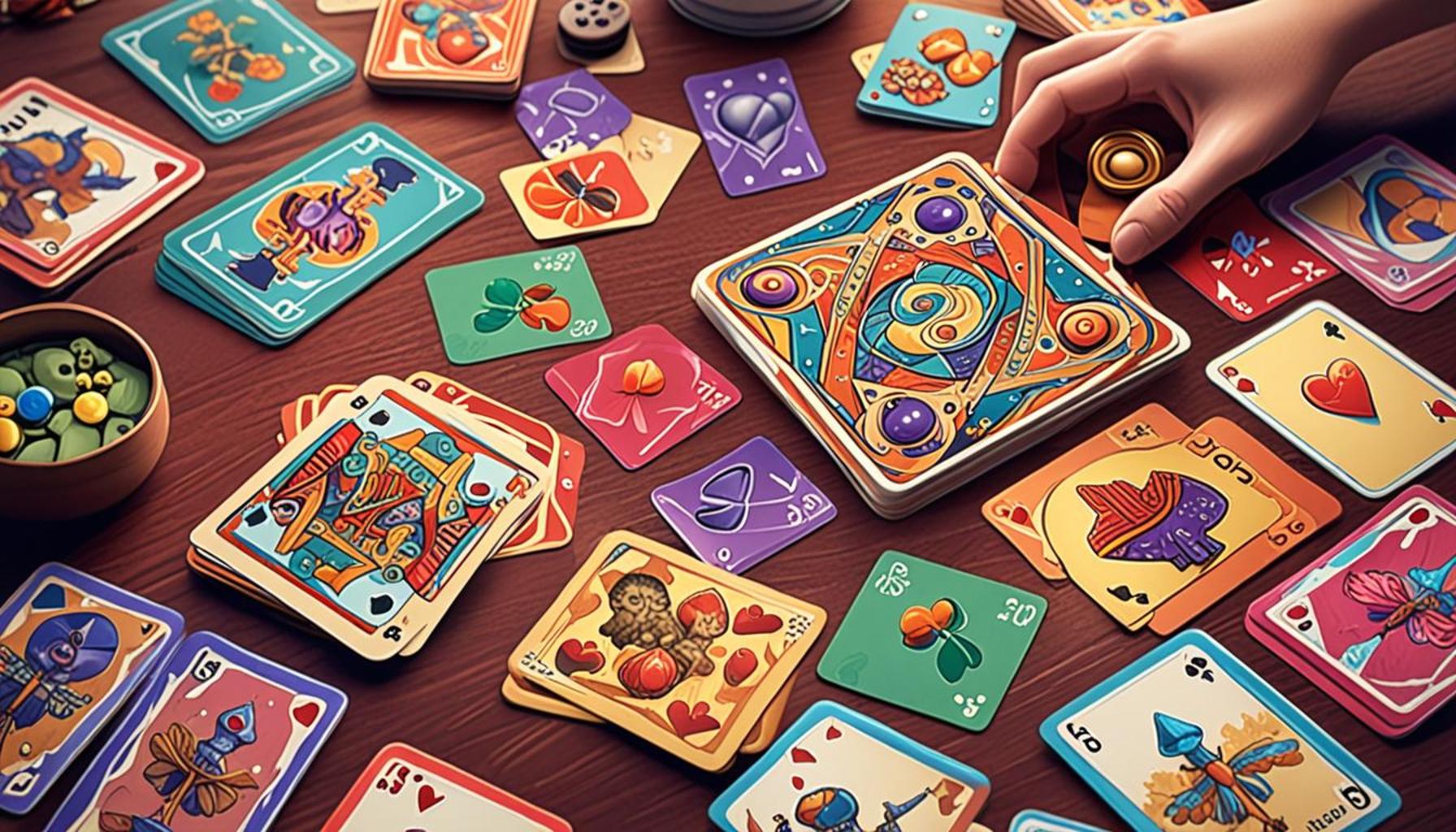
How Visual Memory Games Can Enhance Learning in Educational Settings

Unlocking the Power of Visual Memory Games
In the highly dynamic environment of modern classrooms, educators must constantly seek innovative strategies to enhance student learning. Among these strategies, visual memory games have surfaced as an exceptionally effective resource for improving information retention and boosting student engagement. These interactive games not only inject fun into the learning process but also accommodate diverse learning styles, catering to visual, auditory, and kinesthetic learners alike.
The Benefits of Visual Memory Games
Numerous studies highlight the importance of visual memory in absorbing and recalling information. Incorporating visual memory games into the educational landscape allows teachers to harness this form of memory in a structured way. Here are some of the key advantages:
- Enhance cognitive skills: Engaging in these memory games fosters critical thinking and improves problem-solving abilities. For instance, when students face challenges that require them to analyze patterns and make connections, they are strengthening their cognitive processes.
- Improve focus: Visual memory games are inherently captivating; they draw students in and keep their attention for longer durations. This is particularly beneficial in combating age-old classroom issues related to distractions, especially in a world where technology competes for attention.
- Facilitate group learning: Many visual memory games are designed for collaborative play, which encourages teamwork. Activities where students work together to solve visual puzzles can build communication skills and foster a sense of community within the classroom.
Examples of Visual Memory Games in Action
There are a multitude of creative ways that classrooms across the United States are tapping into the potential of visual memory games. Here are a few popular examples:
- Match-up Games: A classic among visual memory games, students might pair images with corresponding words or concepts, such as matching animals to their habitats or historical figures to significant dates. This type of game reinforces vocabulary and context through visual associations.
- Memory Cards: Utilizing a deck of cards that feature either pictures or words encourages students to sharpen their recall abilities. As they flip over the cards to find matching pairs, they engage their visual memory and concentration.
- Digital Applications: Various apps are designed specifically to bolster visual memory skills in an enjoyable format. For example, ‘Peak’ and ‘Lumosity’ offer a variety of games that challenge users to remember sequences or identify patterns visually, making these resources valuable for both educators and students beyond the classroom.
As the educational sphere evolves, the significance of understanding tools like visual memory games becomes increasingly evident. These games not only foster engagement and retention but also pave the way for more dynamic and interactive learning environments. The potential implications for academic success are profound, possibly creating pathways toward more engaged and successful learners across the nation.
DIVE DEEPER: Click here to discover the evolution of puzzle types

Maximizing Cognitive Potential Through Visual Memory Games
As educators navigate the complexities of contemporary teaching, it’s paramount to recognize the role of visual memory games in enhancing the learning experience. These games are more than mere tools for entertainment—they are a scientifically-backed method for strengthening student cognition and retention capabilities. By capturing the attention of students and offering an engaging platform for interaction, visual memory games can significantly impact educational outcomes, marking a shift from traditional rote learning to a more dynamic and engaging approach.
Understanding the Science Behind Visual Memory
At the core of visual memory games lies cognitive psychology, which provides insight into how visuals aid memory processes. Research suggests that our brains are wired to remember images and spatial arrangements better than abstract concepts. This phenomenon can be attributed to the dual-coding theory, which posits that information processed in both verbal and visual formats enhances learning and recall. In an educational setting, integrating visual stimuli through engaging games can invoke powerful mental imagery, aiding students in better assimilating and retrieving information in other contexts.
Harnessing Visual Memory Games for All Learning Styles
One of the remarkable features of visual memory games is their adaptability to various learning styles. By catering to visual, auditory, and kinesthetic learners, educators can accommodate students with unique preferences, allowing for a more inclusive approach to teaching. Here are several ways to utilize visual memory games across different learning styles:
- Visual Learners: Students who thrive on visual stimuli can benefit from colorful and interactive memory games that involve pictures, diagrams, and animations.
- Auditory Learners: Incorporate sound effects or verbal prompts within visual memory games to create an engaging auditory experience that complements the visuals.
- Kinesthetic Learners: Include physical elements in memory games, such as moving pieces, to engage hands-on learners who benefit from tactile interaction.
Furthermore, visual memory games can play a crucial role in differentiating instruction—an essential strategy in diverse classrooms. By tailoring memory games to meet various learning needs, educators can ensure that every student has the opportunity to succeed. This inclusivity not only fosters a sense of belonging but also drives motivation, leading to improved academic performance.
Building a Foundation for Lifelong Learning
While visual memory games are primarily aimed at enhancing knowledge retention during the school years, their benefits extend far beyond the classroom. Engaging with these games cultivates critical cognitive skills, such as problem-solving and analytical thinking, that are essential for academic success and can apply in real-life contexts. As students learn to identify, process, and recall information effectively, they construct a solid foundation for lifelong learning—an invaluable asset in our rapidly changing world.
Visual memory games are not only entertaining but serve as powerful tools in the educational arsenal. By engaging students actively, these games sharpen cognitive functions and improve retention. One significant advantage is their ability to enhance concentration. When children play these games, they focus on visual details, which cultivates their attention span over time. This skill is particularly crucial in today’s environment, where distractions are abundant.
Additionally, visual memory games foster collaboration and social skills. When played in group settings, they encourage students to communicate, strategize, and cooperate to achieve common goals. This interaction not only allows learners to share ideas but also encourages healthy competition, which can be beneficial for their overall development. By observing their peers, they can also learn new strategies for problem-solving, further expanding their cognitive toolkit.
As educators seek innovative methods to enhance traditional learning methods, incorporating visual memory games provides an exciting avenue for experimentation. Not only do these games appeal to various learning styles, but they also align well with the increasingly digital world that students are accustomed to. Research shows that incorporating interactive elements into learning environments increases student engagement and facilitates deeper comprehension of the material.
| Category | Benefits |
|---|---|
| Improved Cognitive Skills | Enhances memory retention and quickens recall abilities. |
| Social Development | Encourages teamwork and collaborative problem-solving. |
These benefits outline just a glimpse of the potential that visual memory games hold within educational settings. Institutions that integrate such innovative practices not only benefit students academically but also promote essential life skills necessary for the 21st century. The path to a more engaging and effective learning experience may very well depend on harnessing the power of play.
DIVE DEEPER: Click here to discover more
Engaging Students with Technology-Driven Visual Memory Games
The advent of technology has brought about a transformative shift in educational practices, making it easier for educators to implement visual memory games in classrooms. Online platforms and mobile applications now offer a plethora of options designed to capture and maintain the attention of the digital generation. Incorporating these tech-driven games not only facilitates a more interactive learning environment but also aligns with the interests and skills of today’s students.
Leveraging Educational Apps and Online Tools
Today, various educational apps like Lumosity, Quizlet, and Elevate harness the principles of visual memory games to create customized learning experiences. These platforms often feature features such as flashcards, puzzles, and memory challenges that stimulate cognitive processes while making learning fun. According to a study published in the Journal of Educational Psychology, students using such interactive tools experience a noticeable improvement in retention rates, with some showing up to a 25% increase in memory recall compared to traditional study methods.
Furthermore, these platforms often allow for tracking progress and adapting challenges to skill levels, making it easier for educators to personalize learning. With a simple touch or swipe, students can compete against themselves or their peers, reinforcing collaborative learning and constructive competition. This element of gamification creates a motivating learning atmosphere that encourages students to engage actively rather than passively absorbing information.
The Role of Visual Storytelling in Memory Games
Another innovative approach involves using visual storytelling within memory games. Visual storytelling merges narrative elements with images to create a captivating context for learning. This method taps into students’ natural affinity for stories, making complex information more relatable and memorable. By embedding educational concepts into a compelling narrative, educators can facilitate emotional connections with the material, further enhancing memory retention.
For example, science lessons about ecosystems can be transformed into interactive games featuring characters navigating through different environments to collect data and solve problems. Such scenarios not only make learning enjoyable but also help students understand the interconnectedness of subjects, promoting an interdisciplinary approach to education that is critical in today’s world.
Visual Memory Games Bridging the Generation Gap
As educational settings continue to diversify, visual memory games offer a platform that bridges generational learning gaps within classrooms. For instance, older generations of educators may be more accustomed to traditional teaching methods; however, integrating modern visual memory games fosters collaboration across age groups. Tech-savvy students can lend their skills to help educators navigate digital tools, creating an environment of mutual learning and respect.
Similarly, family engagement can be enhanced through at-home visual memory games, facilitating learning beyond the classroom. Parents can participate in online challenges or engage with mobile apps alongside their children, reinforcing learned skills and demonstrating the importance of education in an enjoyable manner.
Incorporating visual memory games into educational settings provides a multifaceted approach that not only stimulates cognitive development but also enriches social and emotional learning. As the landscape of education continues to evolve, the ability to adapt teaching strategies to include engaging tools like visual memory games is integral to achieving equitable and effective learning outcomes for all students.
DIVE DEEPER: Click here to uncover the science behind logical puzzles</a
Conclusion: The Transformative Potential of Visual Memory Games in Education
In conclusion, visual memory games serve as a powerful educational tool that can significantly enhance learning outcomes in various educational settings. By integrating technology-driven platforms and educational apps, teachers can create an engaging atmosphere that resonates with today’s digital learners. These interactive experiences not only stimulate cognitive growth but also foster social interactivity and collaboration among students of all ages.
The evidence supporting the effectiveness of these games is compelling; studies illustrate a remarkable improvement in retention rates, with some students experiencing a 25% increase in memory recall. Additionally, the incorporation of visual storytelling within these games adds a dynamic layer, allowing students to forge emotional connections with educational content, making learning more meaningful. This approach enriches the curriculum and promotes critical thinking, providing students with essential skills for a rapidly changing world.
As educational institutions strive to equip learners for the future, embracing visual memory games can bridge generational gaps and enhance family engagement in the learning process. Parents collaborating with their children on these games not only reinforces concepts but also showcases the value of education in a fun and accessible manner. Ultimately, as we advance towards a more inclusive and innovative educational landscape, the adaptive incorporation of visual memory games will be pivotal in ensuring equitable learning experiences for all students.
By exploring and implementing these creative tools, educators can unlock new potential in their students, making learning not just effective, but also enjoyable and impactful.