
The Effect of Strategy-Based Games on Memory Enhancement in Children
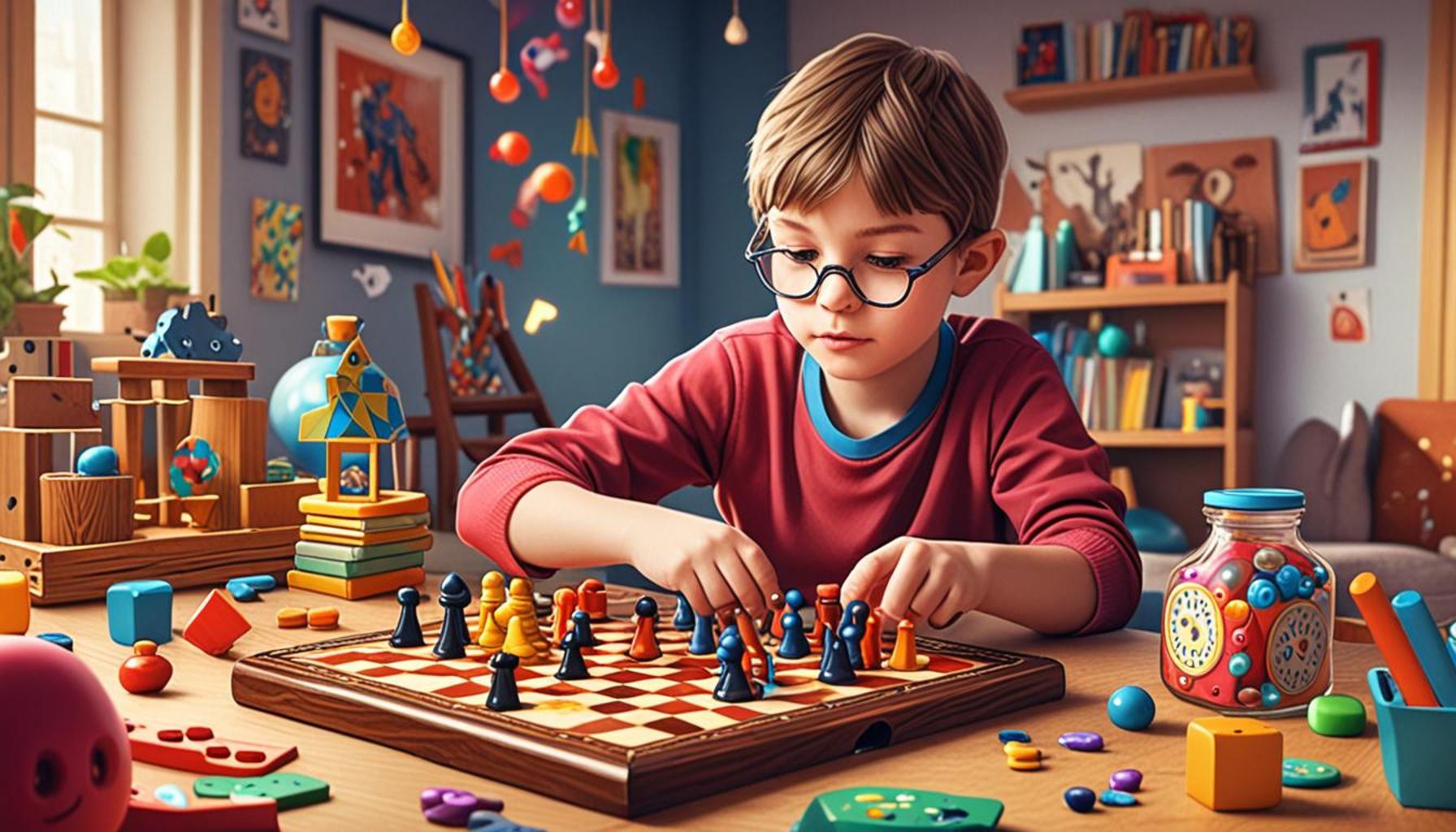
The Cognitive Benefits of Strategy-Based Games
In today’s digital age, children are increasingly engaging with strategy-based games. These games, often both challenging and entertaining, are not just a pastime; they may also hold significant benefits for cognitive development. With the rapid evolution of technology, these games have become more complex and immersive, drawing players into worlds where critical thinking and quick decision-making are essential for success.
Research shows that these games can be powerful tools for enhancing memory in children. Notably, they encourage critical thinking, problem-solving, and decision-making skills. This article explores the potential of these games to boost children’s memory through:
- Increased Focus: Strategy games require players to pay attention to details and remember critical information. For instance, a game like “Civilization” demands that players remember various attributes of their civilizations and the impact of their decisions on the game’s outcome. Such focus translates into improved concentration abilities, which are vital in academic settings.
- Multi-tasking: Players often juggle several goals and objectives, honing their ability to manage various tasks simultaneously. Games like “StarCraft” challenge players to build economies while simultaneously engaging in combat, requiring them to switch between offensive and defensive strategies. This demand on their cognitive load enhances their multi-tasking skills, making them more adept at handling several responsibilities in real-life scenarios.
- Pattern Recognition: Recognizing patterns and strategies is vital, enhancing memory retention and recall. For example, in games like “Chess,” players must remember past moves and predict the opponents’ actions, fostering a stronger ability to recognize and respond to patterns. This cognitive skill is directly transferrable to academic tasks, such as identifying themes in literature or solving complex math problems.
Furthermore, the interactive nature of these games makes learning both fun and effective. As children navigate different scenarios, their brains actively form new neural connections, reinforcing memory. This kind of engagement encourages a deeper understanding of concepts rather than rote memorization. According to a study published in the journal “Cognitive Development,” children who play educational video games show greater retention of knowledge and improved problem-solving skills compared to those who rely solely on traditional methods.
With numerous studies indicating a positive relationship between game play and cognitive skills, it’s crucial to delve deeper into how strategy-based games can be effectively utilized in educational contexts. Schools are beginning to incorporate these games into curriculums, creating a dynamic learning environment where students can apply what they learn in real-time. This article aims to shed light on this intriguing intersection of gaming and education and encourage further investigation into new methodologies for cognitive enhancement.
DIVE DEEPER: Click here to discover more
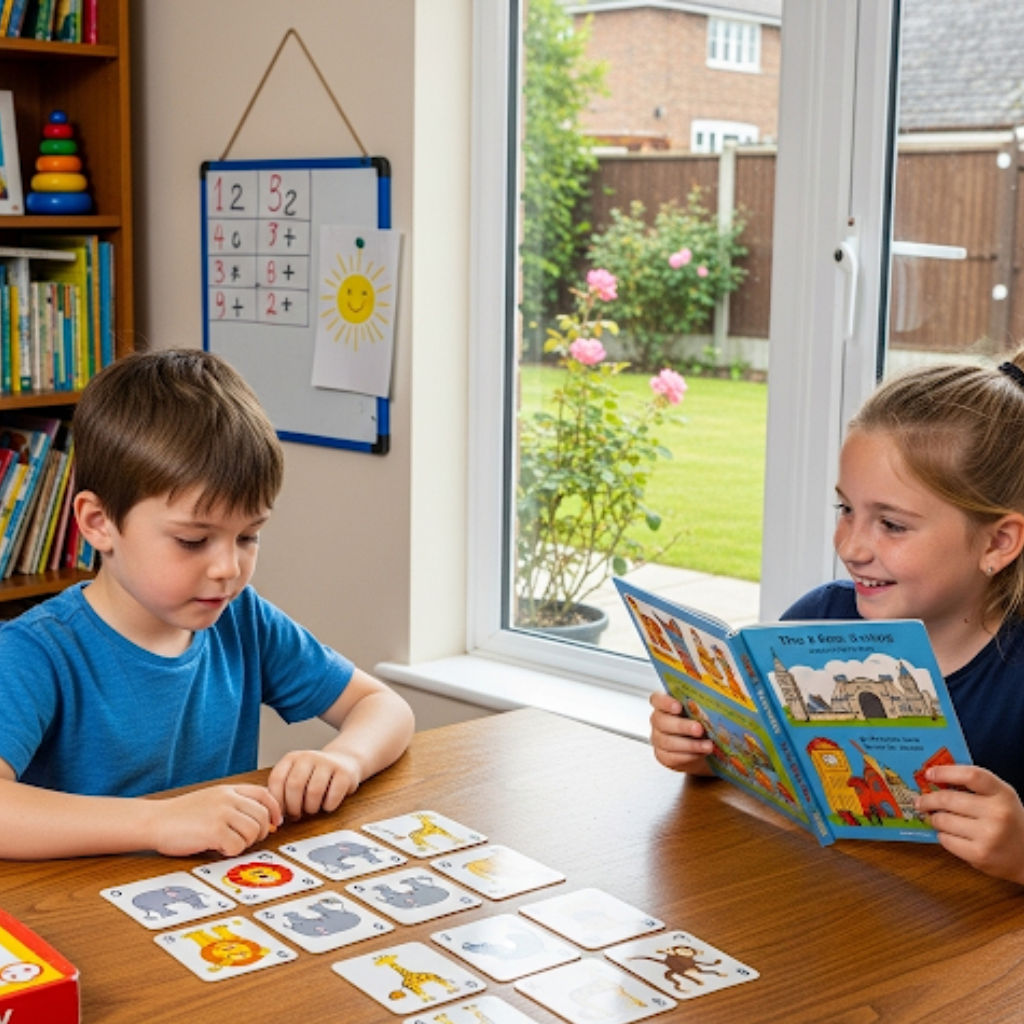
Unlocking Memory Potential Through Gameplay
The incorporation of strategy-based games into children’s daily routines presents an innovative approach to enhancing memory skills. These games, once merely a source of entertainment, are now being recognized for their unique capacity to bolster cognitive abilities, especially in the realm of memory. By engaging in complex scenarios that require thoughtful planning and execution, children develop crucial skills beneficial not only in gaming but also in their academic life.
At the core of these games is the concept of active learning. Unlike passive forms of entertainment, such as television or casual video games, strategy-based games demand active participation and mental engagement. Children must navigate intricate game mechanics, often requiring them to memorize information ranging from the simplest rules to extensive strategies. This multi-faceted engagement promotes a robust learning environment, allowing players to absorb and retain information more effectively.
One of the most compelling attributes of strategy games is their ability to create a dynamic memory workout. Consider the following elements contributing to memory enhancement:
- Engagement of Working Memory: Strategy games often have players holding multiple pieces of information in mind simultaneously, such as unit positions, resource management, and opponent tactics. Engaging working memory in this way helps improve both short-term and long-term retention of information.
- Repetitive Exposure: Many strategy games incorporate scenarios and challenges that players must face repeatedly. This cyclical exposure enhances memory recall, as children learn through repetition and practice.
- Social Interaction: Multiplayer strategy games facilitate cooperation and competition among peers, requiring children to communicate their strategies and remember the shared goals. Enhanced social interaction helps solidify memory as players bond over shared experiences and challenges.
Moreover, research conducted by renowned institutions highlights that children who regularly engage with strategy-based games demonstrate improved memory retention compared to their peers who do not. A study published in the journal “Frontiers in Psychology” indicates that cognitive training through video games can lead to profound changes, especially in young minds. Children who participated in strategy game sessions exhibited improved recall ability and cognitive flexibility, both integral for academic success.
As the educational landscape continues to evolve, the integration of such games into classrooms might serve as a valuable asset in developing memory and cognitive skills in children. Schools across the United States are beginning to recognize this potential, incorporating strategy games into their curriculum for subjects ranging from mathematics to history. By using technology to engage students actively, educators are paving the way for innovative teaching methods that foster memory improvement in ways traditional techniques may not accomplish.
The implications of leveraging strategy-based games for memory enhancement extend beyond just immediate academic benefits. The skills developed through these gaming experiences can influence a child’s approach to complex problem-solving scenarios throughout their lives. As we examine the cognitive advantages of strategy-based games, it becomes increasingly clear that investing time in these interactive experiences could offer significant advantages for the next generation.
| Category | Advantages |
|---|---|
| Cognitive Development | Strengthens memory recall and processing speed through complex gameplay. |
| Problem-Solving Skills | Encourages adaptive thinking and strategy formulation in various scenarios. |
The effects of strategy-based games on children are profound, particularly in enhancing cognitive skills crucial for academic success and daily life. These games demand high levels of concentration and quick decision-making, fostering cognitive development. As children navigate complex scenarios and manage resources within the game, they not only strengthen their memory recall but also improve their processing speed. Such mental challenges lead to the development of valuable skills that extend beyond the screen, positively affecting their learning experiences.Moreover, problem-solving skills are significantly refined as children engage in strategy-based games. The necessity to formulate effective plans and adapt to rapidly changing game environments encourages them to think critically and creatively. This active engagement in problem-solving can translate into improved performance not only in academic settings but also in real-life situations. The cognitive flexibility gained through these games equips children to handle challenges with confidence and skill, making them well-prepared for future endeavors. With the increasing integration of technology in learning, further exploration into how strategy-based games can be harnessed as educational tools will be vital. Understanding the long-term implications on memory and cognitive development in children remains an intriguing area worthy of investigation.
DISCOVER MORE: Click here to enhance your skills
Fostering Cognitive Skills Beyond Memory
As we delve deeper into the realm of strategy-based games, it’s essential to recognize that their benefits extend far beyond mere memory enhancement. These gaming experiences cultivate an array of cognitive skills essential for a child’s overall development. Among these, critical thinking and decision-making abilities stand out prominently. Players are often faced with challenging scenarios, requiring them to analyze information, weigh options, and predict outcomes—all of which sharpen their cognitive acuity.
Another significant area influenced by strategy games is organizational skills. In many games, success hinges on meticulous planning and resource management. For instance, games requiring players to build civilizations or armies necessitate strategic foresight. Children learn to prioritize tasks effectively, allocate resources wisely, and construct the most effective plans based on available information. This not only fosters a greater awareness of how to approach goals but is also reflected in the organizational skills they exhibit in their academic and personal lives.
Furthermore, studies have shown that increased engagement with strategy-based games can have a positive correlation with emotional intelligence. Players often experience camaraderie and rivalry as they interact with peers, engaging in a healthy exchange of ideas. Such interactions cultivate empathy and teamwork, qualities that are increasingly recognized as critical for success in today’s interconnected society. A study conducted by the University of Colorado Boulder found that children who played cooperative strategy games exhibited greater levels of empathy and understanding towards their peers, emphasizing the social dimension of these gaming experiences.
In addition to these cognitive and emotional benefits, it’s necessary to consider the potential for technology integration in education. As educators seek innovative methods to engage students, incorporating strategy-based games into their instructional tools can align classroom activities with modern learning styles. For instance, platforms like Kahoot! and Quizlet have integrated gamification into subjects traditionally viewed as mundane, effectively blurring the lines between learning and play. Evidence suggests that when academic concepts are presented in a game-like format, students show higher levels of motivation and retention, ultimately supporting enhanced memory capabilities.
Moreover, the impact of these games on neuroplasticity, the brain’s ability to reorganize itself, is a growing area of interest among researchers. The stimulation provided by strategy games was highlighted in a study by the University of California, which reported that children who participated in strategy game sessions exhibited measurable improvements in brain regions associated with memory and learning. This suggests that the very act of engaging in these games may facilitate biological changes that support memory enhancement over time.
Beyond the individual benefits, the societal implications of supporting strategic gameplay in childhood are significant. As parents and educators embrace the potential of these games, they contribute to fostering a generation equipped with enhanced cognitive skills—critical thinking, problem-solving, and social collaboration. By prioritizing memory enhancement and cognitive development through engaging gameplay, we are not just aiming to improve academic performance; we are nurturing well-rounded, capable individuals ready to face the complexities of the modern world.
DISCOVER MORE: Click here to enhance your memory skills
Conclusion: Unlocking the Future of Learning Through Play
In summary, the exploration of strategy-based games reveals a multifaceted impact on children’s cognitive development, particularly in enhancing memory. The interplay between engaging gameplay and memory improvement has shown substantial promise, as children not only sharpen their recall abilities but also cultivate essential skills such as critical thinking, organization, and emotional intelligence. The psychological benefits of these games contribute to a holistic approach to learning, where children are empowered to navigate challenges creatively and collaboratively.
Furthermore, the integration of technology through educational platforms showcases a progressive alignment between gaming and academic achievement. By embracing the gamification of learning, educators can spark motivation and improve retention in subjects that might ordinarily seem daunting. This reveals a unique opportunity for learning environments to adapt to the needs of modern students, using gameplay as a key instrument for cognitive enhancement.
As research on neuroplasticity continues to evolve, the correlation between strategic gameplay and the brain’s capacity to adapt further reinforces the value of these games in childhood education. However, it’s essential to approach this with balance—ensuring that screen time is moderated while recognizing the benefits that well-designed strategy games can offer.
Ultimately, as society moves toward a future that demands critical thinkers and adept problem-solvers, fostering the right kind of play could very well become an essential aspect of childhood development. By prioritizing strategy-based games, parents and educators can play a pivotal role in equipping the next generation with the cognitive tools necessary to thrive in an increasingly complex world. As we continue to unlock the potential of these games, we open new pathways for children to explore, learn, and grow—improving not only their memory but their overall ability to engage with the world around them.