The Influence of Puzzle Complexity on Cognitive Load and Learning Efficiency

The Role of Puzzle Complexity in Cognitive Development
Puzzles have been an integral part of human culture, inspiring both entertainment and cognitive development. The complexities involved in different puzzles can significantly influence our problem-solving capabilities and learning processes. At the heart of this interaction is the cognitive load theory, which asserts that there is a limit to the amount of information our brains can handle at once. This concept is essential when considering the complexity of puzzles, as it can either facilitate or hinder our ability to learn effectively and solve problems skillfully.
Research has shown that the intricacy of a puzzle can leave a profound impact on various dimensions of cognitive functioning. For example:
- Problem-solving skills: Engaging with more complex puzzles often requires a higher level of analytical thinking. For instance, chess puzzles that involve multiple strategic moves can push players to think several steps ahead, enhancing their overall tactical skills.
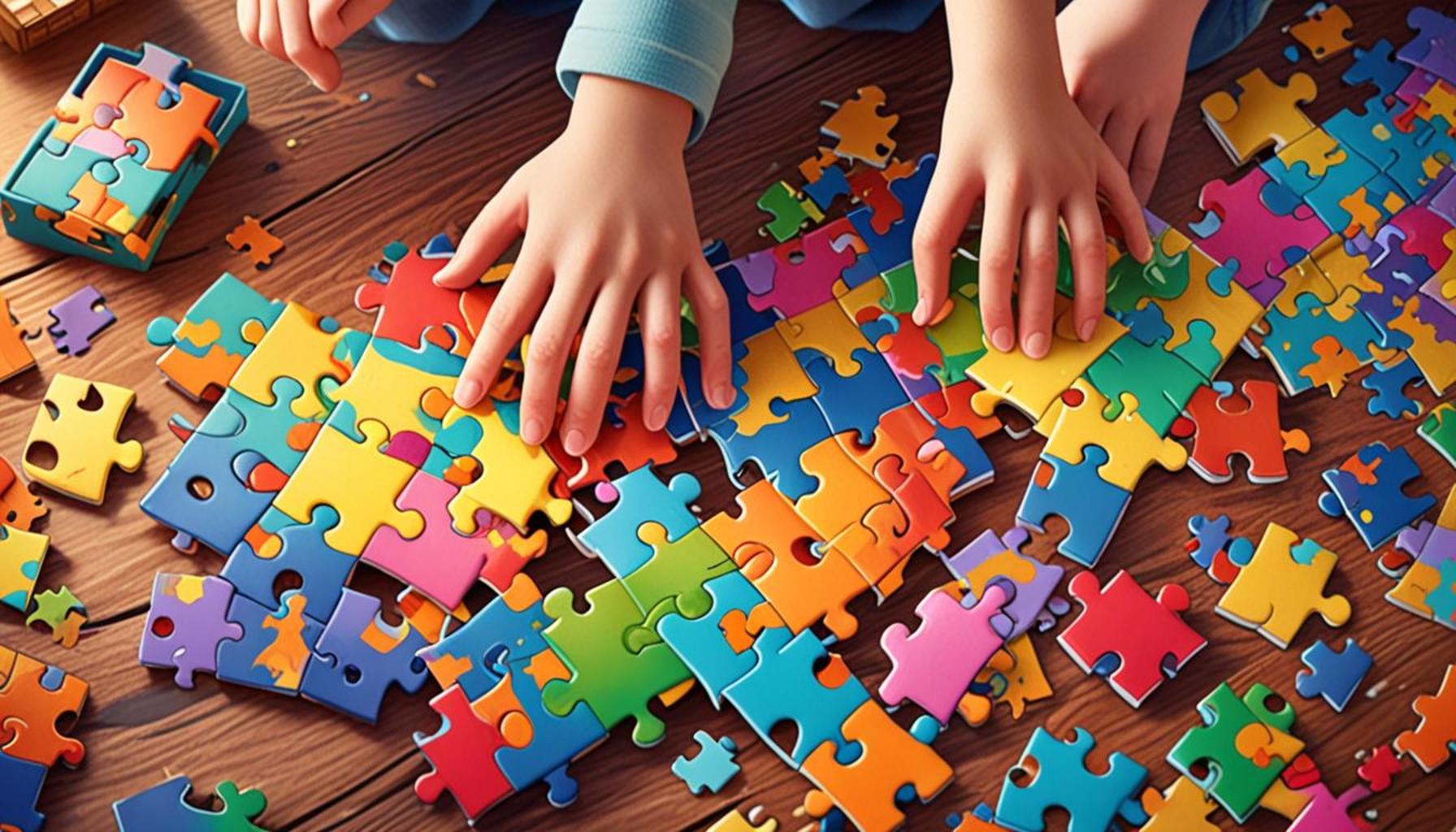
- Memory retention: As the complexity of a puzzle increases, so does the necessity to remember earlier steps. Consider jigsaw puzzles where various pieces must be kept in mind to complete the picture—this can significantly boost short-term memory and improve spatial recognition.
- Engagement levels: Complex puzzles may provoke a range of emotional responses; they can either captivate the solver, fostering persistence, or lead to frustration and disengagement. The balance of challenge and enjoyment is crucial, as seen in the varying reception of games like Sudoku, which can be both compelling and daunting depending on the puzzle’s difficulty.
Moreover, understanding the balance between challenge and skill is pivotal for optimizing learning experiences, particularly in educational settings. Educators can leverage this insight by introducing simpler puzzles to beginners, which help to build foundational skills—such as logical reasoning and pattern recognition—before advancing to more intricate puzzles that challenge advanced learners. For example, a teacher might start with basic crossword puzzles and gradually move on to more complex ones involving intricate wordplay and challenging clues as students’ skills develop.
The exploration of puzzle complexity, cognitive load, and learning efficiency emphasizes the need for personalized learning pathways. Such tailored experiences not only enhance individual engagement but also foster resilience and a growth mindset. In this digital age, where puzzles can be easily accessed online, understanding how to appropriately adjust complexity according to individual skills will be vital in encouraging learners to embrace challenges. This thoughtful approach promotes a culture of curiosity and improvement, inviting individuals to not only solve puzzles but to derive deeper learning from them. Let us continue to unravel the intricate relationship between cognitive challenges and personal growth through the lens of puzzles.
EXPLORE MORE: Click here to deepen your understanding
Understanding the Relationship Between Puzzle Complexity and Learning Outcomes
The intersection of puzzle complexity and cognitive load plays a pivotal role in shaping learning outcomes. While puzzles serve as engaging tools for entertainment, their intricate designs challenge our cognitive faculties in unique ways. As puzzles become more complex, they inevitably place greater demands on our cognitive resources, which can both enhance and obstruct learning efficiency.
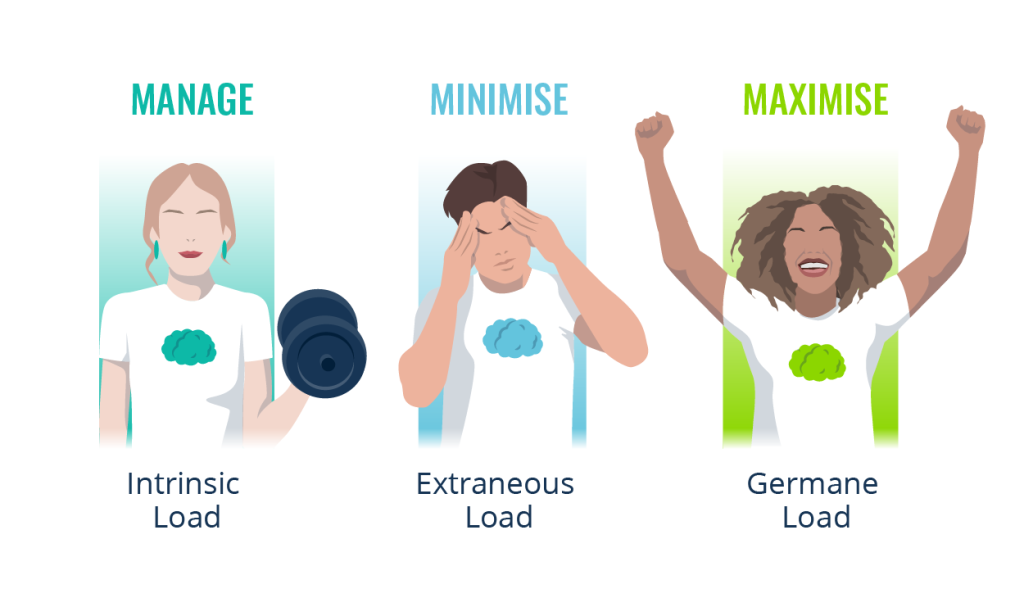
A fundamental concept in cognitive psychology, cognitive load theory categorizes memory into three types: intrinsic, extraneous, and germane load. Intrinsic load pertains to the inherent difficulty of the puzzle itself, while extraneous load refers to any non-essential elements that may detract from the learning process. Germane load, however, is the cognitive effort deduced to create and transfer knowledge. When faced with a complex puzzle, learners must navigate these types of cognitive load, which can lead to varied outcomes on their ability to grasp new information and develop problem-solving skills.
Research has shown that the right level of puzzle complexity can stimulate cognitive engagement, leading to heightened learning efficiency. Consider the following examples:
- Scaffolded Learning: Starting with simpler puzzles, such as basic Sudoku or tangrams, allows individuals to build foundational skills. As confidence and competence increase, transitioning to more elaborate puzzles—like intricate logic puzzles or advanced chess problems—can foster deeper analytical thinking and strategy development.
- Rewarding Challenges: Complex puzzles often engage users by presenting a balanced challenge. The emotional feedback loop, where a solver feels satisfaction upon navigating a tricky problem, encourages continued engagement and promotes a positive learning experience.
- Skill Transfer: The analytical skills developed through complex puzzle-solving can transfer into other areas. For example, a student who excels at solving multifaceted word problems may find success in mathematics, where problem-solving and critical thinking are essential.
Yet, while complexity can motivate and challenge learners, it can also lead to frustration. If the cognitive load exceeds a learner’s capacity to manage it, disengagement sets in. This underscores the importance of actively monitoring a learner’s experience when introducing varied puzzle formats. In educational contexts, adaptive learning strategies that cater to individual skill levels can help sustain motivation and facilitate a seamless transition from simpler to more complex tasks.
As we dissect the impact of puzzle complexity on cognitive load and learning efficiency, it becomes apparent that understanding and managing these variables is crucial. This relationship not only informs educational practices but also illuminates how we can enhance our cognitive capabilities through thoughtful engagement with puzzles. In this digital era, where puzzles can be tailored to fit various skill levels, their accessibility provides an extraordinary opportunity for enhancing learning experiences across all age groups.
The relationship between puzzle complexity and cognitive load is a fascinating area of study that continues to garner attention from educational researchers and cognitive psychologists alike. As puzzles vary in complexity, they inherently alter the way learners engage with the material. Here, we delve into how different levels of complexity affect both learning efficiency and cognitive processing.
Research indicates that simple puzzles can facilitate learning by allowing learners to achieve quick wins, which significantly enhance motivation and confidence. In contrast, as complexity increases, so does cognitive load. This heightened load can either challenge learners to sharpen their problem-solving skills or overwhelm them, leading to frustration and disengagement. Thus, there is a delicate balance to strike — the challenge of a complex puzzle may enhance cognitive engagement when appropriately matched to the learner’s capabilities.
Moreover, studies suggest that moderate complexity in puzzles can promote deeper understanding by encouraging learners to adopt strategic thinking in approaching problems. When learners encounter puzzles that require critical thinking and strategy, they are likely to employ metacognitive skills, such as self-monitoring and self-regulation, suggesting that the role of meta-cognition in learning cannot be underestimated. These skills not only facilitate immediate learning encounters but also build a foundation for lifelong learning.
As educational tools, puzzles can be utilized to assess and enhance learner interaction with complex materials. They can serve as a practical mechanism for educators looking to enhance student engagement and improve learning outcomes. Understanding this dynamic and leveraging it effectively can create optimal learning environments that cater to individual learner needs.
| Category 1 | Category 2 |
|---|---|
| Cognitive Load | Puzzles that challenge cognition, enhancing problem-solving skills. |
| Learning Efficiency | Moderate complexity promotes deeper understanding and engagement. |
Ultimately, understanding the influence of puzzle complexity on cognitive load can lead to more effective educational strategies. It opens the door for further exploration of how varying levels of challenge can be optimized in educational contexts, encouraging both research and practical applications that enhance learning experiences for students everywhere.
DIVE DEEPER: Click here to unlock the secrets of memory palaces
Strategies for Optimizing Puzzle Complexity in Learning Environments
To harness the potential of puzzle complexity effectively, educators and learners must adopt strategic approaches that optimize cognitive load while enhancing learning efficiency. By carefully calibrating the level of challenge presented by puzzles, it is possible to foster an environment that is both stimulating and supportive of skill development. Let’s explore some effective strategies to achieve this balance.
Progressive Skill Development is paramount in recognizing that learners benefit significantly from gradual exposure to complex puzzles. Research, such as studies from the Journal of Educational Psychology, indicates that incremental skill building allows learners to consolidate foundational knowledge before tackling more complicated challenges. For instance, advanced programming courses often integrate simple coding puzzles before advancing to complex algorithms, enabling students to build confidence and competence at each stage. This approach minimizes frustration and enhances retention through an adaptive learning platform that adjusts the difficulty based on learner performance.
Gamification is another compelling strategy that can be employed to motivate learners in puzzle-solving endeavors. By incorporating game elements, such as rewards, progress tracking, and competition, educators can transform the learning landscape. For example, platforms like Duolingo utilize puzzles in language learning while embedding gamified elements to sustain engagement. The competition and rewards provided can help learners embrace more challenging material without overwhelming them, turning potential cognitive overload into productive engagement.
Peer Collaboration on complex puzzles opens avenues for cognitive load management. Collaborative problem-solving not only diminishes the burden of intrinsic load but also encourages social interaction and knowledge-sharing among peers. A study published in the Educational Psychology Review suggests that group dynamics foster deeper understanding through shared cognitive effort. For instance, students working together to solve a challenging riddle or a multifaceted logic puzzle can combine their strengths and perspectives, enriching their individual learning experiences through varied insights.
Incorporating Feedback Mechanisms allows learners to monitor their progress and adapt their strategies when tackling complex puzzles. Regular feedback helps individuals identify areas for improvement while boosting motivation. For example, adaptive learning software often employs real-time analytics to help users identify which puzzle types they struggle with. This feedback loop can lead to tailored recommendations for additional practice or alternate approaches that align with the learner’s unique cognitive load capacity.
Real-World Applications are also vital in enhancing cognitive engagement with complex puzzles. Connecting puzzle-solving activities to practical scenarios can enhance the relevance of the learning experience. In mathematics education, for example, educators often use real-life dilemmas or projects involving geometrical puzzles or statistical analysis to illustrate the application of theoretical concepts, thus heightening intrinsic motivation and ensuring learning is transferable.
By understanding these strategies, educators can effectively manipulate puzzle complexity to align with cognitive load theory principles, ultimately improving learning efficiency. As our comprehension of the relationship between puzzles and cognitive load evolves, it is evident that puzzles, when properly utilized, can serve as potent instruments for enhancing cognitive abilities in diverse learning environments.
DISCOVER MORE: Click here to delve deeper
Conclusion: Unraveling the Threads of Cognitive Engagement
In navigating the intricate relationship between puzzle complexity and cognitive load, it becomes clear that the design of learning experiences must be intentional and strategically thought out. The article has illuminated key insights into how varying levels of puzzle complexity can not only challenge learners but also serve as powerful tools for fostering learning efficiency. By implementing strategies such as progressive skill development, gamification, collaborative problem-solving, feedback mechanisms, and real-world applications, educators can create environments that stimulate engagement while maintaining optimal cognitive load.
Moreover, as we delve deeper into this domain, it is evident that understanding the influence of puzzle complexity goes beyond mere academic interest; it has significant implications for educational practices and outcomes. For instance, the ability to create adaptive learning experiences that resonate with learners’ cognitive capacities could redefine how we approach education in the United States and beyond. This emphasizes the importance of ongoing research and pedagogical innovation aimed at optimizing learning conditions for diverse audiences.
Ultimately, the intersection of cognitive psychology and educational strategies paves the way for a fresh perspective on learning. By continuing to explore and implement effective approaches to puzzle complexity, educators can empower students to conquer challenges, enhance their critical thinking skills, and transform problem-solving into a dynamic and enjoyable experience. As education evolves, so too should our methods for engaging learners in ways that are meaningful and impactful, ensuring that complex puzzles become a bridge to deeper understanding rather than a barrier to progress.