Investigating the Role of Memory Palaces in Enhancing Recall Through Gamified Techniques
Unlocking the Secrets of Memory Enhancement
In an age where information overload is commonplace, enhancing our memory has become increasingly vital. One fascinating technique known to boost recall is the concept of Memory Palaces. This ancient mnemonic method, combined with gamified techniques, opens new avenues for memory improvement. Understanding and applying these strategies can greatly affect how we retain and recall information in our daily lives.
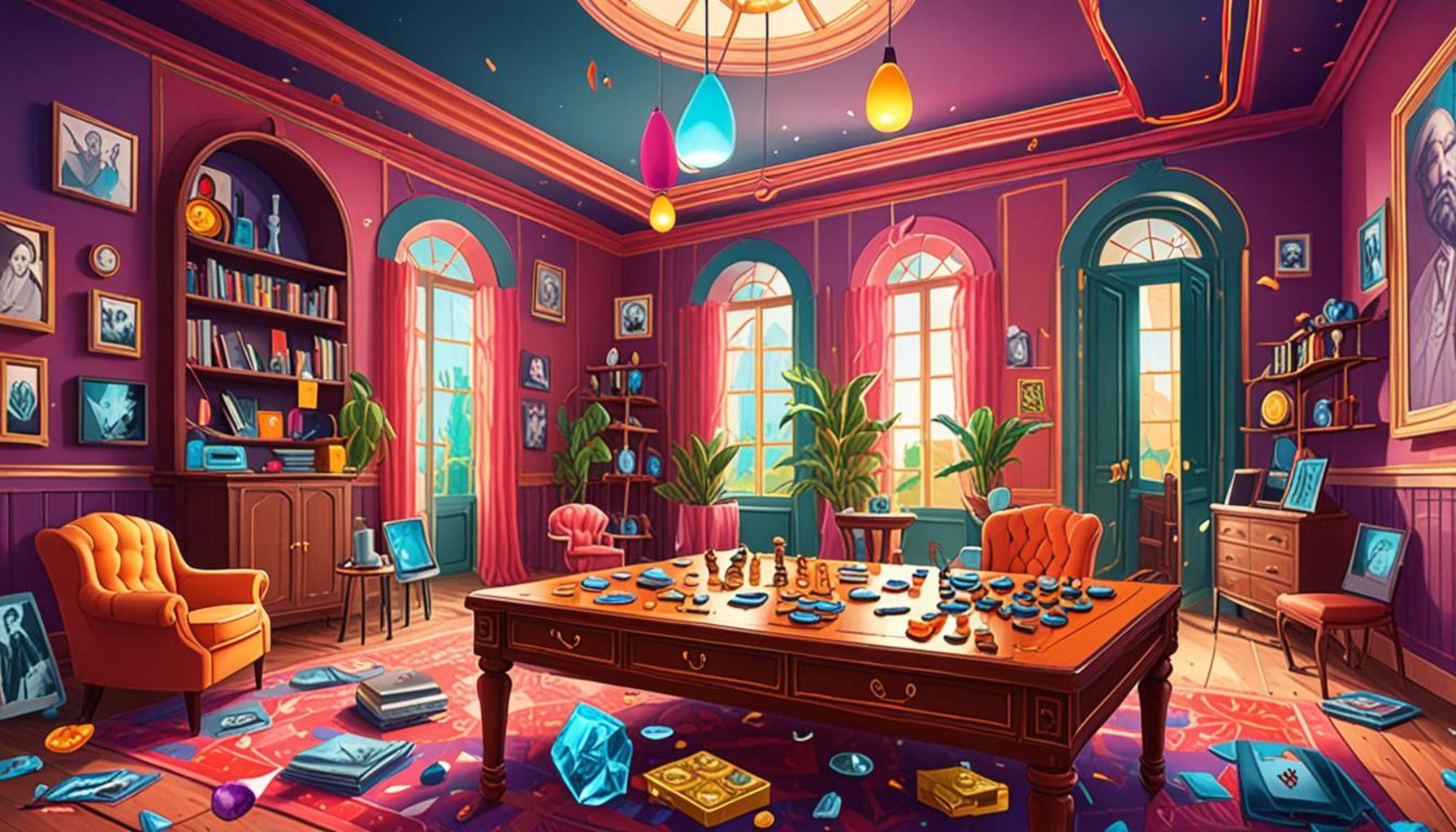
Memory Palaces leverage the mind’s natural ability to remember locations and spatial arrangements. By associating new information with specific rooms or landmarks in a familiar space, individuals can create vivid mental images that enhance their recall. For example, you might imagine placing your grocery list items around your childhood home: apples on the living room couch, milk on the kitchen table, and bread in your bedroom. This quirky visualization not only helps in remembering the items but also makes the task of grocery shopping less mundane.
The benefits of using Memory Palaces are manifold. They can lead to:
- Increased retention rates: Studies show that spatial memory can improve recall by up to 30%. This is particularly advantageous for students preparing for exams or professionals needing to remember presentations.
- Enhanced creativity in recalling facts: The more imaginative your associations, the easier it is to retrieve the information. Personalizing memories can make them more engaging and impactful.
- Improved organizational skills in learning: As you categorize information within different rooms of your Memory Palace, you start to develop a structured approach to learning that can help in both academic and professional settings.
Meanwhile, gamification adds a layer of engagement that transforms mundane memorization into an exciting endeavor. Incorporating elements such as:
- Points systems: Assigning points for memorizing certain amounts of information can motivate individuals to set challenges for themselves.
- Competitive play: Engaging in friendly competitions with peers can add an adrenaline rush that prompts better performance.
- Interactive challenges: Quizzes and memory-based games can create a fun environment for learning while reinforcing knowledge recall, making efforts feel less like work and more like play.
This article will delve deeper into how Memory Palaces and gamified techniques intertwine, creating a powerful strategy for enhancing recall. By investigating these methods, we can uncover practical applications for students facing exams, professionals preparing presentations, and anyone eager to sharpen their memory skills. The convergence of ancient techniques with modern engagement strategies not only enhances memory but also enriches our learning experiences in compelling ways. Thus, exploring these intriguing methods could unlock untapped potential in our everyday lives.
DISCOVER MORE: Click here to unlock the secrets of Sudoku’s benefits
The Science Behind Memory Palaces and Their Impact on Recall
The practice of utilizing Memory Palaces dates back to ancient Greece, where orators relied on this technique to memorize lengthy speeches and details. Research has shown that our brains excel at remembering spatial and visual information. This inherent strength becomes a powerful ally when combined with gamified techniques designed to enhance memory recall. But how exactly do Memory Palaces function, and how can gamification amplify their effectiveness?
Memory Palaces operate on the principle of spatial memory, which allows individuals to encode new information based on physical locations or structures. When creating a Memory Palace, one imagines a familiar space—like a home, school, or park. The key lies in strategically placing pieces of information within various ‘rooms’ or locations in that space. This method taps into the brain’s ability to visualize details, leading to improved recall rates.
In addition to its historical roots, modern cognitive science backs the effectiveness of this memory technique. Research indicates that memory recall can be enhanced by as much as 30% through spatial encoding. This is particularly pertinent for students facing high-stakes exams or professionals needing to memorize extensive presentations. The data suggests that when individuals mentally navigate through their Memory Palaces, they activate areas of the brain associated with navigation and memory, cementing the information they seek to remember.
Gamification: A Catalyst for Engagement
The introduction of gamified techniques transforms the experience of utilizing Memory Palaces into something engaging and interactive. The allure of competition, achievement, and rewards can significantly motivate individuals to hone their memory skills further. Consider these impactful gamification strategies:
- Points and Rewards: Implementing a points system for memorizing information can drive individuals to achieve higher goals. A student, for example, may aim to earn points for every section of a textbook they can vividly recall through their Memory Palace.
- Leveling Up: Like in video games, users can progress through levels as they master increasingly complex information and create intricate Memory Palaces. This advancement can foster a sense of accomplishment and motivate sustained engagement.
- Collaborative Challenges: Organizing memory challenges among peers not only creates a sense of community but also motivates individuals to perform better. Engaging in friendly competitions pushes participants to sharpen their techniques and explore creative new ways of remembering information.
Integrating these gamified elements makes the process of improving memory feel less like a daunting task and more like an entertaining experience. As individuals navigate through their Memory Palaces, they are not only embracing a time-tested mnemonic tool but also leveraging modern game mechanics to promote active learning.
The intersection between Memory Palaces and gamification presents exciting possibilities for personal and academic growth. As we continue to explore this synergy, we uncover practical applications that hold the potential to revolutionize how we approach memory retention in various aspects of life.
Exploring Memory Palaces and Their Gamified Enhancements
The concept of Memory Palaces, also known as the method of loci, has transcended generations as a powerful mnemonic device. Today, this ancient technique is being revitalized through gamified learning approaches, offering intriguing possibilities for enhancing recall. In essence, memory palaces leverage spatial memory by associating information with specific locations within a well-known structure, making retrieval easier. Gamification adds a layer of competition and engagement, appealing to both the cognitive processes involved in memory and the intrinsic motivation of learners.
Integrating game elements—such as points, levels, and rewards—can transform the mundane process of memorization into an interactive experience. By creating a game-like environment, users are encouraged to navigate their memory palaces actively, moving through imagined spaces to unlock knowledge stored within. This immersive involvement not only makes learning fun but also significantly boosts long-term retention.
Studies have shown that participants utilizing memory palaces within a gamified framework demonstrate improved recall capabilities compared to traditional memorization techniques. This phenomenon can be attributed to the engaging nature of games, which reinforces learning through repetition and active participation.
Moreover, the incorporation of social challenges and cooperative elements in these gamified platforms promotes collaboration among peers, further enhancing the learning experience. As learners share their memory palace designs and strategies, they engage in collective problem-solving, which deepens understanding and retention of information. The competitive aspect motivates learners, encouraging them to refine their mental models continuously. This evolving engagement pathways create a dynamic environment where memory techniques are improved over time, leading to greater mastery of information.
With the fusion of memory techniques and gamification, the educational landscape is poised for transformative growth, paving the way for innovative methods of recall that could redefine how we educate ourselves and others.
| Advantages of Memory Palace | Gamified Techniques |
|---|---|
| Enhanced Recall | Incorporation of points and rewards boosts engagement. |
| Active Learning | Encourages participants to navigate mental spaces, promoting long-term retention. |
Through these enhancements, the traditional method of loci can evolve, bringing exciting new possibilities for effective memory training and recall enhancement. Engaging with these innovative techniques can spark curiosity and lead learners to explore further, uncovering the vast potential of their cognitive abilities.
DISCOVER MORE: Click here to learn about the cognitive benefits of logic games
Integrating Technology: The Future of Memory Palaces and Gamification
In an age where technology permeates every aspect of our lives, the traditional concept of Memory Palaces is evolving. Innovative applications and software are now emerging, designed specifically to harness the power of visual memory in conjunction with gamified strategies. These advancements are significantly altering how individuals can utilize Memory Palaces for enhanced recall, making the process more accessible and effective for a broader audience.
One notable example is the proliferation of memory training apps that incorporate gamification elements. Applications like Memrise and Anki allow users to build dynamic Memory Palaces digitally. Through the application of game-like mechanics—such as progress tracking, badges for achievements, and bite-sized learning modules—users find themselves more inclined to commit to regular practice sessions. The more visually appealing and interactive a Memory Palace application is, the greater the likelihood of users returning for additional training.
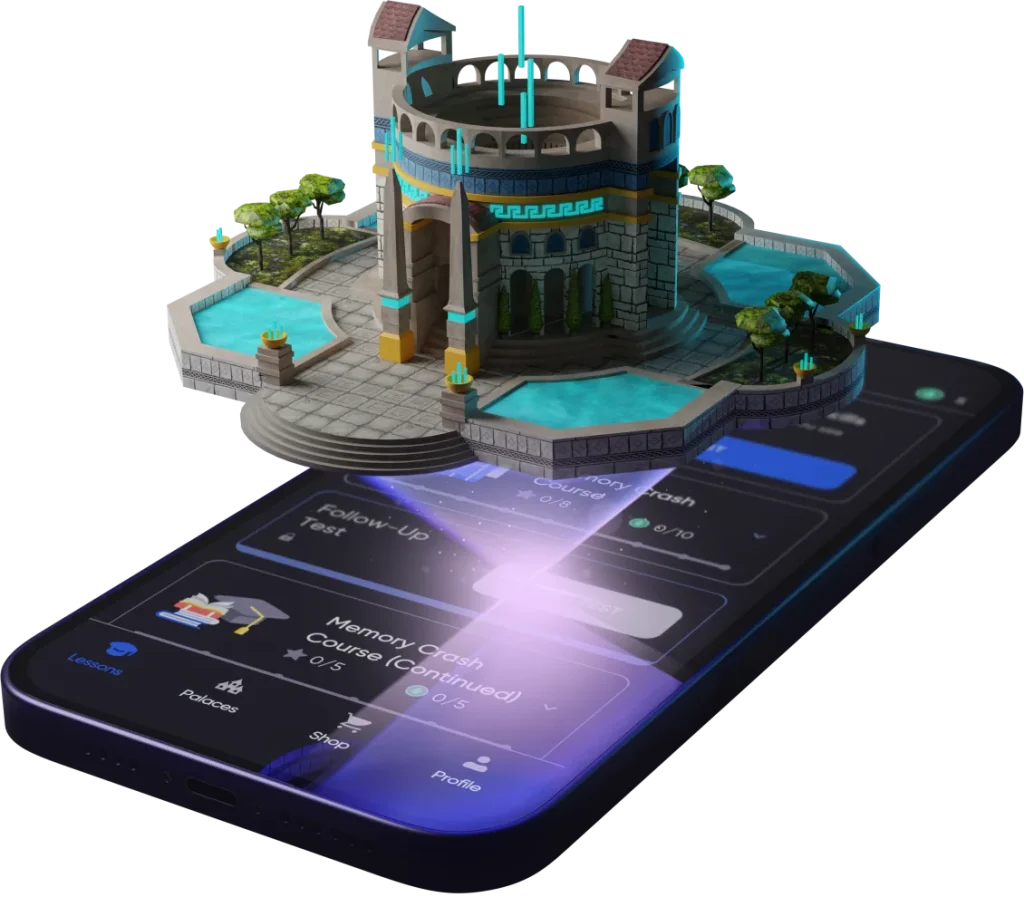
Moreover, incorporating augmented reality (AR) into Memory Palaces presents a groundbreaking approach to learning. Imagine transforming your own living room into a vibrant, interactive landscape of information. AR technology can overlay digital cues on real-world objects, guiding individuals through their personalized Memory Palace in a tangible way. This method is particularly promising for students in disciplines that require extensive memorization, such as medical or law students. One AR app in development allows users to visualize complex anatomical structures or legal principles within a 3D space, making the information far easier to grasp and remember.
Community Engagement Through Social Learning Platforms
The advent of social media and collaborative learning platforms has also opened new avenues for enhancing memory recall through Memory Palaces. Platforms like Quizlet not only allow users to create and share their Memory Palaces but also foster community engagement. Users can participate in collaborative exercises, where they challenge each other to recall items or details from their Memory Palaces, creating an enriching social experience. This peer interaction can lead to varied mnemonic strategies, as individuals share unique methods of embedding information into their Memory Palaces.
Educational institutions are increasingly recognizing the power of gamification in memory retention. Teachers are beginning to integrate these techniques into the curriculum, promoting Memory Palaces as part of active learning methodologies. For instance, a history teacher might have students map out significant events in a Memory Palace that resembles their school, thereby anchoring abstract timelines to familiar settings. This not only enhances recall but also ignites a sense of ownership and creativity in students’ learning journeys.
As our understanding of cognitive psychology deepens, the ongoing synergy between Memory Palaces and gamified techniques will likely lead to further innovations. Whether in education, personal development, or professional training, the future promises to redefine the parameters of memory enhancement. The landscape is shifting towards an engaging, interactive, and effective methodology that meets technological advancements with proven mnemonic principles, ultimately reshaping how we perceive and utilize memory in our daily lives.
DIVE DEEPER: Click here to uncover more insights
Conclusion: The Evolution of Memory Strategies in a Digital Age
In conclusion, the intersection of Memory Palaces and gamified techniques represents a transformative approach to enhancing recall, making these ancient mnemonic strategies relevant in today’s fast-paced, technology-driven world. As we have explored, the integration of innovative applications and augmented reality not only modernizes the concept of Memory Palaces but also democratizes learning, making it accessible and engaging for a diverse audience—from students to professionals. The gamification elements embedded in memory training apps like Memrise and Anki instill motivation through rewards and social engagement, significantly enhancing retention and recall.
Furthermore, the collaborative nature of platforms like Quizlet fosters a sense of community, allowing users to share and refine their memory strategies. This dynamism reflects the shift towards a more interactive and socially driven learning environment. Educational institutions are catching on to these trends, integrating gamified memory techniques into curricula that not only facilitate knowledge retention but also spark creativity and personal investment in the learning process.
As cognitive research continues to evolve, the future of memory enhancement will likely see even more groundbreaking innovations. Exploring the multifaceted applications of Memory Palaces in various contexts—be it academic, professional, or personal growth—will prove invaluable. As we embrace these advancements, the potential for improving cognitive skills through engaging, interactive methodologies becomes not just an aspiration, but a reality. The journey of memory, propelled by technology and creativity, invites us all to rediscover the power of our minds and the potential that lies within our memory palaces.