
The Role of Puzzles and Riddles in Leadership Development: Strategies for Management Skills Development
Understanding the Importance of Leadership Development
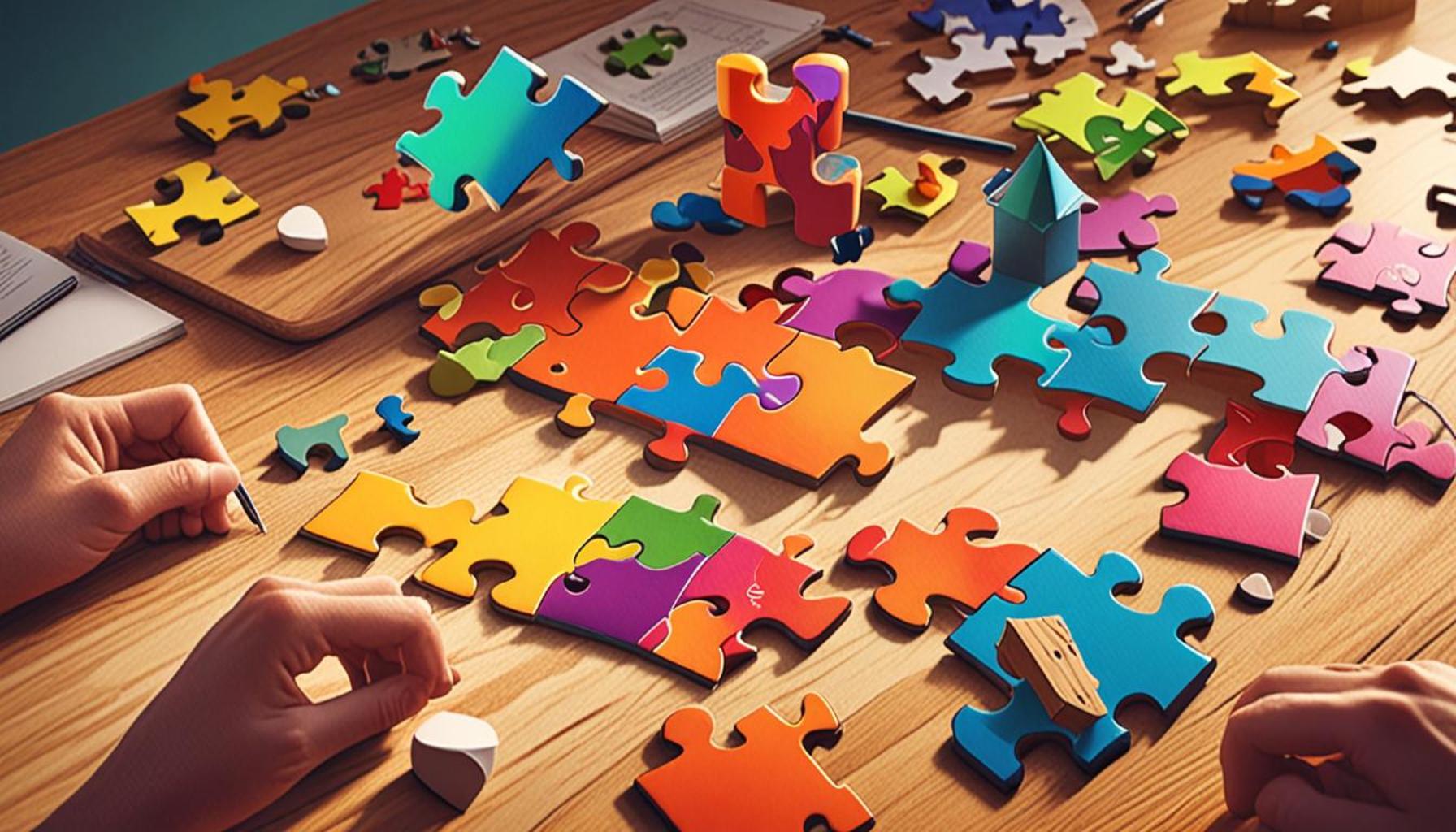
In an era characterized by rapid technological advancements and shifting market dynamics, the demand for capable and adaptable leaders has surged. Leadership development is not just a trend but a vital component for sustainable organizational success. Puzzles and riddles, often seen as mere entertainment, can serve as powerful tools to cultivate essential management skills that respond to the challenges of today’s business environment.
The Role of Puzzles and Riddles in Leadership Training
Engaging with puzzles and riddles is more than just a fun diversion; it serves as a structured way to develop a range of valuable skills. By requiring participants to analyze information, consider multiple perspectives, and devise creative solutions, these activities mirror the decisions managers need to make in real-world scenarios.
Enhanced Cognitive Skills
Puzzles, such as crosswords or logic puzzles, require participants to think critically and make informed decisions under constraints. For instance, a chess puzzle can simulate strategic planning and foresight. Leaders who regularly engage in activities that challenge their thinking processes may find themselves better equipped to handle complex problems, as studies suggest that these cognitive exercises enhance analytical capabilities. This analytical thinking is crucial when faced with high-stakes decisions, such as market expansions or budgeting constraints.
Team Building Through Collaboration
Moreover, many puzzles and riddles necessitate teamwork to solve. Activities like escape room challenges or team-based problem-solving tasks promote collaboration and enhance communication skills among team members. For example, when a team works together to solve a puzzle that requires each member to contribute their unique skills and insights, they build trust and camaraderie—a precursor to effective team dynamics in office settings.
Increasing Engagement and Motivation
Puzzles and riddles transform traditional training sessions into memorable experiences that captivate participants’ attention. The playful nature of these activities fosters a relaxed atmosphere where individuals feel more inclined to participate actively. Infusing training programs with gamified elements can significantly increase motivation, making the learning process not only informative but also enjoyable. At organizations like Google, such interactive methodologies are employed to maintain employee engagement and promote continuous learning.

Implementing Puzzles and Riddles in Leadership Development
To successfully integrate puzzles and riddles into leadership development programs, organizations can adopt various strategies, such as organizing workshops that center around problem-solving games or incorporating them into team-building retreats. These initiatives can not only enhance the skill sets of current leaders but also prepare emerging leaders by instilling a culture of innovation and critical thinking.
Ultimately, puzzles and riddles are not just trivial pursuits; they are invaluable tools to equip leaders with the essential skills needed to navigate the complexities of today’s marketplace. By embracing these creative approaches, organizations can foster a new generation of leaders ready to tackle future challenges with confidence and ingenuity.
DISCOVER MORE: Click here to delve deeper
Unlocking Creativity and Problem-Solving Skills
As organizations continue to face multifaceted challenges, cultivating creativity and robust problem-solving abilities among leaders becomes imperative. Puzzles and riddles not only stimulate the mind but also encourage inventive thinking—skills that are critical in today’s fast-paced business landscape. Engaging with complex puzzles like Sudoku or brain teasers requires individuals to navigate uncertainty and devise solutions with limited resources. Such experiences can significantly enhance one’s capability to tackle unexpected issues in the workplace.
Fostering Innovative Thinking
The brain’s response to puzzles can be likened to exercising a muscle; the more it is challenged, the stronger it becomes. Moreover, leaders who partake in solving challenging puzzles tend to adopt a mindset geared towards innovation. An intriguing study conducted at the University of Illinois found that individuals who engaged in creative problem-solving exercises displayed an increase in divergent thinking—an essential component of innovative leadership. This capability allows leaders to approach problems from various angles, hoping to uncover unique solutions that stand out in competitive markets.
Encouraging Analytical Reasoning
Puzzles that require step-by-step reasoning, such as logic puzzles or mystery-solving games, offer superb opportunities for developing analytical skills. Leaders are often called upon to dissect problems, discern patterns, and make decisions based on complex data. Engaging with puzzles cultivates an ability to analyze situations critically, enhancing decision-making abilities. For instance, a corporate leader who routinely engages with analytical puzzles may be more adept at interpreting market analytics or financial reports, allowing for informed strategic decisions.
Bridging the Generation Gap in Leadership
In today’s diverse workforce, leaders often find themselves managing teams composed of different generations, each with unique perspectives and communication styles. Puzzles and riddles can serve as a common ground for fostering intergenerational collaboration. Team-building activities centered around these brainteasers can bridge gaps by allowing members to problem-solve together, enhancing their ability to appreciate each other’s viewpoints and approaches. A survey conducted by the Pew Research Center indicated that organizations that encourage collaborative learning experiences see higher employee satisfaction rates across generational lines. This collaborative spirit can ultimately lead to improved workplace morale and productivity.
Benefits Summary
- Enhances creative and innovative thinking.
- Develops analytical reasoning and decision-making skills.
- Encourages collaboration across different generations.
- Fosters a culture of continuous learning and adaptability.
As we delve deeper into the role of puzzles and riddles in leadership development, it becomes evident that these engaging activities are not merely leisure pursuits but encompass significant potential for skill enhancement. By embedding creative problem-solving exercises into training initiatives, organizations empower emerging and seasoned leaders alike, ensuring they are well-equipped to navigate the complexities of modern business challenges.
Enhancing leadership capabilities involves embracing innovative strategies, and puzzles and riddles serve as powerful tools for this task. By integrating these brain teasers into leadership development programs, organizations can foster critical thinking, problem-solving, and creativity among their management teams.The inherent challenge of puzzles and riddles lies in their ability to stimulate cognitive functions. Participants not only engage in analytical thinking but also learn to approach complex situations from different angles. This flexibility is crucial in leadership roles where decision-making requires both a comprehensive understanding of the problem and the ability to adapt to new information and circumstances.Moreover, incorporating puzzles into team-building activities can significantly improve collaboration and communication among team members. As leaders work together to solve challenges, they learn to leverage each other’s strengths, which in turn promotes a culture of support and shared responsibility. This collaborative approach is essential for modern organizations as they navigate the intricacies of today’s dynamic workplace.Furthermore, the enjoyment derived from solving puzzles boosts morale and enhances motivation. Engaging in fun methodologies can transform the perception of training programs from mundane to exciting, encouraging greater participation and enthusiasm among employees. This transformation is key to developing resilient leaders who are not only capable of overcoming obstacles but also inspiring their teams to thrive in challenging environments.To optimize the benefits of integrating puzzles and riddles in leadership development, organizations should ensure that these activities are tailored to the specific skills they wish to develop, such as strategic planning, negotiation, and conflict resolution. By aligning puzzle-solving exercises with managerial competencies, companies can create a comprehensive framework for developing adept leaders equipped to guide their teams effectively.In conclusion, the strategic use of puzzles and riddles nurtures essential skills in future leaders, creating a positive impact on organizational growth. With a focus on creativity, collaboration, and critical thinking, organizations can harness the power of playful problem-solving to cultivate the visionary leaders of tomorrow.
DIVE DEEPER: Click here to explore the evolution of logical puzzles
Enhancing Emotional Intelligence through Engaging Activities
Alongside cognitive abilities, emotional intelligence (EI) is a cornerstone of effective leadership. The ability to understand and manage one’s own emotions and empathize with others is crucial for fostering strong working relationships. Puzzles and riddles can act as unique tools in enhancing emotional intelligence by providing environments where leaders can practice empathy, patience, and communication skills. Engaging in group puzzle-solving not only encourages interaction but also promotes the recognition of emotional cues and social dynamics among team members.
Developing Team Cohesion
Working on a challenging puzzle is often akin to assembling a team; each piece or individual brings a different skill set and perspective to the table. In various corporate settings, team-building exercises that involve collaborative puzzles have proven effective in strengthening team cohesion. According to a report by the Society for Human Resource Management (SHRM), organizations that actively foster engagement through hands-on activities report a 24% higher employee engagement rate. Leaders can leverage this understanding by incorporating riddles and activities that require collective input, ensuring each member’s strengths are utilized.
Encouraging Strategic Thinking
Puzzles and riddles also nurture strategic thinking capabilities, essential for leaders to efficiently navigate the complexities of organizational challenges. Games that require tactical planning, such as chess puzzles or escape room scenarios, encourage participants to think several steps ahead. This kind of foresight is vital when it comes to resource allocation, risk management, and long-term planning. Leaders who engage regularly in strategic puzzles are likely to develop a more profound understanding of future implications, enabling them to formulate better-informed strategies that resonate with the organizational vision.
Gauging Progress and Reflection
Moreover, solving puzzles offers an opportunity for self-assessment and reflection—crucial components in personal and professional growth. Leaders who integrate puzzles into their skill development can periodically evaluate their performance and gain insights into areas needing improvement. For instance, maintaining a “puzzle journal” not only tracks completed challenges but also reflections on emotional responses and group dynamics during team activities. This practice encourages leaders to confront their weaknesses while celebrating their successes, fostering a growth-oriented mindset.
Fostering Adaptability and Resilience
The ever-evolving landscape of business demands leaders who are adaptable and resilient. Engaging with unpredictable puzzles or riddles teaches leaders to remain open to change and embrace failure as a learning opportunity. The process of trial and error faced during puzzle-solving mirrors the real-world challenges leaders encounter. A survey from the American Management Association noted that flexibility and resilience are two key traits successful leaders possess. By exposing themselves to varied brainteasers, leaders can learn to pivot their approach when faced with unwarranted challenges.
Benefits Summary
- Enhances emotional intelligence and empathetic skills.
- Strengthens team cohesion through collaborative problem-solving.
- Encourages strategic thinking and long-term planning.
- Promotes self-assessment and continuous personal growth.
- Fosters adaptability and resilience in dynamic environments.
With the incorporation of puzzles and riddles into leadership training programs, organizations can harness a range of benefits that extend beyond mere entertainment. By prioritizing the development of essential management skills through engaging activities, companies are setting the stage for strategic, innovative, and emotionally intelligent leaders who can successfully navigate the complexities of modern business. Each riddle solved and puzzle completed adds a new facet to their leadership style, equipping them with the tools needed for effective management in an ever-changing landscape.
DISCOVER MORE: Click here to enhance your memory skills
Conclusion
In an era where the challenges of leadership are continually evolving, puzzles and riddles emerge as invaluable tools for management skills development. These engaging activities not only stimulate cognitive function but also enhance emotional intelligence, promote team cohesion, and encourage strategic thinking. By incorporating brainteasers into their training regimens, organizations can cultivate leaders who exhibit adaptive resilience and are equipped to confront modern business complexities with confidence.
As leaders engage in collaborative problem-solving through puzzles, they develop a deeper understanding of interpersonal dynamics and improve their ability to communicate and empathize with their teams. Such interactions foster a shared sense of purpose and community that is essential in today’s diverse workplace. Moreover, these exercises allow leaders to reflect on their experiences, enabling them to assess their growth and adapt their strategies accordingly.
The agility that results from regularly tackling intellectual challenges positions leaders to foresee potential hurdles and craft well-informed solutions. Organizations that prioritize puzzle-solving and riddle engagement in leadership development create environments where innovation thrives and strategic foresight becomes the norm.
Ultimately, by recognizing the multifaceted benefits of puzzles and riddles, corporate leaders and training programs can inspire a culture of continuous learning and growth. As businesses navigate the dynamic landscape of the future, those who embrace these strategies will be well-prepared to lead effectively and innovatively.