The Connection between Strategy Games and the Development of Creativity in Conflict Resolution
The Intersection of Strategy Games and Conflict Resolution Skills
In an era where conflicts permeate various aspects of our lives—from strained familial ties to heated workplace disagreements and even geopolitical tensions—the need for innovative conflict resolution strategies has become paramount. This is where strategy games can play an instrumental role, providing a dynamic platform for developing skills that are crucial for effective problem-solving and negotiation.
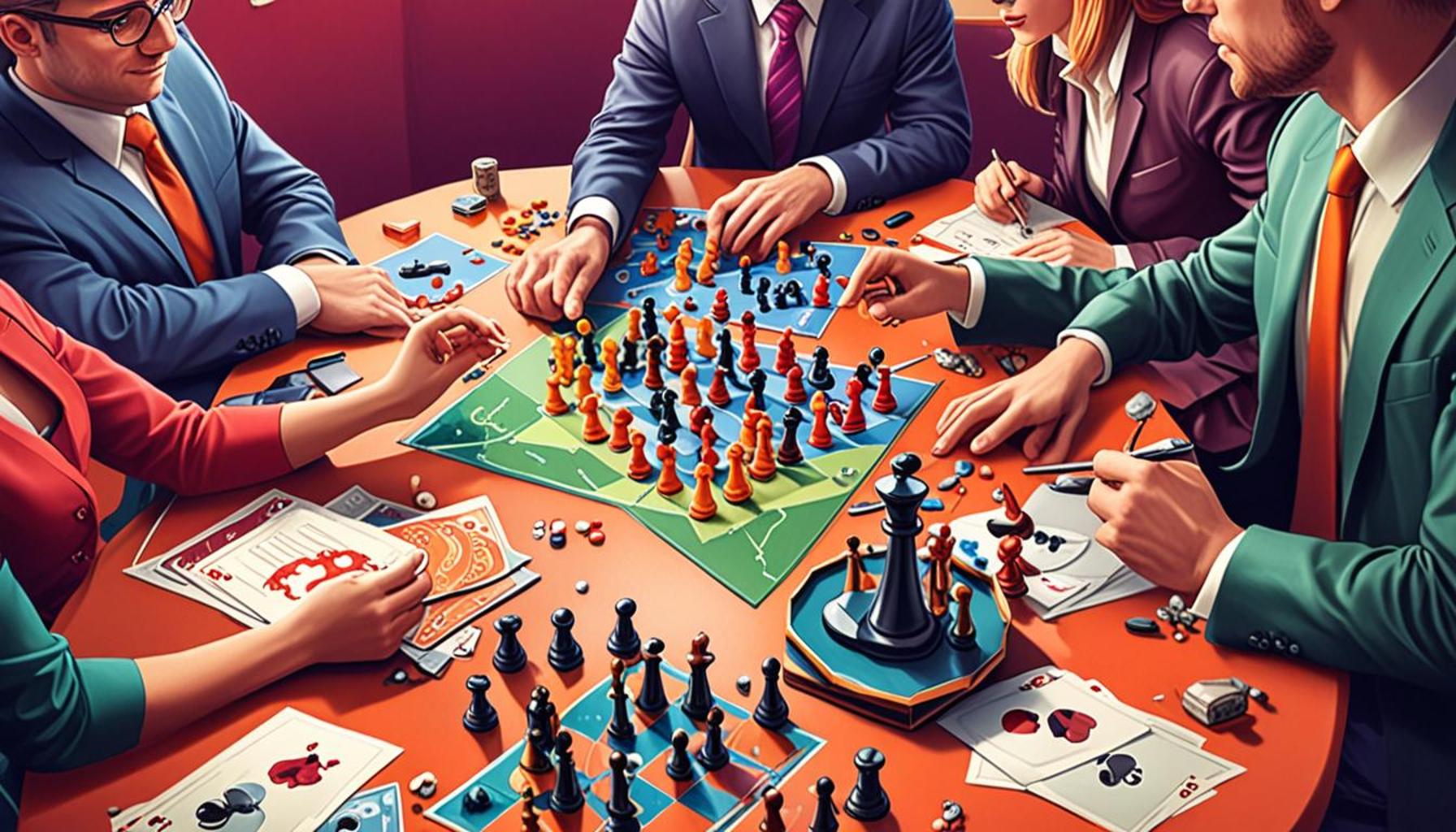
Strategy games, whether they be classic board games like chess, immersive video games like “Civilization,” or cooperative games like “Pandemic,” challenge players to think critically in high-pressure environments. The complex scenarios presented in these games often mirror the intricacies of real-life disputes, allowing players to test creative solutions in a low-stakes setting. For instance, while playing chess, a player might have to sacrifice a piece to gain a strategic advantage later, much like compromising in a negotiation can lead to favorable outcomes down the road.
Some notable benefits of engaging in strategy games include:
- Enhanced problem-solving skills: Players frequently encounter unexpected challenges, prompting them to devise solutions with limited resources. A player might face an opponent who adopts an aggressive style; thus, they must adapt quickly to counter that trend.
- Creative thinking: Many strategic scenarios demand unconventional thinking. For example, in games like “Magic: The Gathering,” players craft unique strategies by combining different cards, encouraging them to think outside the box.
- Team collaboration: Cooperative games require teamwork, honing players’ communication skills. Games such as “Overcooked” require players to coordinate actions and share responsibilities, reinforcing the importance of collaboration in conflict resolution.
Insights from psychology further illuminate the connection between gaming and conflict resolution. When players engage in strategy games, they unwittingly develop key cognitive processes:
- A deeper understanding of perspectives: By engaging with various strategies of opponents, players sharpen their empathy skills, an essential component in resolving disputes effectively. For instance, understanding an opponent’s tactics can lead to more informed decisions in negotiations.
- Adaptability: Strategy games require players to modify their plans in response to changing circumstances, a crucial skill in navigating real-life conflicts where situations often shift unexpectedly.
- Long-term thinking: Effective negotiation often relies on foresight. In games, players develop strategies that extend beyond immediate victories, allowing them to think several steps ahead.
The implications of these skills are significant for personal growth and societal advancement. As individuals become adept at navigating conflicts through the lens of strategy games, they cultivate not only their capacity for innovation in problem-solving but also promote a culture of collaboration and empathy. In a world rife with discord, harnessing the lessons learned from strategy games can lead to more harmonious interactions, both personally and professionally.
DIVE DEEPER: Click here to learn more about the evolution of logical puzzles
Unlocking Creative Potential through Strategic Play
Among the myriad of benefits that strategy games offer, one of the most compelling is their ability to foster creativity in conflict resolution. As players navigate through intricate scenarios filled with competing interests and unforeseen obstacles, they are not merely participants in a game; they become custodians of their own innovative thinking. Research suggests that these strategic engagements stimulate cognitive processes essential for tackling real-world conflicts, encouraging players to experiment with innovative solutions under pressure.
One of the significant ways strategy games cultivate creativity is through the development of scenario-based thinking. Players are often thrust into high-stakes situations where they must analyze various outcomes based on their choices. For example, in the game “StarCraft,” players must continuously adapt their strategies, responding to their opponent’s moves while managing limited resources. This element of unpredictability encourages a mindset where players can envision multiple pathways to success—an invaluable skill in any negotiation or resolution process.
Additionally, the variety of challenges faced in strategy games promotes thinking outside traditional paradigms. Players frequently encounter opponents that utilize unexpected tactics, requiring them to devise novel approaches to gain the upper hand. This need for unconventional problem-solving echoes the dynamics of resolving conflicts in everyday life, where established methods may fall short. One study by the American Psychological Association underscores that engaging in strategy game play can enhance divergent thinking, a form of creativity characterized by generating a multitude of possible solutions to a problem.
Moreover, the interplay among players also contributes to the cultivation of vital conflict resolution skills. Many strategy games are built around competitive or cooperative frameworks that require clear communication and effective collaboration. Through games like “Catan” or “Risk,” players learn to negotiate and manage relationships while pursuing their objectives, inherently refining their interpersonal skills. The challenges inherent in strategizing alongside or against others create a fertile ground for practicing empathy and understanding differing viewpoints, critical components in any conflict resolution scenario.
The benefits of creativity nurtured by strategy games extend well beyond mere entertainment. For individuals invested in personal development—or organizations seeking to enhance team dynamics—these games can be transformative tools. Participants can not only sharpen their ability to innovate but can also foster a collaborative spirit that transcends the gaming table. As the lines between strategy games and real-life problem-solving continue to blur, it becomes increasingly evident that harnessing these playful experiences offers not just a fun diversion but a pathway to enhanced creativity in conflict resolution.
In summary, strategy games provide a dynamic environment rich with opportunities for players to develop creative solutions to conflicts. Through scenario-based thinking, novel problem-solving, and nurturing interpersonal skills, individuals can emerge better equipped to navigate the complexities of conflict in their daily lives.
| Category | Details |
|---|---|
| Enhanced Problem-Solving Skills | Strategy games compel players to devise effective solutions under pressure, promoting flexible thinking. |
| Creative Conflict Resolution | Players learn to negotiate and collaborate with others, fostering creativity in resolving challenges. |
| Strategic Decision-Making | Every game scenario encourages evaluating multiple outcomes, leading to better choices in real-life conflict. |
| Emotional Intelligence | Players must understand their opponents’ motivations, enriching their ability to manage interpersonal dynamics. |
Engaging in strategy games not only entertains but also cultivates essential skills in handling conflicts creatively. By challenging players to think critically and strategically, these games become invaluable tools for personal and interpersonal development. The lessons learned in a game can translate to real life, offering innovative approaches to conflict resolution and enhancing a player’s ability to navigate complex social situations.
DIVE DEEPER: Click here to discover the evolution of puzzle types
Navigating Complexity: The Role of Strategic Thinking
As players immerse themselves in the world of strategy games, they inevitably encounter intricate decision-making processes that mirror the complexities of real-life conflicts. This level of immersion fosters the development of strategic thinking, a vital skill that allows individuals to view problems from multiple angles, weigh potential consequences, and prioritize actions based on both immediate and long-term goals. Take, for example, the board game “Twilight Struggle,” which simulates the geopolitical tension of the Cold War. Here, players must not only plan their moves carefully but also anticipate their opponent’s strategy, reinforcing the importance of foresight and adaptability—key components of effective conflict resolution.
Moreover, the unpredictability inherent in most strategy games necessitates a degree of mental agility. Players must stay alert and ready to pivot their strategies in response to their opponents’ decisions or unforeseen scenarios. This process enhances cognitive flexibility, which has been linked to greater creativity in problem-solving. According to a study published in the journal “Thinking Skills and Creativity,” engaging in activities that demand real-time adaptability can lead to improved innovation in everyday decision-making contexts, including conflict resolution.
In addition to strategic thinking, strategy games encourage a form of reflective learning. Players often analyze their past games to identify mistakes, assess what strategies worked, and refine their approaches for future matches. This introspection cultivates a growth mindset, a concept championed by psychologist Carol Dweck, who posits that viewing challenges as opportunities for improvement enhances overall creative capabilities. For instance, games like “Civilization” allow players to build and expand empires over multiple sessions, providing ample opportunity for reflection and adjustment to maximize both strategic and creative outcomes.
Systems Thinking and Resource Management
Another layer to the connection between strategy games and creativity in conflict resolution lies in the development of systems thinking. Effective players must comprehend the multitude of interconnected elements within the game environment, from resource allocation to opposition tactics. This systems-oriented perspective not only augments players’ ability to assess complex situations but also enables them to find innovative solutions that may not be immediately apparent. In real-life negotiations, understanding these interconnected relationships can lead to creative solutions that satisfy multiple parties’ interests.
Furthermore, games like “Age of Empires” require players to balance military ambitions with resource management and development, reinforcing the idea that resourcefulness is a critical element in conflict resolution. When faced with competition for limited resources—be it in a game or reality—players learn to prioritize and devise creative strategies for acquiring or maximizing those resources. This experience directly translates to real-world scenarios, such as business negotiations or interpersonal conflicts, where individuals must navigate competing priorities and find mutually agreeable solutions.
Finally, the emotional and psychological aspects of playing strategy games can enhance creativity in conflict resolution. Players often experience a blend of triumph and frustration as they navigate wins and losses, teaching them emotional resilience and the ability to remain composed under pressure. This emotional training shapes a player’s capacity to approach conflicts with a balance of assertiveness and creativity, ultimately leading to an increased likelihood of successful resolution.
The breadth of skills developed through strategic gameplay ultimately empowers players with the tools to address conflicts creatively and effectively. With every game played, the potential for innovative thinking in conflict resolution expands, inviting players to carry their newly honed skills into real-world situations where collaboration and creativity are paramount.
DIVE DEEPER: Click here to discover more about puzzle types
Conclusion: Unlocking Creative Potential through Strategy Games
The relationship between strategy games and the enhancement of creativity in conflict resolution is both compelling and instructive. As explored throughout this article, engaging in these games promotes strategic thinking, reflective learning, and systems thinking, all of which are crucial for navigating complex interpersonal dynamics and negotiations. Players develop the ability to view challenges from multiple perspectives, allowing them to anticipate potential obstacles while simultaneously crafting innovative solutions.
Moreover, the emotional resilience gained from experiencing both victories and defeats within these game scenarios imparts valuable lessons in managing stress and maintaining composure during real-life conflicts. This emotional training enhances one’s ability to respond effectively under pressure, thus fostering an environment where creativity can flourish. The skills cultivated through strategy gaming do not just remain confined to the virtual realm but instead translate seamlessly into practical applications, including business negotiations, diplomatic discussions, and personal relationships.
As more individuals and educators recognize the potential of strategy games as tools for developing cognitive and emotional skills, it becomes increasingly clear that these games can serve as powerful platforms for nurturing creativity in conflict resolution. Whether through collaborative gameplay or competitive scenarios, the ability to think strategically, adapt to evolving circumstances, and reflect on experiences stands to benefit future generations. Engaging with strategy games may very well hold the key to unlocking a new era of innovative thinkers who are capable of resolving conflicts with creativity and grace.