
Risk Mitigation Strategies in Board Games: Applications in Real Life
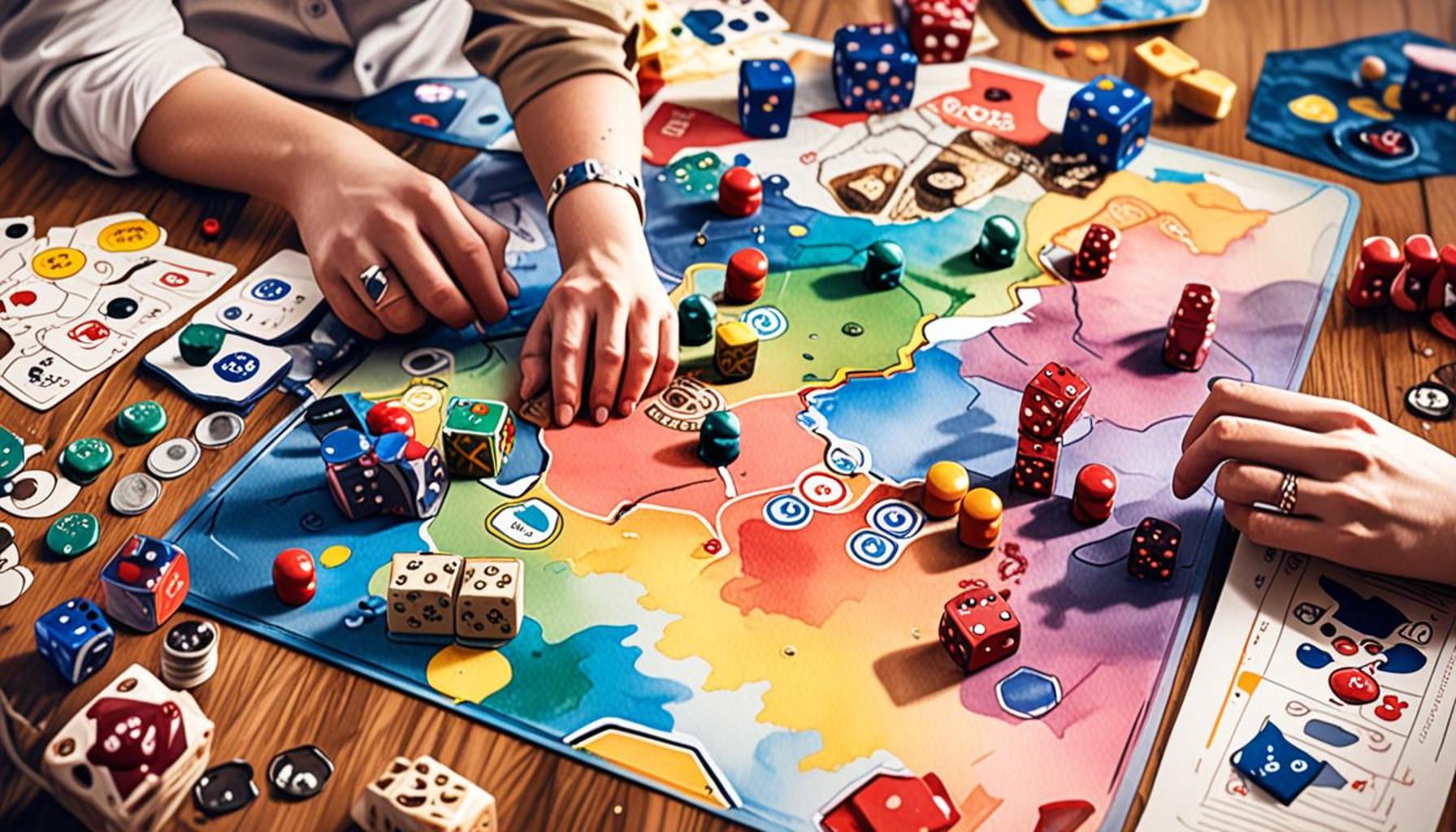
The Role of Board Games in Risk Management
Board games have transformed from simple entertainment into powerful educational tools that impart essential skills such as risk mitigation strategies. Games like chess and Settlers of Catan are not only about winning or losing; they require players to engage in complex decision-making processes that mirror real-life challenges. The mechanics of these games allow participants to explore various outcomes based on their choices, thereby enhancing their understanding of risk.
One of the critical features of risk management in board games is resource allocation. For example, in Settlers of Catan, players must decide how to trade resources—like wood and brick—to build roads or settlements, which can significantly impact their chances of winning. The need for careful distribution of limited resources is a direct analogy to real-world scenarios, such as budgeting and project management, where the efficient use of financial or human resources can lead to greater success.
Another vital aspect is probability assessment. Many board games, particularly dice-based games, require players to understand and calculate odds to make informed decisions. Take Monopoly, for example; players must weigh the likelihood of landing on properties and consider the risks associated with investing in hotels versus saving money for potential costs, like rent or taxes. This practice of estimating probabilities can be applied to stock market investments or insurance premium calculations, emphasizing the importance of evaluating risks in everyday finances.
Moreover, adaptation is crucial in both gaming and real life. Players often encounter unexpected events; for instance, a player’s strategy may need adjustment if an opponent suddenly gains an advantage or if the game dynamics shift. This mirrors real situations, such as changing market conditions or new regulations that call for quick strategic pivots in business. The ability to remain flexible and responsive is an invaluable skill in any competitive environment.
The principles gleaned from board games extend beyond leisurely nights with friends and family. In the business world, executives often employ similar risk assessment techniques to navigate market fluctuations and uncertainties. The combination of statistical analysis and strategic foresight, honed through board gameplay, can be beneficial not just for businesses but also for individual financial health. By applying these techniques, consumers can enhance their decision-making in personal finance, leading to wiser investments and better savings plans.
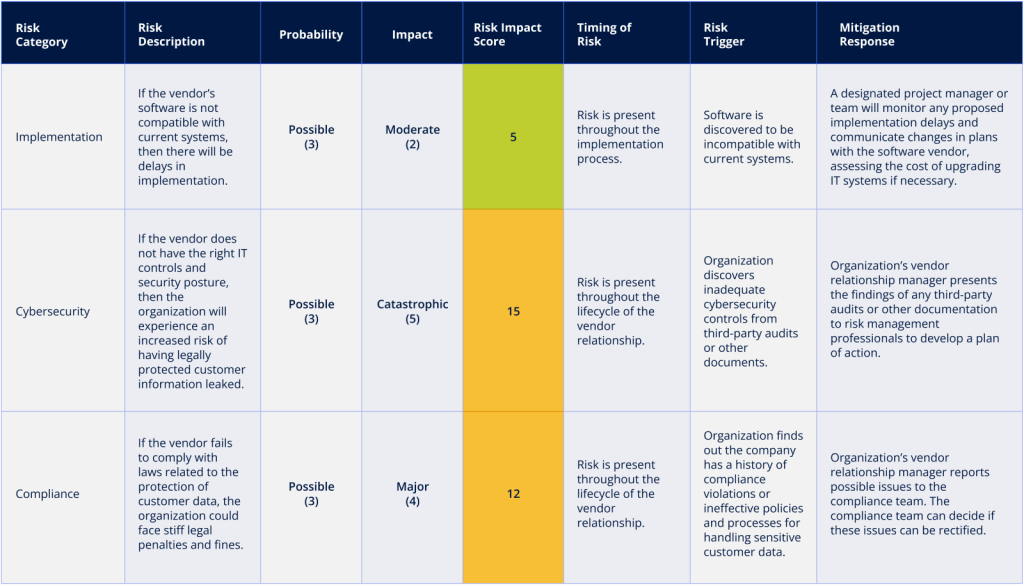
As we dissect the engaging interplay between gaming and practical life skills, it becomes evident that the lessons learned at the game table can significantly influence our daily decisions. By reflecting on familiar gameplay tactics, we foster a deeper appreciation of their implications beyond mere fun. Ultimately, exploring this intersection equips individuals with a proactive mindset, enhancing their preparedness for life’s unpredictable twists and turns.
DIVE DEEPER: Click here to discover the psychology behind strategy games
Understand and Analyze Risks through Gameplay
To appreciate the risk mitigation strategies found within board games, one must first delve into the underlying principles that govern their play. These games serve as thought laboratories where players can experiment with decision-making frameworks without the real-world consequences that often accompany such choices. The ability to confront and assess risk is not just a game mechanic; it is a fundamental skill that can translate effectively into everyday life scenarios.
One of the most fascinating elements to consider is strategic planning. In games like Risk or Ticket to Ride, players must evaluate the potential outcomes of their moves far into the future. For instance, in Risk, players outline long-term goals to conquer territories while also considering the strengths and weaknesses of opponents. By plotting several moves ahead, players learn to anticipate reactions, identify viable paths to victory, and gauge the risk associated with their strategies. This skill can easily be applied in various real-life contexts, whether in corporate strategy meetings or during personal financial planning.
Furthermore, board games often emphasize the significance of team dynamics. Cooperative games like Pandemic challenge players to work together, sharing information and resources to achieve a common goal while grappling with limited time and increasing threats. Skills developed in these scenarios are invaluable in professional environments where teamwork and collaboration are critical. In the workplace, the ability to communicate effectively, adapt strategies, and encourage cooperative problem-solving can drastically enhance project success rates and mitigate risks associated with miscommunication or division of effort.
Additionally, understanding opportunity costs is integral to informed decision-making in both games and real life. Players must prioritize actions based on the potential benefits and trade-offs involved. For example, in the game Carcassonne, players must decide whether to build roads, cities, or fields, each providing different scoring opportunities. This prioritization directly parallels decision-making in business, whereby leaders might need to choose between investing in different projects or allocating resources to various departments. Recognizing opportunity costs helps individuals evaluate potential returns and identify the most effective methods for achieving their goals.
- Strategic planning: Anticipating future moves and consequences.
- Team dynamics: Collaboration and communication under pressure.
- Opportunity costs: Evaluating trade-offs in decision-making.
Ultimately, the lessons derived from the strategies employed in board games provide a relevant backdrop to the complex decision-making required in real life. Players learn to navigate uncertainty, embrace collaboration, and make calculated choices that help reduce risks, a critical capability across various aspects of society. As we continue to explore how these gaming principles can shape our understanding of risk mitigation, we unlock a valuable resource for improving not only our personal lives but also our professional endeavors.
| Strategy | Real-Life Application |
|---|---|
| Diversification | In games, players often diversify resources to mitigate risk; similarly, investors spread assets to safeguard against market fluctuations. |
| Contingency Planning | Board games encourage players to plan for unexpected events, mirroring how businesses develop contingency plans to manage disruptions or crises. |
Incorporating concepts such as diversification and contingency planning emphasizes the transferability of board game strategies to real-world scenarios. The principle of diversification mitigates potential losses, as players or investors who spread their risks across various assets or strategies can shield themselves from significant downfalls. On the other hand, contingency planning in board games trains players to prepare for unpredictable changes or challenges, a skill that proves invaluable in various organizational contexts where market conditions can rapidly shift. By effectively using these strategies, individuals can reinforce their problem-solving capabilities, helping them navigate a range of life circumstances, from financial investments to career shifts. This expanding exploration of risk mitigation via both gameplay and practical application highlights the enduring relevance of risk management in everyday decisions, urging readers to consider how strategic thinking from the game table can influence their real-life choices.
DISCOVER MORE: Click here to enhance your memory skills
Embrace Adaptability to Tackle Unforeseen Events
Another fundamental lesson derived from board games is the ability to adapt strategies in response to changing circumstances. In many games, especially those that involve chance or player interaction, situations can shift dramatically, forcing players to reassess their strategies in real-time. Take the classic game Monopoly as an example. Players must adapt to the unpredictable nature of the dice rolls, property acquisition, and opponents’ decisions. The risk of bankruptcy looms throughout the game, requiring players to pivot their strategies, either by trading properties or adjusting their spending. This concept of adaptability mirrors real-life scenarios such as market fluctuations, changes in consumer behavior, or unexpected economic downturns.
In the professional world, being adaptable means recognizing when to pivot business strategies, modify resource allocations, or explore alternative markets. For instance, a tech company may need to shift focus from traditional software solutions to cloud-based offerings in response to evolving customer demands. The lessons learned in board games help enhance this agility, allowing decision-makers to act quickly and effectively amid uncertainties and threats.
Evaluating Situational Awareness
Board games also promote the importance of situational awareness. Players must stay alert to the developments on the game board, assessing their own positions while monitoring rivals’ strategies. In games like Chess, awareness of the opponents’ potential moves becomes paramount, dictating a player’s choices to mitigate risk and avoid setbacks. This keen sense of observation can profoundly impact performance in real-life situations, such as crisis management or competitive business environments.
In a corporate setting, situational awareness translates to understanding market dynamics and recognizing potential risks before they escalate into crises. A company operating in a volatile industry—such as oil, technology, or finance—must rigorously analyze external factors such as regulatory changes, geopolitical tensions, or emerging trends. The game-based approach encourages leaders to foster an organizational culture of vigilance, where team members share insights and anticipate shifts in their operational landscape, giving them an edge over competitors.
Incorporating Probability into Decision-Making
Lastly, board games often introduce players to the concept of probability and its implications for risk management. Games like Catan hinge on resource allocation, with trading, building, and strategizing all shaped by the probabilistic outcomes of dice rolls and card draws. Players learn to weigh the odds when making decisions—whether to invest in a risky venture or to play conservatively for steady returns. Understanding probability assists in navigating real-life situations like investment opportunities, where assessing risks against potential returns is vital.
For example, an investor weighing the options of putting funds into a startup versus a well-established company must evaluate the probabilities of success, market performance, and financial health. The frameworks utilized in board games to assess risk through probability can guide investors in making informed choices that align with their risk tolerance.
- Adaptability: Flexibility to change strategies based on evolving circumstances.
- Situational awareness: The ability to recognize and assess developments affecting decisions.
- Probability assessment: Using chance to inform risk management decisions.
By harnessing these principles from board games, individuals enhance their capability to evaluate risks and develop robust strategies to mitigate them, ultimately translating gameplay lessons into effective real-world applications.
DISCOVER MORE: Click here to enhance your focus and creativity
Conclusion: Bridging Board Games and Real-Life Risk Management
In summary, exploring risk mitigation strategies through the lens of board games reveals invaluable insights applicable to real-life scenarios. The principles of flexibility, situational awareness, and probability assessment serve as crucial tools for navigating the complexities of modern decision-making. By adapting strategies as circumstances change—much like players in a high-stakes game—individuals and organizations can better respond to market shifts, economic downturns, and competitive pressures.
Moreover, the cultivation of situational awareness nurtures a proactive mindset, allowing businesses to anticipate risks before they escalate into significant challenges. This ability to stay one step ahead not only fosters organizational resilience but also enhances a company’s competitive advantage in dynamic industries.
Finally, understanding and integrating probability into decision-making processes empowers individuals and businesses to evaluate potential risks effectively, ensuring that every move, whether in investment or strategy, is rooted in informed analysis.
As we increasingly navigate a world rife with uncertainties, the strategies learned from board games can offer innovative pathways to enhance risk management in everyday life. Whether you’re a corporate leader, an investor, or simply looking to improve your decision-making skills, embracing these lessons can illuminate the path to more strategic risk-taking and informed actions. It’s clear that the board game table holds more than just fun—it offers a treasure trove of lessons that can inspire both personal and professional growth.