
Creating Functional Spaces: How Organization Can Transform Your Home into a Minimalist Retreat
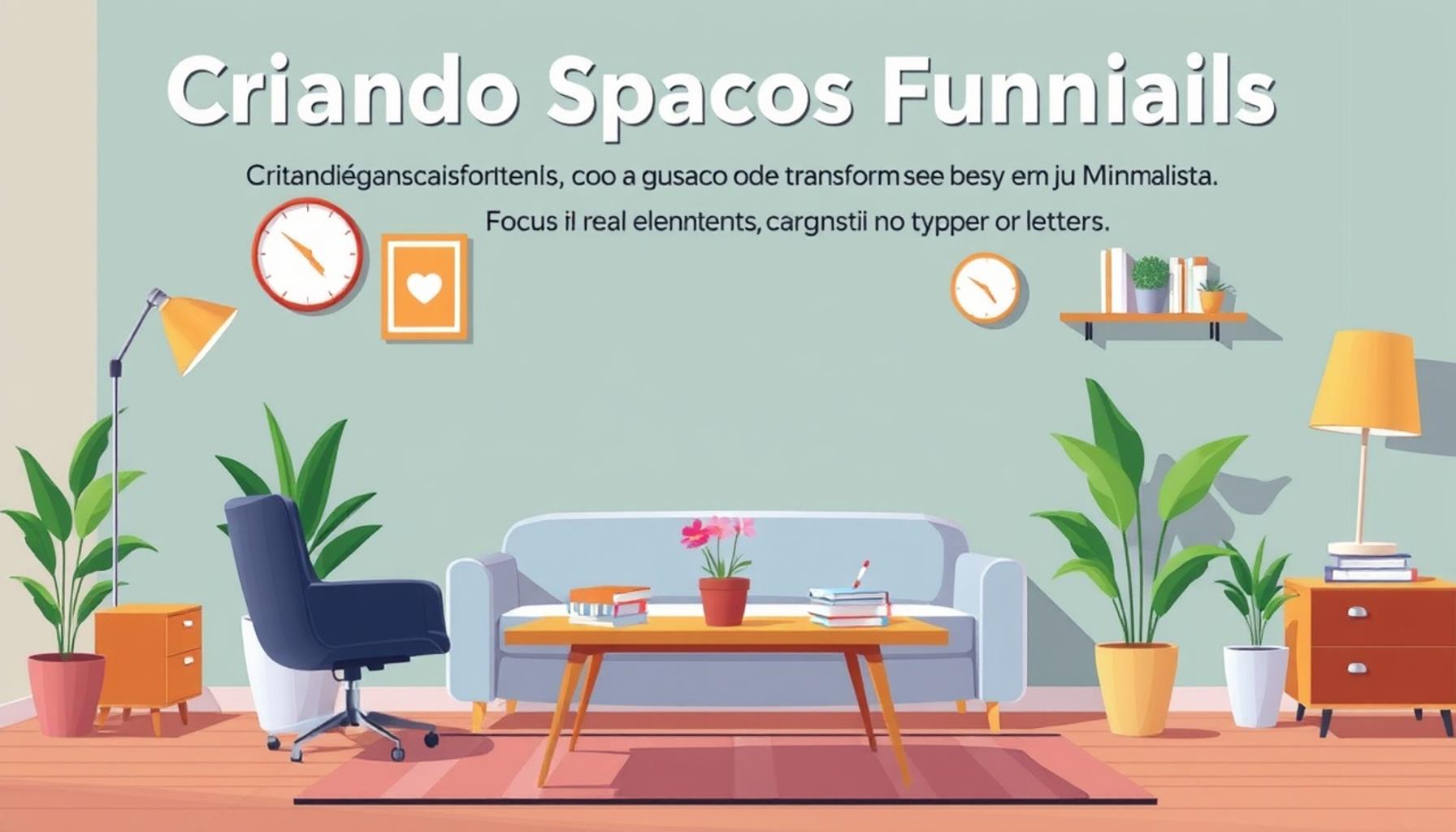
Create Your Tranquil Space
In today’s fast-paced world, the need for a serene living environment has never been greater. Designing a functional space can transform your home into a sanctuary of calmness and efficiency. With a few mindful organizational strategies, you can cultivate a minimalist retreat that promotes tranquility and clarity. Minimalism is not just a decorating style; it’s a lifestyle choice that encourages you to embrace simplicity, reduce the number of items you own, and focus on what truly matters.
Benefits of Minimalism
- Reduces Stress: A clutter-free space fosters a peaceful mindset. Research indicates that physical clutter can lead to increased levels of stress and anxiety, making it harder to focus and relax. When you declutter, you create an environment that promotes better mental health.
- Enhances Focus: Organized areas allow for improved concentration on daily tasks. Minimalism encourages fewer distractions, helping you to complete tasks more efficiently, whether you’re working from home or enjoying leisure activities.
- Increases Space: Simplifying your belongings liberates physical and mental room. By removing excess items, you not only free up valuable physical space but also create mental clarity, allowing you to think more freely and creatively.
Transitioning to a minimalist aesthetic doesn’t require extensive renovations. Simple actions can make a big impact, such as:
- Decluttering: Remove items that no longer serve a purpose. Go through your belongings regularly, asking yourself if each item adds value to your life. For instance, if you haven’t used that pasta maker in over a year, consider donating it to someone who might.
- Functional Furniture: Choose pieces that combine utility and style. Opt for furniture with multi-purpose functions, such as a coffee table that doubles as storage or a bed with built-in drawers. Such choices not only save space but also maintain aesthetic appeal.
- Defined Zones: Create specific areas for work, relaxation, and hobbies. Designating areas helps streamline activities and prevents blending of spaces that can contribute to chaos. For example, setting up a cozy reading nook can encourage you to unwind with a book rather than retreating to a cluttered living room.
By understanding how organization shapes your environment, you can create spaces that reflect your desired lifestyle. Minimalism isn’t about forcing yourself to own less; it’s about making informed choices that enhance your daily life. Join us as we explore actionable tips and inspiring ideas to help you achieve a beautifully organized minimalist home, encouraging you to explore local resources, workshops, and online communities focused on decluttering and minimalism. Embrace the journey towards a simpler, more fulfilling approach to living.
DISCOVER MORE: Click here to dive deeper
Embracing Intentional Living
Transitioning to a minimalist lifestyle involves a profound shift in how we perceive our belongings and living space. It encourages us to practice intentionality—making conscious decisions about the items we choose to keep in our homes. Every piece should serve a purpose or spark joy, allowing us to cultivate environments that are not only beautiful but also empowering. To achieve this, consider a few transformative strategies that can lead to a more structured and satisfying home experience.
Principles of Organization
Effective organization is at the heart of creating functional spaces. By applying specific principles, you can create a home that feels both inviting and purposeful. Here are some key strategies:
- Establish a Clear Vision: Before you begin to declutter, envision what you want your ideal space to look and feel like. This process will help clarify your goals and create a target to strive for. Take inspiration from minimalist design websites or social media platforms like Pinterest to visualize your desired retreat.
- Utilize Vertical Space: Maximizing vertical space is essential in small homes. Consider installing shelves or cabinets that draw the eye upward, freeing up floor space and decluttering surfaces. Wall-mounted units can transform barren walls into functional storage while showcasing decor.
- Incorporate Minimalist Decor: When selecting decor, less is always more. Focus on a few statement pieces that resonate with you, and opt for colors that evoke calmness, such as soft earth tones or cool hues. This minimalist approach leads to a balanced aesthetic that fosters a sense of relaxation.
Many people may think that minimalism requires sacrificing comfort or style, but this couldn’t be further from the truth. The beauty of minimalism lies in its versatility and adaptability to fit personal tastes and needs. Essential to this process is an ongoing commitment to maintain the organized space that you have created. This means routinely assessing your possessions and ensuring they align with your minimalist vision.
Additionally, adopting a mindset of quality over quantity can profoundly impact your living environment. Invest in versatile, durable items that may come with a higher initial price tag but promise longevity. As you curate your belongings with intentionality, you’ll discover that a smaller selection of high-quality items often leads to a greater appreciation and satisfaction in your surroundings.
Exploring various organizational methods can further refine your approach to minimalism. Techniques such as the KonMari Method—a system that encourages keeping only what sparks joy—or the “One In, One Out” rule—where you remove one item for each new item you introduce—can ensure that your space remains clutter-free and functional. With a thoughtful and strategic approach to organization, your home can transform into a minimalist retreat that reflects your values and priorities.
As we delve deeper into the concept of creating functional spaces, it’s essential to recognize how organization is not just a task but a transformative approach to living. When spaces are thoughtfully arranged, they don’t just look pleasing; they fundamentally change how we experience our home. Minimalism is not about having less but about making room for what truly matters. This philosophy allows individuals to redefine their relationship with possessions, leading to a more intentional lifestyle.
One of the primary aspects of achieving a minimalist retreat is the concept of zoning. By dividing spaces into specific areas based on function, homeowners can enhance both productivity and relaxation. For instance, creating a dedicated workspace in a quiet corner of the house can drastically improve focus, while having a comfortable reading nook encourages unwinding after a long day. Additionally, when each zone is clearly defined and organized, the flow of the home becomes seamless, allowing for better interaction and connection among family members.
The role of storage solutions cannot be overlooked. Built-in shelves, multi-functional furniture, and hidden compartments can greatly increase the efficiency of any room. These smart storage solutions help keep clutter at bay while simultaneously giving the illusion of more space. For example, a coffee table with storage can provide a stylish yet practical solution to maintain a tidy living area.
With advancements in organizational tools and products, homeowners are now presented with an array of options to customize their minimalist retreat. From modular shelving systems to elegant storage bins, the choices available cater to various aesthetic preferences and functionality needs. This accessibility makes the dream of a well-organized home attainable for everyone, encouraging them to take the leap toward minimalism.
Lastly, the psychological benefits of organization are significant. A clean and organized space can lead to reduced stress levels and enhanced creativity, fostering a healthier mental environment. When we can see our spaces clearly, we can engage more deeply with our activities and enjoy our home life to the fullest. As you continue your journey to transform your home, consider how organization can redefine your everyday experience—turning it into a personal retreat that resonates with peace and clarity.
| Category | Advantages |
|---|---|
| Zoning | Enhances functionality and flow of the home. |
| Smart Storage | Maximizes space and keeps clutter away. |
DISCOVER MORE: Click here to learn about minimalism and sustainability
Streamlining Your Space for Functionality
When it comes to creating a minimalist retreat, understanding the dynamics of space management is crucial. Each area of your home offers unique opportunities for maximizing both functionality and aesthetic appeal. By rethinking layouts and utilizing resources wisely, you can craft environments that work for you rather than against you.
Room by Room Transformation
To truly embody a minimalist lifestyle, focus on a room-by-room basis. This targeted approach allows for a more manageable process, and you can observe the impact more clearly. Here are some simple yet effective methods for transforming individual spaces:
- Living Room: Consider multifunctional furniture, such as ottomans with storage inside or coffee tables that can transform into workspaces. Declutter by embracing a media-free zone to promote tranquility—replace gadgets with books and natural elements like plants to create a serene atmosphere.
- Kitchen: A cluttered kitchen can significantly detract from your cooking experience. Organize utensils into designated zones and utilize clear containers for pantry staples to create an efficient cooking area. The 80/20 rule can apply here; focus on the 20% of items you use 80% of the time and ensure they are easily accessible.
- Bedroom: Create a sanctuary by reducing visual distractions. A minimalist approach in the bedroom can improve both sleep quality and relaxation. Use under-bed storage solutions to keep seasonal clothing or extra linens out of sight. Incorporating a calming color palette can further enhance this peaceful retreat.
Maintaining Functional Order
After achieving your desired organized state, the next challenge involves maintaining the functionality of these spaces. Developing routines and practices that emphasize sustainability in organization can prevent clutter from regaining its foothold.
Implement a weekly reset to assess each room for items that have accumulated throughout the week. This practice allows for immediate rectification of clutter and cultivates mindfulness about your possessions. Additionally, consider incorporating decorative storage solutions like decorative baskets or sleek shelving that maintain aesthetic appeal while functioning as storage.
Moreover, it’s important to foster habits that align with minimalism. For example, during shopping trips, practice the 30-day rule: if you’re contemplating a purchase, wait 30 days to determine its necessity. This pause offers perspective and curbs impulse-buying tendencies, ensuring that only those items that truly contribute to your minimalist retreat enter your home.
Embracing Technology in Organization
In our technology-driven age, utilizing apps designed for organization can further streamline your efforts. Tools such as Evernote for note-taking and inventory tracking, or Sortly for organizing household items, can revolutionize how you maintain order. Technology can simplify processes, helping you stay focused on your goals while seamlessly integrating new organizational systems into your daily life.
Incorporating these strategies can significantly transform your home into a functional and minimalist haven, where every item serves a distinct purpose. By adopting these planning techniques and fostering new habits, you will cultivate not just a beautifully organized space but also a lifestyle that promotes peace and clarity.
DIVE DEEPER: Click here to discover more
Conclusion: Your Journey Towards a Minimalist Retreat
In summary, the journey towards creating functional spaces and embracing a minimalist retreat is both an art and a science. Through thoughtful organization and intentional design, you can transform your home into a sanctuary that supports not only productivity but also well-being. By applying targeted strategies room by room, you establish a rhythm that resonates with minimalism, allowing every corner of your space to bring joy and clarity rather than chaos.
Maintaining a functional order requires ongoing commitment, but with practices like the weekly reset and the 30-day rule, you can cultivate a mindful approach towards possessions and the spaces they inhabit. Leveraging technology further simplifies the organizational process, connecting you with innovative tools that promote simplicity and efficiency.
As you embark on this path, remember that minimalism is not merely about reducing physical items; it’s a holistic philosophy that encourages a clear mind and a peaceful environment. The culmination of this practice is a home that reflects your values and aspirations while serving as a personal retreat. So begin with one room, embrace the process, and watch as your living space evolves into the minimalist haven you desire.
With each step you take, you’re not just organizing your home but also fostering a lifestyle of intentionality and serenity. Explore your options, experiment with different methods, and allow your home to become an expression of your unique self. The transformation awaits—are you ready to unlock the potential of your spaces?