The Power of Simplicity: How Mindful Living Redefines Our Relationships with Objects and Spaces

The Allure of Simplicity
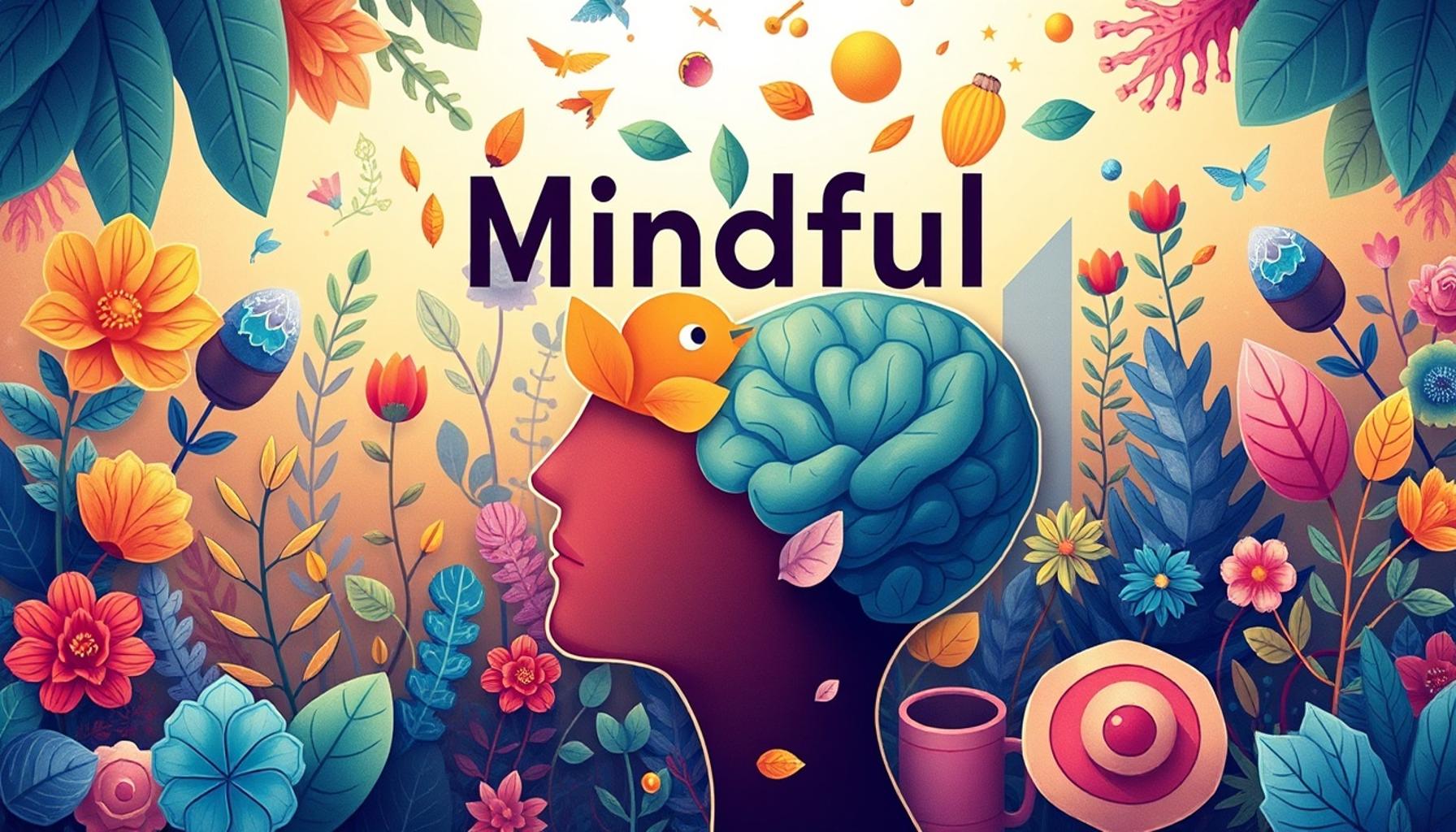
In our rapidly evolving society, where every moment is punctuated by advertisements and material pursuits, mindful living emerges as a beacon of tranquility. This approach is not merely about decluttering physical spaces but involves a profound and deliberate reassessment of our connections with both the tangible and intangible aspects of our lives. As we navigate through the chaos that consumerism often brings, it becomes essential to examine the benefits of adopting a simpler lifestyle.
Benefits of a Simpler Lifestyle
One of the most significant advantages of embracing simplicity is the enhanced focus on meaningful interactions. This shift encourages individuals to prioritize relationships over material possessions. For instance, consider a family dinner without the distractions of electronic devices. Such moments allow for deeper conversations and stronger connections, ultimately enriching our experiences.
- Reduced stress associated with clutter and distractions: Numerous studies indicate that a cluttered environment can lead to increased stress levels. By opting for fewer items, individuals often find that they experience greater mental clarity and can concentrate better on tasks at hand.
- Greater appreciation of essential items: Simplifying one’s belongings fosters an understanding of what truly matters. This can lead to more intentional purchasing decisions, as individuals learn to distinguish between need and want. For example, someone may choose to invest in high-quality furniture instead of low-cost items that don’t last.
Mindful Living and Its Impact
The journey towards a simpler lifestyle emphasizes not only physical decluttering but also mental and emotional cleanliness. By intentionally selecting what to keep in our environments, we can cultivate a space that reflects our true selves, leading to an enriched sense of well-being.
Many people report experiencing an improvement in mental clarity and emotional resilience when they adopt this lifestyle. By making thoughtful choices about consumption, we not only reduce waste but also contribute towards a more sustainable future. This consciousness often also nurtures a stronger sense of community through shared spaces and experiences, encouraging us to connect with those around us.
- Quality over quantity: In a consumer-driven culture, prioritizing quality transforms the way we view our material possessions. A simple water bottle or a cozy blanket, when regarded with appreciation, can bring joy far beyond that of countless trivial items.
This embrace of simplicity can fundamentally alter how we inhabit our spaces, turning our homes into sanctuaries that align with our authentic selves. The journey to achieving this state of mindful living is a personal one, inviting us to curate experiences rather than just accumulate objects.
Exploring Further
As we delve deeper into the power of simplicity, it becomes evident that this lifestyle not only reshapes our personal interactions but can also redefine societal norms surrounding success and happiness. Join us as we explore how adopting a simpler lifestyle can lead to richer relationships with both the objects we own and the spaces we inhabit.
DISCOVER MORE: Click here to find out what truly matters
Reimagining Our Spaces
The act of simplifying our environments extends beyond mere aesthetics; it is a transformative process that allows us to reassess our true needs and desires. In homes cluttered with unfinished projects, extra furniture, or unfulfilled promises from stores, it becomes increasingly challenging to foster a sense of peace. By opting to create a more intentional environment, we cultivate not just physical spaces, but sanctuaries for the mind and soul. This reimagining of our surroundings leads to improved well-being and a profound shift in how we engage with the world around us.
Mindful living encourages us to evaluate every object’s place in our lives. By asking ourselves critical questions—Does this serve a purpose? Does it spark joy?—we are encouraged to let go of items that do not contribute to our happiness or functionality. This process can foster a more serene ambiance that allows for creativity and productivity to flourish. Moreover, when we rid ourselves of excess, we create a natural threshold for the incoming—a sort of manifesto for meaningful consumption.
- Encouraging creativity: A streamlined environment can stimulate creativity by providing a clear space to think and create. Artists, writers, and other creatives often find that a simpler workspace can foster innovative ideas.
- Cultivating mindfulness: Fewer distractions from unnecessary objects mean more mental space to practice mindfulness. Living in a simplified environment can enhance our ability to be present, engage fully in moments, and appreciate the beauty around us.
- Fostering relationships: When we simplify our homes, we often make room for connection. Inviting loved ones into a space that values simplicity can lead to more authentic conversations and experiences, whether during a dinner party or a casual afternoon gathering.
The act of decluttering serves not only to purge physical items but also to establish a new foundation for establishing healthy relationships with our belongings. Looking around at a curated collection of items that genuinely enrich our lives, we find a greater sense of satisfaction and well-being. This is not about embracing minimalism for its own sake, but rather about consciously choosing what to surround ourselves with—be it a family heirloom, a piece of art that speaks to us, or a book that has impacted our lives profoundly.
As we embrace this journey toward simplicity, we begin to appreciate the spaces and objects that truly matter, thus heightening our awareness of their significance. In turn, this appreciation fosters an enduring relationship rooted in gratitude rather than obligation or possession.
Transforming Values and Perspectives
Delving deeper into mindful living reveals the profound impact simplicity can have on our value systems. The way we relate to objects and spaces reflects broader societal norms regarding success, happiness, and fulfillment. By transcending material accumulation, we are beckoned to redefine our understanding of prosperity and well-being. This journey shapes not just personal habits, but also the collective ethos of our communities. Exploring this evolution allows us to confront the very foundations upon which many of our societal beliefs are built.
| Advantage | Impact on Relationships |
|---|---|
| Increased Awareness | Mindful living encourages greater awareness of surroundings, fostering deeper connections with objects that hold personal significance. |
| Reduced Clutter | By decluttering spaces, individuals create an environment that promotes emotional well-being, allowing for improved relationships with loved ones. |
The exploration of simplicity in our lives has profound implications for our connections with both objects and spaces around us. As we adopt the principles of mindful living, we observe a dynamic shift that encourages us to appreciate the unique emotional significance of each item we possess. It reveals fascinating insights into how our physical environment reflects our inner world, often determining our mood and interactions.In today’s fast-paced society, reducing clutter not only clears our physical spaces but also liberates our mental space. By focusing on what truly matters, we become more intentional in our choices, leading to a higher quality of life. This clarity allows us to prioritize experiences and relationships rather than material possessions, creating a profound sense of contentment. As we dive deeper into the essence of mindful living, the notion of simplicity becomes a powerful tool, urging us to reassess our values, cultivate authentic connections, and enrich our day-to-day experiences. Each step towards a simplified life further enhances our relationship with ourselves and those around us, fostering a more harmonious existence.
DISCOVER MORE: Click here to learn about creating a serene and efficient bathroom
Shifting Paradigms: The Social Impact of Simplified Living
As we immerse ourselves in the tenets of mindful living, the profound implications on personal relationships and social connections become increasingly apparent. The quest for simplicity is not merely an individual journey; rather, it holds the potential to spark larger conversations that challenge societal expectations surrounding consumption and success. In our fast-paced society, the drive to accumulate more—be it possessions, commitments, or social media followers—often clouds our judgment on what genuinely enhances our lives.
Research indicates that individuals who pursue a lifestyle centered around simplicity report higher levels of satisfaction and lower levels of stress. According to a 2021 study published in the Journal of Happiness Studies, participants who prioritized experiences over material goods experienced a 30% increase in self-reported well-being. This revelation aligns with the idea that our relationships with both objects and spaces can bridge cultural gaps, fostering communities grounded in shared values rather than consumerism.
Mindful living acts as a catalyst for social engagement, allowing us to reassess the ways we interact with our surroundings and each other. Instead of viewing our environments as mere backdrops to our hectic lives, we begin to see them as integral parts of our emotional landscape. This shift can lead to a reconceptualization of how we gather and commune. Simple, intentional spaces encourage gatherings focused on connection over consumption—creating potlucks, reading sessions, or group meditation activities that emphasize presence and participation rather than lavish displays of wealth.
- Community over individualism: In a simpler societal model, the focus on collective experiences becomes paramount. Mindfulness nurtures connections that are authentic and fostering an environment where relationships thrive on quality rather than quantity.
- Environmental mindfulness: As we simplify our lives, we often become more aware of our ecological footprints. This consciousness tends to promote sustainable practices, encouraging us to question habits that contribute to environmental degradation. A study by the American Psychological Association found a direct correlation between individuals who engaged in minimalism and those who adopted more sustainable living habits.
- Re-evaluating success: As the dialogue around simplicity continues to grow, there is an emerging cultural shift towards redefining success not as material gain but as emotional richness and personal fulfillment. This perspective empowers individuals to pursue paths that honor their time, energy, and resources in ways that align with their core values.
Furthermore, mindful living nurtures a culture of gratitude, where individuals actively appreciate the objects and experiences that contribute to their happiness. Small gestures, such as thanking an object for its service or appreciating the purpose a space serves, foster a deeper connection that transcends mere ownership. The experience becomes one of shared gratitude, resonating with the interconnectedness of our lives and our belongings.
This re-examination might spark newfound movements aimed at fostering simplicity and community connectivity, suggesting that when we focus on our relationships with objects, we inevitably shift our perspectives on what truly matters. By creating environments that valorize authentic presence and genuine interactions over material accumulation, we open the floodgates to a deeper understanding of our values, relationships, and ultimately, our societal fabric.
DISCOVER MORE: Click here for ingenious storage solutions
Embracing Simplicity: A New Way of Living
In conclusion, the journey toward mindful living and simplicity offers profound opportunities to redefine our relationships with both objects and spaces. As we consciously choose to simplify our surroundings, we foster environments that promote authentic connections over consumer-driven values. The shift towards valuing experiences, community engagement, and environmental mindfulness reflects a radical rethinking of our societal norms.
The insights from various studies extend an invitation for further inquiry into how prioritizing emotional richness can lead to satisfaction and wellness. Individuals embracing minimalism not only cultivate personal serenity but also contribute to a collective consciousness that challenges the traditional metrics of success. It is a cultural movement that seeks to diminish the weight of material possessions and emphasizes the significance of genuine relationships and meaningful experiences.
Moving forward, the principles of simplicity can help guide individuals towards a lifestyle that is not only sustainable but also enriching. As we embrace this philosophy, we can explore avenues for deeper social engagement and environmental responsibility, paving the way for a more integrated and harmonious existence. By fostering a culture of gratitude and awareness, we can transform our interactions with the world around us, cultivating a shared appreciation for the beauty inherent in simplicity.
This evolving perspective calls for ongoing reflection and action—one where each conscious choice can contribute to a better understanding of ourselves, our connections, and the spaces we inhabit. As we take these steps toward a simpler life, we might uncover the extraordinary power of simplicity and its capacity to reshape our social fabric.