
The influence of inflation on financial planning: how to adjust your goals and investments to preserve purchasing power
The Crucial Role of Financial Adaptation
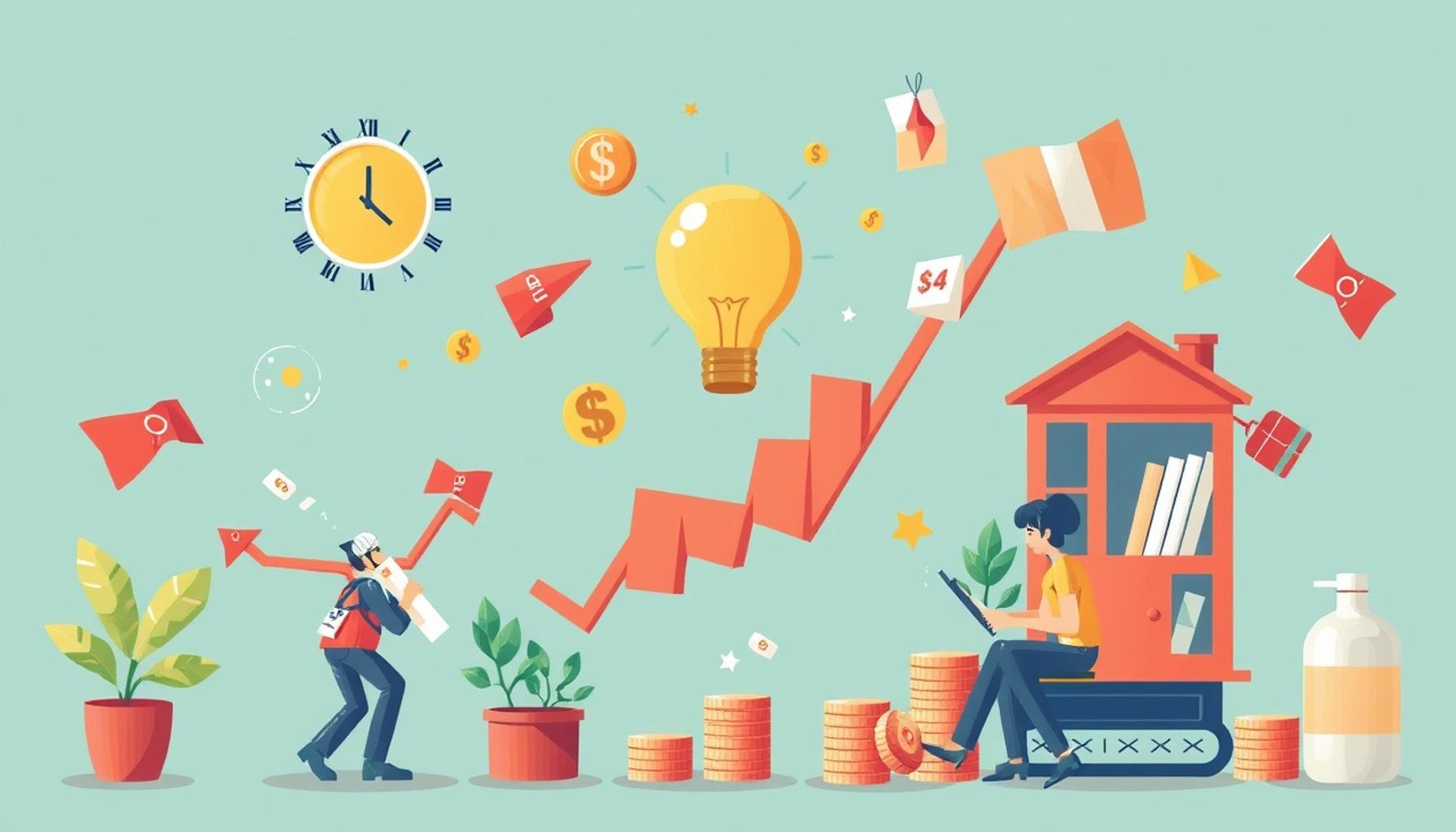
Inflation acts as a silent but pervasive force that can drastically influence your financial landscape. When the cost of living gradually rises, the value of the money you’ve set aside can diminish, making effective financial planning not just beneficial, but essential. Therefore, navigating the tides of inflation requires a proactive approach to safeguard your future purchasing power and ensure that your financial objectives remain achievable.
Adjusting Goals
One of the first steps in effective financial planning is adjusting your goals. Regularly revisiting financial objectives is important, particularly in light of changing economic conditions. Periodic assessments can help you align your targets with the current inflation rate. For instance, if your goal is to save for a home, it might be prudent to increase your savings target by a percentage that reflects the expected increase in home prices due to inflation. In doing so, you acknowledge the reality that a $300,000 home today may cost $360,000 in just five years if inflation lingers at 4% annually.
Investment Strategies
Another key consideration is your investment strategies. To combat inflation, it is often recommended to diversify your investment portfolio. Including assets such as real estate, commodities, or Treasury Inflation-Protected Securities (TIPS) can provide a hedge against inflation. Historical data shows that real estate appreciates over time and has often outpaced inflation, making it a vital aspect of a resilient portfolio. For example, during the inflationary period of the 1970s in the U.S., many investors turned to real estate and gold, both of which saw significant price increases, in contrast to cash-based assets that lost value.
Savings Accounts
In today’s economic climate, seeking savings accounts with competitive interest rates is imperative. High-yield savings accounts or Certificates of Deposit (CDs) can offer better returns compared to traditional savings accounts. As of late 2023, some online banks offer rates upwards of 4%, which can help your savings stay ahead of inflation. To illustrate, if you deposit $10,000 and earn an interest rate that outpaces inflation, you’ll be able to maintain and even increase your purchasing power over time.
In the United States, recent inflation patterns have had a noticeable impact on everything from daily grocery shopping to housing affordability. For instance, the Consumer Price Index (CPI) has shown a notable surge, leading to increased costs that consumers face regularly. Understanding these inflationary trends isn’t merely about keeping an eye on numbers; it’s about acknowledging how they affect daily life and your long-term financial outcomes.
Conclusion
As you navigate through this challenging economic climate, it becomes clear that adapting your financial planning is crucial in preserving your purchasing power. Recognizing the tangible realities of inflation can empower you to take proactive measures towards achieving your long-term financial ambitions. The knowledge and strategies you develop today will serve you well in combating the erosive effects of inflation tomorrow.
DISCOVER MORE: Click here to learn about investment strategies
Understanding the Inflation Landscape
To effectively combat inflation’s impact on your financial planning, it’s essential to first grasp its underlying mechanics. Inflation, measured through indices such as the Consumer Price Index (CPI), reflects the average change over time in the prices consumers pay for a basket of goods and services. In the United States, inflation can fluctuate due to a variety of factors including government policies, supply chain disruptions, and shifts in consumer demand. Thus, understanding these dynamics can offer insights into how inflation may influence your financial future.
The Ripple Effect of Inflation on Expenses
As inflation rises, the cost of essential items such as groceries, healthcare, and housing is likely to increase. This ripple effect can significantly strain household budgets and necessitate adjustments in how you plan your finances. Consider the following categories impacted by inflation:
- Housing: Rental prices and mortgage rates often rise in conjunction with inflation, making housing less affordable for many. Monitoring trends in local real estate markets can offer early warnings of shifts that might affect your financial goals.
- Healthcare: With healthcare costs consistently on the rise, it’s vital to account for potential out-of-pocket expenses in your financial planning, especially as you approach retirement.
- Food and beverage: Essential food costs have seen significant inflation in recent years, prompting many households to adjust their grocery budgets or dining habits.
As you can see, these rising costs can erode personal savings if not anticipated and addressed within your financial strategy. Evaluating these essential expenditure categories enables you to establish a more accurate budget based on realistic projections rather than assumptions.
Adopting Proactive Financial Mindsets
In light of inflation, adopting a proactive financial mindset is key. It’s not merely about saving more but actively reviewing where that money is stored and how it is working for you. Consider these strategies to maintain your purchasing power:
- Regular Financial Reviews: Schedule periodic assessments of your financial plans to ensure alignment with inflationary trends and your long-term goals.
- Inflation-Adjusted Savings: Focus on establishing an emergency fund that considers inflationary pressures, ensuring you have adequate resources to handle unexpected expenses without compromising your investments.
- Long-Term Investments: Consider assets that typically appreciate over time or provide yield adjustments in line with inflation to keep your investments growing.
Incorporating these inflation-sensitive strategies can lead to greater financial resilience. By understanding the evolving nature of inflation, you can safeguard your finances against erosion and maintain a focus on achieving your financial aspirations.
The Influence of Inflation on Financial Planning
As inflation continues to affect the economic landscape, it becomes crucial for individuals to revisit their financial planning strategies. Inflation erodes purchasing power, meaning that what you can buy with your money today may diminish over time. A smart financial plan must take into account not only current expenses but also future goals and the capacity for those expenses to rise in line with inflation. One fundamental aspect of adjusting your financial strategy involves re-evaluating both your short-term and long-term goals to ensure they remain attainable amid fluctuating economic conditions.
Investment Adjustments
Investing during inflationary times necessitates a reevaluation of your portfolio. Equities have historically outpaced inflation over the long run, yet it’s essential to analyze the sectors you are invested in. For instance, commodities and real estate often provide a hedge against inflation. Additionally, incorporating inflation-linked bonds or Treasury Inflation-Protected Securities (TIPS) into your portfolio can provide a layer of security. These investments are designed to protect investors by adjusting the principal in line with inflation rates, thereby maintaining capital value. The idea of diversification becomes increasingly important as well. A well-diversified portfolio can mitigate risk while potentially yielding returns that outstrip inflation. For example, consider adding asset classes such as international equities or emerging market stocks that can offer growth potential in various economic scenarios. Understanding how different investments react to inflation will allow you to make informed decisions.
Reassessing Financial Goals
Beyond adjusting your investment strategies, it is essential to periodically reassess your financial goals. If your goal is to save for retirement, consider how inflation will impact your required retirement savings. A retirement plan that factors in inflation will require a larger nest egg than one that doesn’t. Calculators are available that can assist you in estimating the impacts of inflation on your financial objectives.Additionally, recalibrating your budget to accommodate rising living costs is crucial. This involves critically assessing your monthly expenses and identifying areas where adjustments can be made to increase savings. By understanding your cash flow and its relationship with inflation, you can set realistic targets that will help secure your financial future.To summarize, the influence of inflation on financial planning is significant and requires a proactive approach. By adjusting your investment strategies, diversifying your portfolio, and reassessing your financial goals, you can better position yourself to preserve purchasing power in an ever-changing economic environment.
| Category | Key Features |
|---|---|
| Investment Strategies | Incorporate inflation-linked assets like TIPS and focus on equities for better growth potential. |
| Financial Goals | Reassess goals and savings for retirement to include inflation effects, increasing savings targets accordingly. |
DISCOVER MORE: Click here to learn about the impact of technology on asset management
Effectively Adjusting Your Financial Goals
With inflation at the forefront of economic discussions, it’s crucial to reassess your financial goals to ensure they remain attainable. Inflation not only affects everyday expenses but also the growth trajectories of savings and investments. Therefore, re-evaluating your financial targets through an inflation-adjusted lens is vital to preserving your purchasing power.
Revisiting Financial Goals
When inflation rises, the value of money decreases, which can hinder your ability to achieve financial milestones such as buying a home, funding education, or planning for retirement. Here are several key actions to consider:
- Set Realistic Inflation-Adjusted Goals: Rather than merely stating a dollar amount for future savings, ensure your targets consider inflation. For instance, if you plan to save $100,000 for a house in ten years, an average inflation rate of 3% could mean you’ll need to save approximately $134,000 to maintain that same purchasing power.
- Prioritize Short-Term vs. Long-Term Goals: Differentiate between your immediate financial needs and long-term aspirations. Focus on short-term objectives that require liquid assets, while methodically strategizing your long-term investments to keep pace with inflation. This balanced approach helps mitigate the risks of fluctuating prices on your overall financial health.
Investments That Hedge Against Inflation
Investing in inflation-resistant assets becomes paramount to preserve your wealth. Historical data shows that certain assets tend to outperform during inflationary periods:
- Real Estate: Properties often appreciate over time, making real estate investment a compelling option. Rental income can also provide a steady cash flow that adjusts upward with inflation, adding another layer of protection to your finances.
- Commodities: Assets like gold and silver have historically acted as safe havens during inflationary periods. Investment in commodities can provide a hedge as their intrinsic value tends to rise along with inflation.
- Inflation-Protected Securities: In the U.S., Treasury Inflation-Protected Securities (TIPS) are designed specifically to guard against inflation. These investments adjust the principal based on changes in the Consumer Price Index, ensuring your returns keep pace with inflation.
By diversifying your investment portfolio to include these inflation-hedged options, you not only safeguard your current purchasing power but also position yourself for potential growth. A well-informed investor is better equipped to make decisions that align with both immediate needs and long-term objectives.
The Role of Interest Rates and Monetary Policy
Central banks, particularly the Federal Reserve, play a crucial role in influencing inflation through monetary policy and interest rates. When inflation needs control, the Fed may raise interest rates to stabilize price levels. This has a direct impact on how you approach saving and investing:
- Adjusting Debt Levels: Higher interest rates can significantly increase borrowing costs. As a result, re-evaluating your debt strategy ensures that you avoid excessive interest payments. Focus on paying down high-interest debts that can quickly erode your financial plan.
- Opportunity in Fixed-Income Investing: Rising rates often mean higher yields on bonds and savings accounts. This presents an opportunity for strategic fixed-income investing, which can offer more attractive rates while preserving capital.
Staying informed about the Federal Reserve’s strategies and its broader implications on the economy will empower you to make timely adjustments in your financial planning. By taking proactive measures and understanding the multifaceted relationship between inflation and your financial goals, you can confidently navigate the shifting economic landscape.
DIVE DEEPER: Click here to uncover more insights
Final Thoughts on Financial Planning in an Inflationary Environment
The persistent rise in prices across the economy highlights the importance of understanding inflation’s impact on financial planning. Individuals are faced with increased costs for essentials like groceries, housing, and transportation, which directly affect their ability to save and invest. As a result, adapting financial goals becomes paramount in securing future stability and growth.
For instance, when planning for homeownership, potential buyers may need to recalibrate their savings strategies to account for climbing property prices influenced by inflation. Similarly, individuals setting aside funds for education must recognize that tuition fees are also susceptible to inflationary pressures, potentially leading to the need for larger savings contributions to meet future expenses.
Inflation-Adjusted Financial Strategies
To effectively navigate this landscape, it is vital to establish inflation-adjusted goals that reflect the true cost of future aspirations. This might involve reviewing and modifying timelines or amounts for major financial objectives. For example, if a family aims to save for a child’s college education but initially projected a cost of $100,000 in ten years, they should consider inflation rates, which could bring that figure closer to $130,000 or more.
Diversifying Investments
Additionally, incorporating inflation-hedged assets into investment portfolios can safeguard against diminishing purchasing power. Assets like real estate tend to appreciate over time, often outpacing inflation. Similarly, commodities like gold and inflation-protected securities (TIPS) adjust with the Consumer Price Index, thus helping investors maintain their financial footing in turbulent times. Such diversification strategies can ensure that one’s asset allocation remains resilient amidst fluctuating economic conditions.
Staying Informed and Proactive
As interest rates and debt levels change, keeping an eye on these factors enables a more calculated response to inflation. By staying informed and adaptive, individuals can position themselves favorably to capitalize on potential financial opportunities, like lower mortgage rates or higher yields on bonds. Furthermore, understanding the nature of your investments and their correlation to inflation can refine your strategy, ensuring it remains aligned with long-term aspirations.
In conclusion, a comprehensive and informed approach to financial planning in the face of ongoing inflationary challenges is vital. By acknowledging the significance of inflation and proactively adjusting financial strategies, individuals not only safeguard their purchasing power but can also seize opportunities for growth in a fluctuating economy. Embrace the complexities of inflation in your financial journey; your future self will likely thank you.