Decluttering for Families: Tips for Involving Kids in the Minimalism Journey
Embracing Minimalism as a Family
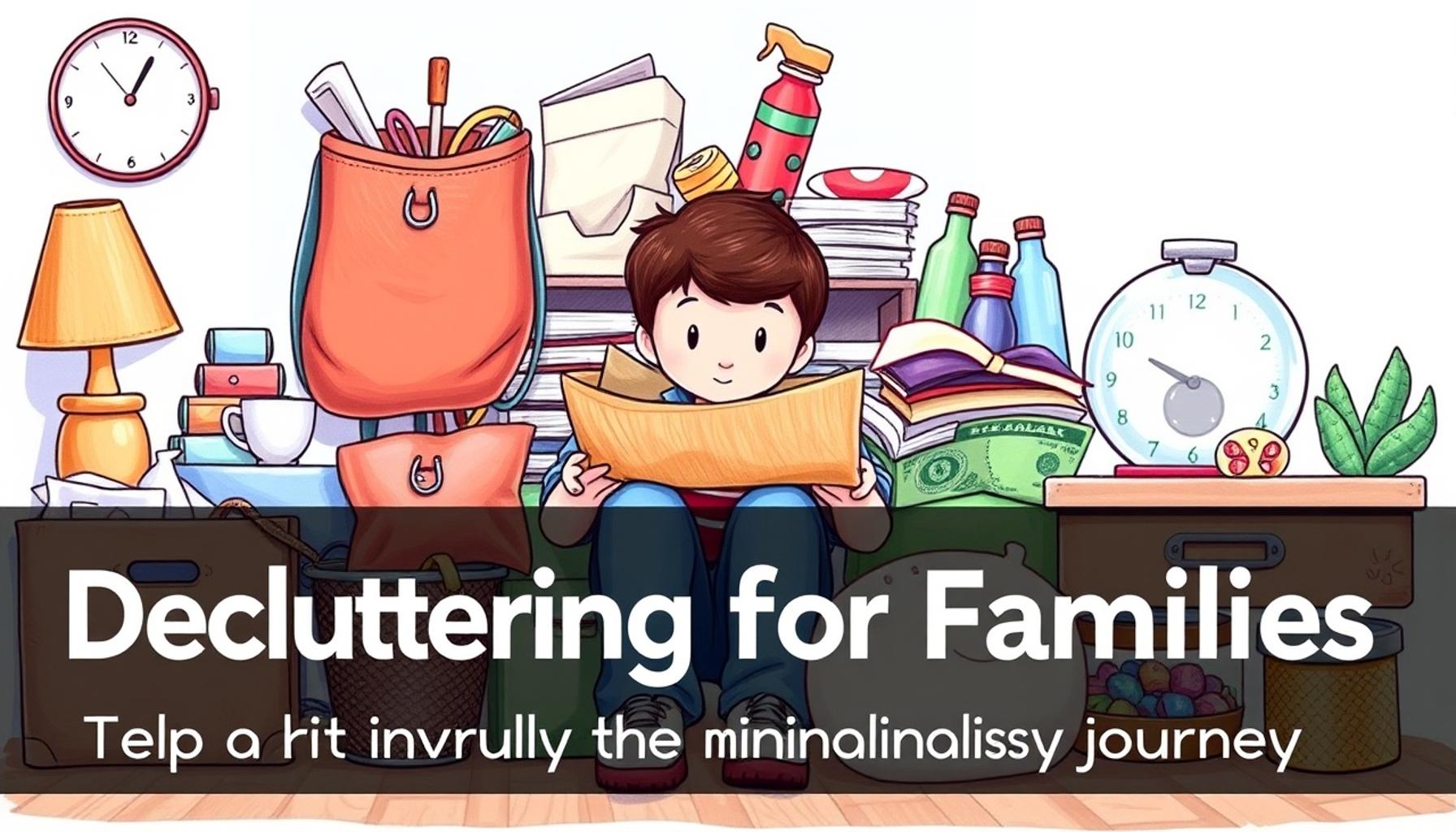
In a world overwhelmed by possessions, decluttering has taken center stage as a transformative journey for many families. Teaching children the value of minimalism not only lightens your living space but also fosters responsibility and mindfulness. Involving kids in this process can lead to lasting habits that benefit the entire family.
Why Involve Kids?
Engaging children in decluttering can have multiple benefits, such as:
- Fostering Responsibility: Kids learn to take ownership of their belongings. By encouraging them to evaluate the items they own, children develop a sense of accountability and pride in their possessions. This experience can be incredibly empowering, leading to behaviors that extend beyond physical items, such as taking care of their chores and commitments.
- Encouraging Decision-Making: Children practice making choices about what to keep and what to let go. This process not only sharpens their decision-making skills but also teaches them the importance of prioritizing what truly matters. For instance, they may discover that they rarely play with certain toys, prompting them to choose only those that spark joy or serve a purpose.
- Creating Bonding Moments: Working together can strengthen family relationships through shared experiences. As parents and children declutter side by side, they are given the opportunity to communicate and share memories associated with certain items. These conversations can deepen emotional bonds and enhance understanding among family members.
Getting Started
Ultimately, making decluttering a family activity can turn a daunting task into an enjoyable adventure. Here are some effective strategies to consider:
- Set Meaningful Goals: Define what you want to achieve together. Whether it’s creating a specific space free of clutter or preparing for a move, having clear goals gives everyone a focus and purpose. You might aim to declutter one room each week, turning it into a fun family project with a tangible outcome.
- Make it Fun: Incorporate games or challenges to keep kids motivated. For example, you could time each decluttering session, encouraging kids to see how quickly they can sort through their toys. Or, you might create a “donation box” race, where everyone competes to see who can fill their box with items to donate the fastest.
- Teach Kindness: Encourage donating items to help those in need. By discussing the impact of giving to local shelters or charities, you cultivate a sense of empathy. This can help children understand that their decluttering efforts contribute to the well-being of others, reinforcing a sense of community and social responsibility.
By undertaking this minimalist journey together, your family can experience not just a cleaner home but also a greater sense of harmony and purpose. The rewards of teaching kids about decluttering extend far beyond the physical space—it’s about nurturing a mindset that values simplicity and intention. As families navigate the clutter of modern life, it becomes essential to foster a culture of mindful consumption and appreciation for what truly enriches their lives. Through this process, families can discover not only the joy of having less but also the empowerment that comes with making intentional choices.
DIVE DEEPER: Click here to discover the power of gratitude
Practical Steps for Involving Kids in Decluttering
Embarking on a decluttering journey as a family offers an opportunity to reshape your home environment while instilling valuable life lessons in your children. To ensure that kids are engaged and active participants in this process, parents can employ a variety of practical strategies that not only simplify the task at hand but also make it enjoyable.
Establishing a Decluttering Routine
Creating a decluttering routine is essential in making the process less overwhelming and more systematic. Consider incorporating decluttering as part of a regular family activity. Scheduling dedicated time each week or month to tackle different areas of the home can foster anticipation and excitement in kids. Establishing a routine encourages children to look forward to decluttering days, viewing them as family bonding opportunities instead of chores. Here are some approaches to maintain consistency:
- Weekly Check-ins: Reserve a specific time each week to check in on clutter hotspots in your home. This could involve a quick overview of the kids’ rooms, the playroom, or communal areas to identify items that may need to be sorted.
- Seasonal Decluttering: Align decluttering efforts with seasonal changes—spring cleaning can be a great time to reassess belongings. This rhythm sets expectations and allows families to adjust their possessions with the changing weather, creating more organizational opportunities.
- Before New Holidays or Birthdays: Involve kids in assessing their belongings before special occasions. Encouraging them to make space for new gifts by letting go of older items can deeply connect the experience of giving and receiving.
Choosing the Right Tools
Equipping your children with the right tools for decluttering can significantly enhance their engagement and efficiency. Simple supplies like bins, labels, and sorting boxes can help children visualize the process and take ownership of their decision-making. Some key items to consider include:
- Clear Bins: Using clear storage bins allows children to see what they have easily, making it more straightforward to assess whether they need to keep or declutter.
- Labels: Encourage kids to create labels for different categories, such as “to keep,” “donate,” or “trash.” Making this a creative activity can add an element of fun—use colorful markers or stickers to personalize their labels.
- Sorting Containers: Utilize cardboard boxes or baskets for quick sorting during decluttering sessions. Kids can actively categorize items, reinforcing their decision-making process and allowing for smoother organization thereafter.
With a focused approach and the right resources, decluttering can easily transform from a mundane task into an engaging family experience. By fostering a sense of routine and providing helpful tools, parents not only encourage children to take part in the minimalist journey but also lay the groundwork for lifelong habits of mindfulness, responsibility, and teamwork. In the following sections, we’ll explore additional techniques for integrating fun and educational principles into the decluttering process for families, ensuring that everyone gets the most out of their minimalism journey.
Incorporating Kids into the Decluttering Process
Involving children in the decluttering journey can teach valuable life skills while cultivating a sense of control and responsibility. One effective tip is to create a “Declutter Challenge” suitable for different age groups. For younger kids, you might play a scavenger hunt game where they need to find and choose items they no longer use. This fun approach reduces resistance to letting go and fosters engagement in the process.Older children, especially teens, often have attachments to specific items. Encouraging a discussion about their belongings can highlight which items truly hold value versus those that serve no purpose. Encourage them to think critically about their possessions by asking questions like, “Does this item bring you joy?” or “How often do you use it?”Another key strategy is the practice of using the “One in, One out” rule. It creates a sustainable way of managing possessions. For every new toy or item brought into the home, encourage kids to pick one item to donate or discard. This simple rule not only minimizes clutter but also teaches the importance of maintaining a manageable collection of belongings.Creating a designated decluttering space is also beneficial. Set up a fun, inviting area in your home with colorful bins or boxes where kids can place items they wish to part with. This visual representation can make the decluttering journey feel less overwhelming. It also allows for parental involvement without dictation, enabling children to take the lead in their own spaces.To further motivate kids during the minimalism journey, consider rewarding them with incentives. For example, after decluttering a specific area, treat them to an ice cream outing or a family movie night. Recognizing their efforts not only makes decluttering a positive experience but also establishes a rewarding routine. By strategically involving children in the decluttering process, families can promote a mindset of simple living—a foundational pillar of minimalism—while also nurturing kids’ growth and independence in managing their environments.
DISCOVER MORE: Click here to transform your space
Making Decluttering Fun: Engaging Activities for Kids
Transforming decluttering into a fun and interactive activity can significantly boost participation from children. Incorporating elements of play and creativity not only makes the process enjoyable but also deepens their understanding of minimalism and its benefits. Here are some engaging activities that can make decluttering a family affair:
Decluttering Games
Games are a powerful tool for keeping kids engaged during decluttering. By creating friendly challenges, parents can add an element of excitement. Consider the following ideas:
- Timed Challenges: Set a timer for a specific period and challenge kids to see how many items they can declutter in that time. This can lead to friendly competition and quick decision-making, turning the task into a fun race against the clock.
- The Five-Item Challenge: Encourage kids to select five items that they no longer use or need. This simplified choice helps them prioritize what matters most, and they can even donate chosen items to local charities for community impact.
- Treasure Hunts: Frame decluttering as a treasure hunt where kids have to “find” items to keep, donate, or toss. This can reinvent the view of decluttering from being a chore to part of an adventure.
Incorporating Creativity
Allowing kids to express themselves creatively can foster a deeper connection to the decluttering process. Encourage them to:
- Art Projects: Use old clothes or school supplies to create art or crafts. By repurposing items, they learn about sustainability while enjoying creative expression, rather than simply discarding goods.
- Vision Boards: Invite children to create vision boards featuring items they love and want to keep. This visual exercise encourages them to evaluate what truly matters in their lives, making the decision-making process easier.
- Storytelling: Encourage kids to share stories about their belongings during decluttering. This discussion can help them contextualize their items emotionally, making it easier to part with those that no longer serve a purpose.
Highlighting the Benefits of Minimalism
As children participate in decluttering, discussing the benefits of minimalism can significantly enhance their understanding of why this process is important. Reinforce the positive outcomes through age-appropriate conversations:
- Generosity: Teach kids that donating toys and clothes gives others joy and can help those in need. Show them the impact their choices can have on their community, instilling a sense of empathy and generosity.
- Focus and Clarity: Explain how decluttering creates space for mental clarity and allows room for new experiences. Help them understand that a less cluttered environment can lead to heightened focus, especially when it comes to studying or playing.
- Responsibility: Highlight how getting rid of unused items is a way to take care of their space. This nurtures responsibility and helps children form lifelong habits that prioritize organization and mindfulness.
By introducing elements of fun and creativity into the decluttering process, families can create a collaborative environment that helps kids look forward to their minimalist journey. As they engage in playful activities and meaningful discussions, children grow in their understanding of belonging and ownership, paving the way for responsible habits that last well into adulthood.
DISCOVER MORE: Click here for innovative storage solutions
Conclusion
Involving children in the decluttering process can turn a seemingly overwhelming task into an engaging and enriching family experience. By integrating play, creativity, and meaningful conversations, parents can instill in their kids the core principles of minimalism and a sense of responsibility toward their belongings. As families work together to declutter, they cultivate essential life skills such as empathy through sharing and donating, focus in maintaining a tidy environment, and clarity that comes from having space for what truly matters.
The journey towards a minimalist lifestyle doesn’t have to be tedious. By turning decluttering into interactive activities like games or art projects, children become active participants rather than reluctant helpers. This not only makes the experience more enjoyable but also encourages them to form lasting habits about owning and cherishing their items. It’s imperative to communicate the benefits of this journey clearly, as children begin to recognize the value of mindful consumption and its impact on their lives and communities.
Ultimately, as families embrace decluttering, they embark on a path that not only enhances their immediate living environment but also fosters essential values for future generations. Adopting a minimalistic mindset lays the groundwork for healthier, happier homes, allowing families to navigate life with greater focus and intention. This journey, filled with shared experiences and valuable lessons, can redefine not just how children view their possessions, but how families connect with each other and the world around them.