Puzzle Strategies for Enhancing Cognitive Function and Memory
The Transformative Impact of Puzzles on Cognitive Function
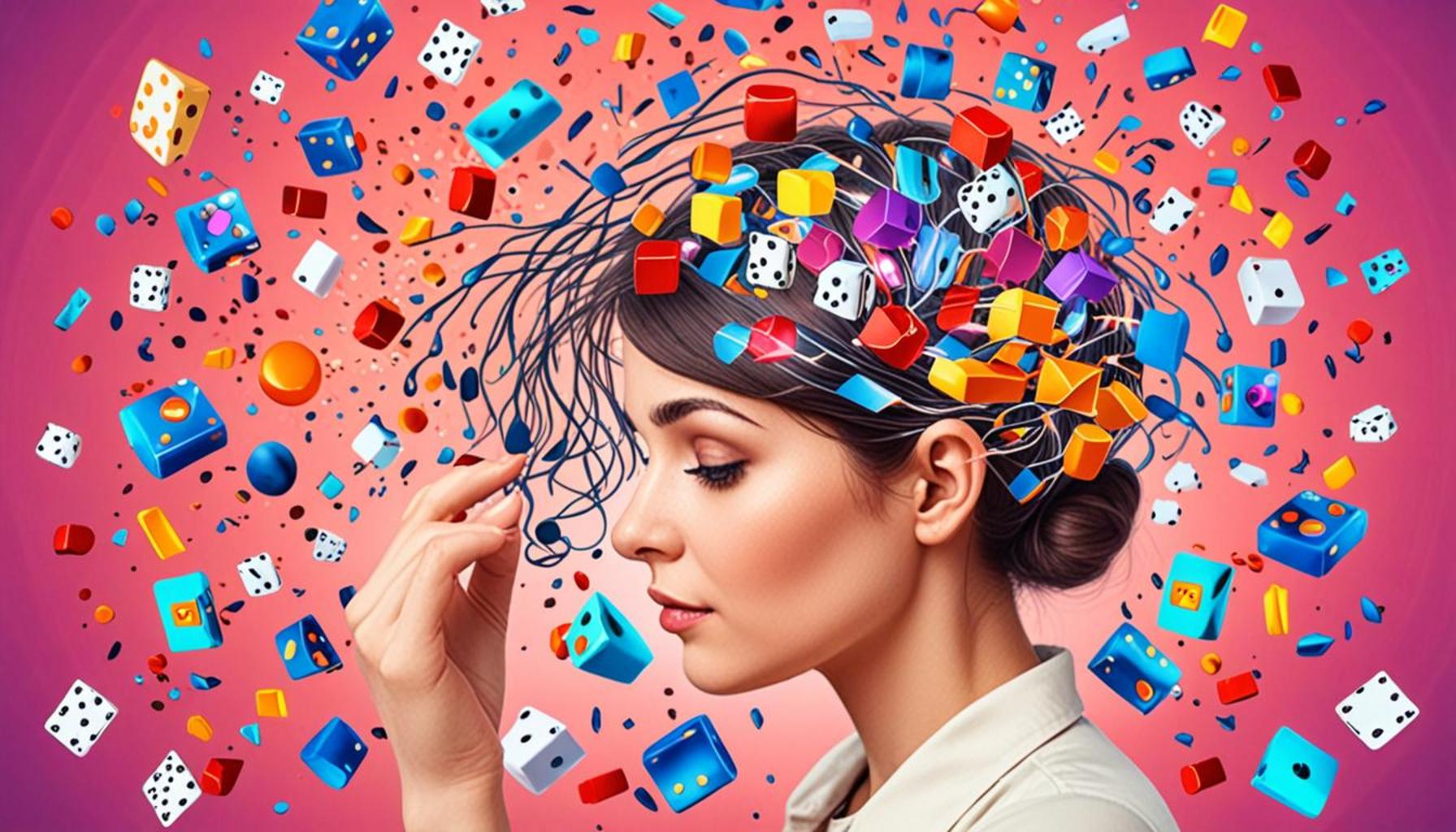
Puzzles are more than just an enjoyable pastime; they are powerful tools that can significantly enhance mental acuity. The act of piecing together complex problems engages the brain in ways that promote cognitive development and overall mental health. By delving into the intricacies of puzzle-solving, one can uncover a plethora of benefits that aid in mental agility and intellectual growth.
Boosts Problem-Solving Skills: In today’s fast-paced world, having sharp problem-solving skills is invaluable. Puzzles, including logic games and intricate riddles, challenge individuals to think critically and approach problems from various angles. For example, playing chess—a strategic game in itself—can greatly enhance your ability to anticipate possible outcomes and make calculated decisions. Similarly, logic puzzles require patterns and strategy, fostering your mind’s analytical side. This boost in problem-solving abilities can extend beyond games, influencing decision-making in personal and professional life.
Improves Memory: Regular engagement with puzzles has been shown to positively influence memory retention and recall. For instance, an analysis published in the journal “Neuropsychology Review” showed that older adults who solve puzzles regularly experience a slower decline in memory compared to those who do not. Activities like jigsaw puzzles promote spatial awareness and recall of shapes and colors, while crossword puzzles enhance verbal memory by challenging you to retrieve words from your mental lexicon. This improved memory can be beneficial in a range of activities, from learning new hobbies to managing day-to-day tasks.
Enhances Focus: In an era filled with distractions, cultivating focus is essential. Dedicating time to puzzles helps train the brain to concentrate better. When immersed in a challenging Sudoku or striving to complete a difficult jigsaw puzzle, individuals often enter a state of flow—a concept explored by psychologist Mihaly Csikszentmihalyi. This state encourages deep concentration, which can improve attention spans in other areas of life, such as work or study.
Furthermore, research indicates that different types of puzzles can stimulate varied facets of cognitive function. For instance, playing word puzzles like Scrabble nurtures language skills, while numerically inclined games like Sudoku sharpen logical reasoning. Engaging regularly with these puzzles not only makes learning enjoyable but also creates stronger neural pathways that enhance cognitive abilities over time.

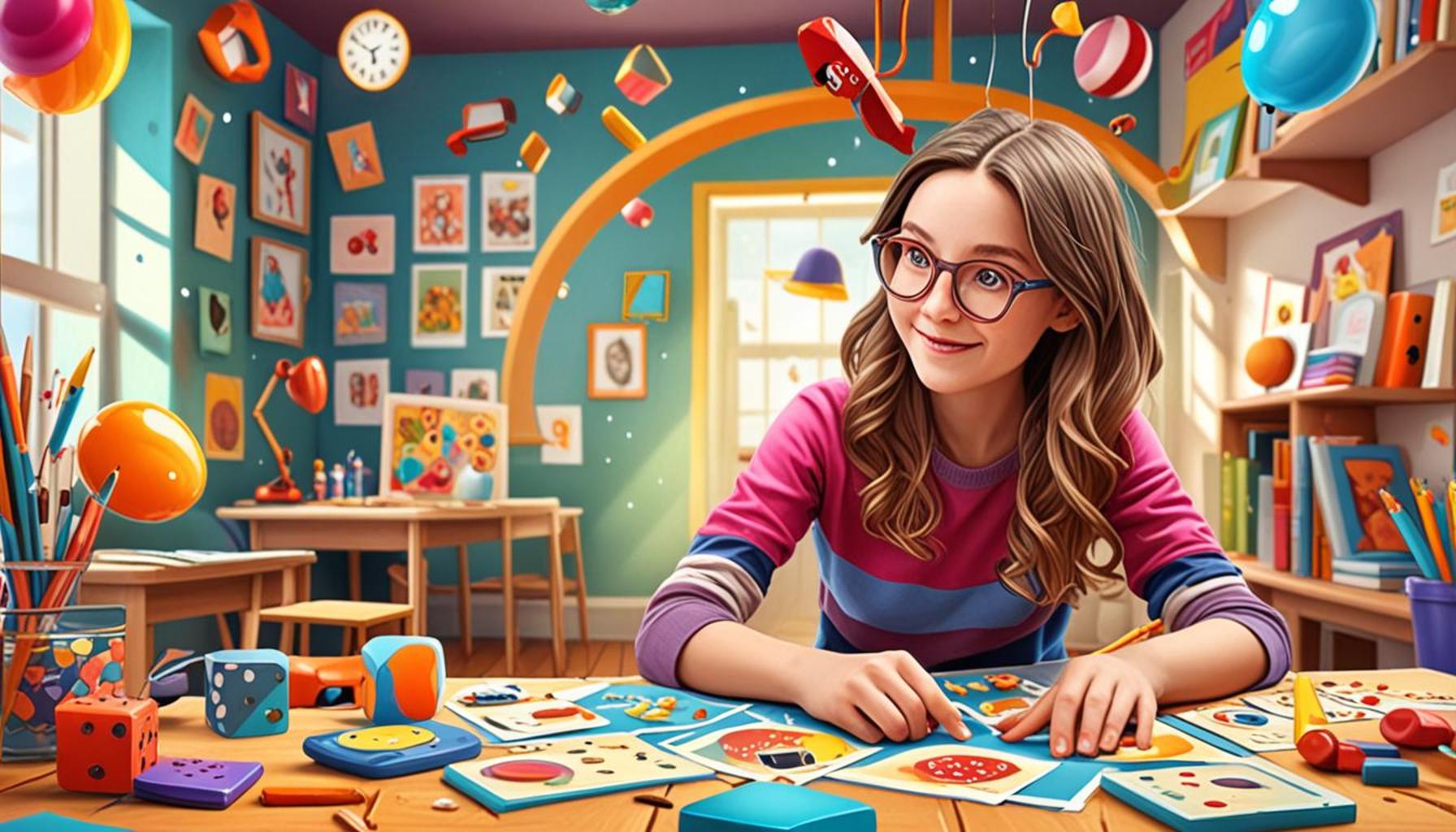
The growing trend of incorporating brain-training exercises into daily routines begs the question: how can one effectively tap into the power of puzzles? To maximize these benefits, consider setting aside time each day for puzzle-solving, joining local puzzle clubs, or even leveraging apps that offer daily challenges. Interactive puzzles can also promote social engagement, creating opportunities for teamwork and collaboration. By integrating puzzles into your lifestyle, you can actively stimulate cognitive growth and unlock the full potential of your mind.
DIVE DEEPER: Click here to discover the cognitive benefits of logic games
Engaging Through Variety: The Power of Different Puzzle Types
The world of puzzles is vast, encompassing a range of types and formats that cater to various cognitive skills and interests. From jigsaw puzzles to crosswords to logic games, each type engages distinct cognitive processes, thus enhancing different facets of cognitive function and memory. Leveraging this diversity can not only bolster your brainpower but also keep the challenge exciting and stimulating.
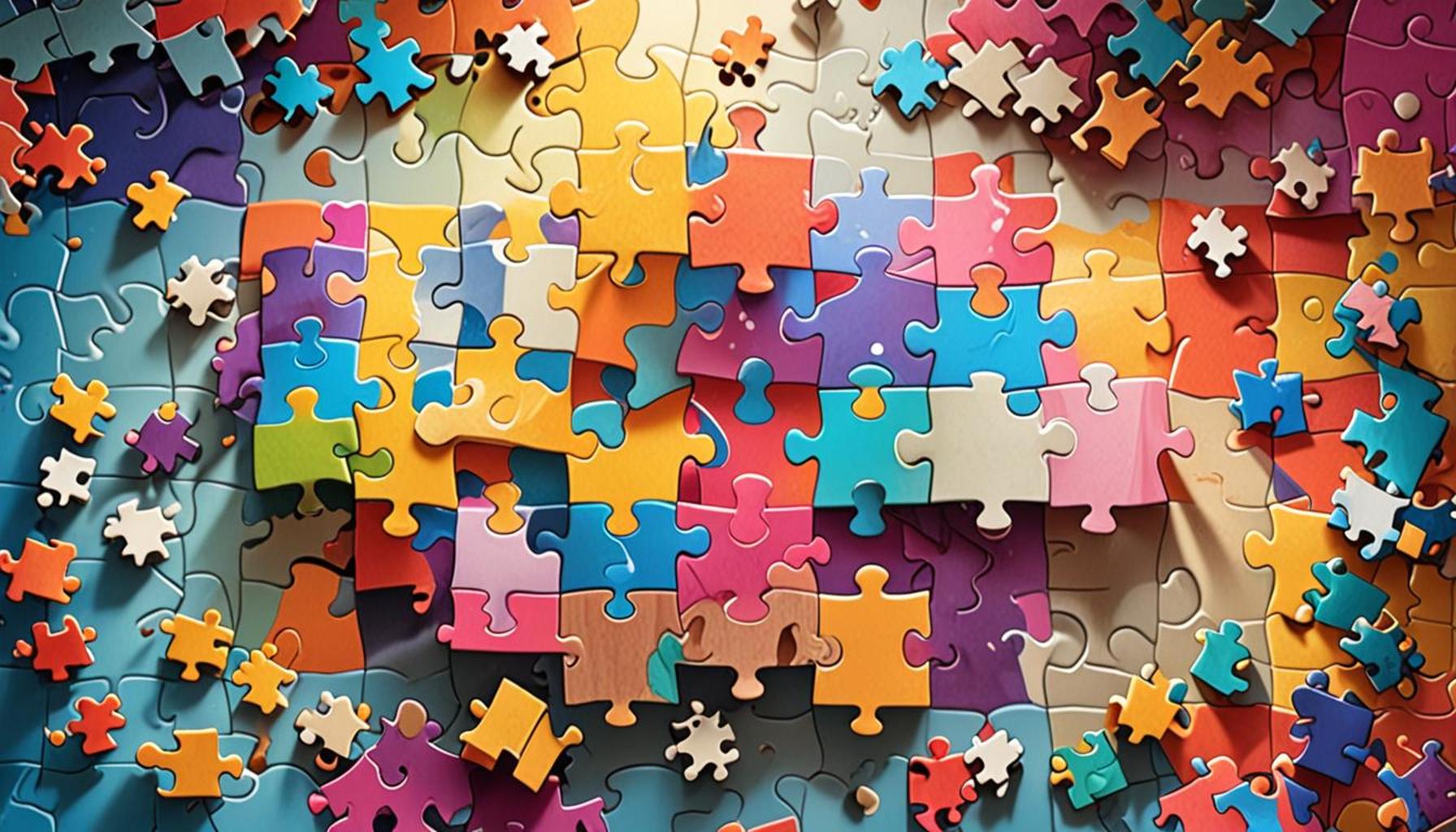
Jigsaw Puzzles: These classic puzzles are excellent for boosting spatial awareness and visual memory. The process of sorting pieces and figuring out where they fit encourages the brain to recall shapes, colors, and spatial relationships. Research indicates that the act of assembling jigsaw puzzles enhances the brain’s ability to visualize and manipulate objects, fostering neural connections vital for problem-solving. Additionally, they can be a relaxing yet engaging way to unwind, making them an ideal choice for daily mental exercise.
Crossword Puzzles: Ideal for enhancing verbal and language skills, crossword puzzles challenge you to retrieve words from your memory while also broadening your vocabulary. A study from the “Journal of Aging Research” highlights that regular engagement with word games, such as crosswords, is linked with improved cognitive function in older adults. Solving crosswords also requires critical thinking and pattern recognition, which can benefit older individuals aiming to maintain mental acuity.
Sudoku: This numerical puzzle develops logical reasoning and problem-solving abilities. To solve a Sudoku, players must analyze patterns and eliminate options based on possibilities, a process that sharpens analytical skills. Research from the University of California suggests that engaging with number puzzles like Sudoku significantly boosts short-term memory and reasoning ability, subsequently aiding in everyday tasks such as budgeting and planning.
Logic Puzzles: Requiring critical thinking and reasoning skills, logic puzzles often present a narrative that challenges you to deduce conclusions based on limited information. These puzzles can vary widely in complexity and often involve identifying patterns, making inferences, or strategic placement. Engaging with logic puzzles can enhance analytical skills and improve your ability to process information efficiently, which is particularly beneficial in professional settings that demand quick thinking.
Strategies for Effective Puzzle Engagement
- Set Realistic Goals: Start with simpler puzzles and gradually move to more complex tasks to build confidence and skills.
- Mix Puzzle Types: Engage with a variety of puzzles to ensure different cognitive skills are being challenged—this complete regimen nurtures overall brain health.
- Collaborate with Others: Join puzzle clubs or collaborate with friends and family. Social interaction boosts motivation and adds an element of fun.
- Regular Practice: Dedicate a specific part of your daily routine to puzzle-solving—this consistent engagement reinforces neural pathways and sharpens cognitive skills over time.
Incorporating various types of puzzles into your routine can have profound impacts on enhancing cognitive function and memory. By actively challenging your brain, you equip yourself with the tools necessary for critical thinking and problem-solving throughout your daily life. With a wealth of options at hand, finding enjoyable and beneficial puzzles to include in your lifestyle is not only simple but also rewarding.
| Category | Description |
|---|---|
| Cognitive Skills Development | Puzzle activities stimulate various cognitive skills such as logic, problem-solving, and critical thinking. Regular engagement with puzzles can lead to enhanced neuroplasticity. |
| Memory Enhancement | Puzzles improve memory retention by promoting mental organization and memory games which cultivate stronger neural connections, benefiting both short and long-term recall. |
Engaging in puzzle strategies not only enhances cognitive function but also plays a significant role in maintaining mental agility as one ages. Each puzzle completed serves as a workout for the brain, challenging it to think outside the box and adapt to new patterns. Furthermore, studies indicate that individuals who regularly engage in brain games experience less cognitive decline over time, highlighting the importance of lifelong mental exercises. As you delve deeper into this fascinating area, discover the profound ways puzzles can shape the architecture of your mind and unlock potential you never knew existed. Exploring apps and platforms that offer varied levels of difficulty might also provide a fun and educational avenue to keep your brain fit while enjoying stimulating content.
DISCOVER MORE: Click here to dive into the evolution of puzzles
The Role of Puzzles in Cognitive Rehabilitation and Aging
Puzzles not only serve as a source of entertainment but also hold significant potential in cognitive rehabilitation and the aging process. Engaging with puzzles can be particularly beneficial as individuals navigate the challenges associated with cognitive decline or neurological conditions. A growing body of research supports the idea that regular puzzle engagement may counteract memory loss and enhance cognitive function in seniors.
Brain Games and Cognitive Rehabilitation: Programs that incorporate puzzles as part of a therapeutic strategy have shown promising results in cognitive rehabilitation. Activities like memory games, crossword puzzles, and memory matching exercises are often utilized by therapists to help patients recover cognitive functions lost due to strokes, trauma, or diseases like Alzheimer’s. A study published in “Neuropsychology Review” indicates that sustained cognitive engagement, including puzzle-solving, can not only slow cognitive deterioration but potentially foster neuroplasticity in patients, allowing them to adapt and improve functional abilities.
Memory Retention and Aging: As we age, retaining memory often becomes a challenge. Research consistently shows that engaging with puzzles can be a fun and effective means of keeping the brain sharp. The “Journal of Neuropsychology” reported that seniors who engage in puzzles and similar cognitive tasks experience lower rates of cognitive decline compared to those who do not. Simple memory games, like remembering the location of different puzzle pieces or recalling words while solving a crossword, have been shown to improve both short-term and long-term memory retention.
Technology-Enhanced Puzzles: The rise of modern technology has brought puzzles into the digital realm, making them more accessible than ever. Smartphone and tablet applications offer a plethora of puzzle types that can be played anywhere, generating excitement and competition amongst peers. Digital puzzles often include varying levels of difficulty, allowing users to incrementally increase their mental challenges. These apps not only provide engagement but also track progress and offer insights into cognitive improvements over time, making it easier for users to see their growth in memory and problem-solving skills.
Puzzle Strategies Tailored for Different Age Groups
It’s crucial to tailor puzzle strategies according to age and cognitive abilities to maximize their benefits. For kids, incorporating educational puzzles—like shape sorters or alphabet jigsaws—can enhance critical thinking and foundational learning. As children develop, introducing more complex puzzles, such as logic games, can sharpen their reasoning and analytical skills.
- For Adults: Adults can benefit from engaging with crosswords and Sudoku, designed to challenge vocabulary and numerical reasoning. Joining local puzzle groups can also provide social interaction, fostering connections while working on brain health.
- For Seniors: To address age-related cognitive decline, seniors may find visual and tactile puzzles, like jigsaw puzzles with large pieces, to be more manageable. Subtly advancing to more complex puzzles can stimulate engagement, helping maintain and develop cognitive functions.
Exploring the multifaceted role of puzzles in cognitive function and memory holds immense potential for individuals across all ages. By intentionally selecting puzzles that align with personal preferences and cognitive goals, users can navigate their mental challenges in a way that is both enjoyable and beneficial, ensuring sustained engagement and lasting cognitive health.
DIVE DEEPER: Click here to uncover more insights
Conclusion: Unlocking Cognitive Potential Through Puzzles
In a world increasingly influenced by technological advancements and fast-paced lifestyles, puzzles emerge as a timeless tool for enhancing cognitive function and memory. The evidence showcasing the benefits of puzzle engagement spans across various age groups, from children developing foundational skills to seniors combating cognitive decline. Utilizing puzzle strategies tailored to individual needs not only promotes mental agility but also fosters social interactions and a sense of achievement.
As we have explored, puzzles play a crucial role in cognitive rehabilitation, serving as effective interventions for those recovering from neurological issues or managing the natural aging process. Activities like crosswords, Sudoku, and digital brain games not only boost memory retention but also encourage neuroplasticity, allowing individuals to adapt and strengthen their cognitive abilities. The transition of puzzles into digital formats further enhances their accessibility and engagement, promoting an enjoyable experience while tracking cognitive progress.
Ultimately, the challenge lies in embracing puzzles as a regular part of our daily routines. By selecting the right types of puzzles and integrating them into our lives, we can cultivate a stimulating environment that nurtures brain health. As we continue to uncover the myriad benefits associated with puzzles, we encourage readers to explore new puzzle experiences, invest in their cognitive wellness, and consider puzzles not just as entertainment, but as a powerful strategy for unlocking lifelong cognitive potential.