The Fascination of Jigsaw Puzzles: History and Evolution

The Allure of Jigsaw Puzzles
Jigsaw puzzles have captured the imagination of countless individuals across generations, evolving from simple educational aids to intricate forms of entertainment that command attention and skill. Their enduring appeal can be traced to not only the intellectual challenge they offer but also the therapeutic experience they provide. Enthusiasts, ranging from young children to senior citizens, find themselves enchanted by the colorful designs and the satisfying completion that comes with aligning each unique piece into a cohesive picture.
Factors Contributing to the Fascination of Jigsaw Puzzles
As we explore the phenomenon of jigsaw puzzles, several key factors stand out as major contributors to their appeal:
- Historical Roots: The story of jigsaw puzzles dates back to the 1760s when British mapmaker John Spilsbury created the first known puzzle as a teaching tool for geography. These early puzzles were handcrafted from wood and illustrated with maps. Over time, they transitioned into a popular pastime, with the introduction of cardboard pieces in the early 20th century making them more accessible to the masses.
- Cognitive Benefits: Numerous studies suggest that engaging in puzzle-solving can significantly enhance critical thinking skills, boost memory retention, and even improve visual-spatial reasoning. For example, working on a puzzle requires players to visualize and manipulate pieces in their mind, skills that are invaluable in a variety of real-world applications such as architecture, engineering, and everyday problem-solving.
- Social Activity: Puzzles serve as a unique bonding experience for families and friends. Sitting together to tackle a challenging jigsaw fosters conversations, collaboration, and a sense of accomplishment. In an age dominated by screens and social media, puzzles offer a refreshing opportunity for face-to-face interaction, creating cherished memories among participants.
Technological and Cultural Evolution
The evolution of jigsaw puzzles mirrors broader technological and cultural shifts throughout history. Initially, puzzles were hand-cut wooden designs, each piece exhibiting craftsmanship. Today, advancements in printing technology have allowed for mass production of puzzles, introducing exquisite visual designs, including iconic artwork, breathtaking landscapes, and even personalized photos. Moreover, the rise of digital puzzles through apps and online platforms has transformed traditional engagement, allowing players to enjoy puzzles anywhere, from their living rooms to on-the-go.
Conclusion: A Source of Joy and Creativity
As we dive deeper into the rich tapestry of jigsaw puzzles, it becomes evident that they are more than mere entertainment; they are a blend of art, strategy, and social interaction. Whether you’re piecing together a historical scene, a mesmerizing work of art, or a photograph of a cherished memory, each completed puzzle showcases not only dedication but also the journey of collective problem-solving. The next time you find yourself with a box of jigsaw pieces in hand, remember that you’re not just assembling a picture—you’re connecting with a tradition that has delighted and inspired people globally for centuries, inviting you to discover the joy and creativity that resides in each piece.
DIVE DEEPER: Click here to discover more about the impact of puzzles on children’s development</p
The Historical Journey of Jigsaw Puzzles
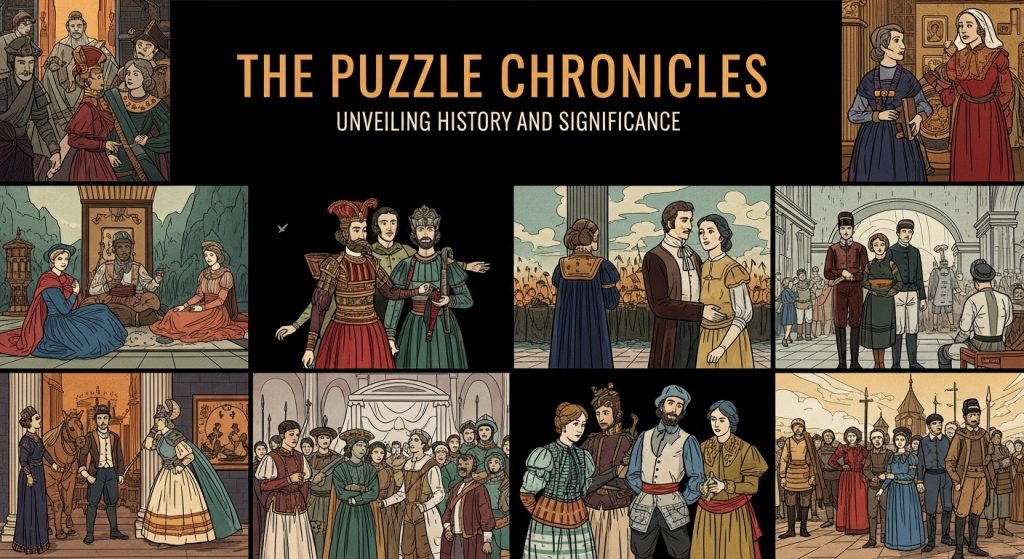
The origin of jigsaw puzzles is both fascinating and enlightening, revealing a story that intertwines education, craftsmanship, and recreation. In the 1760s, as previously mentioned, British mapmaker John Spilsbury revolutionized the teaching method for geography by adhering a map to a piece of wood and cutting it into irregular shapes. This innovative approach laid the groundwork for what we now recognize as the first jigsaw puzzle. These early puzzles were primarily used in educational settings to teach children about geography, a purpose that continued for many years.
As the 19th century rolled in, the popularity of jigsaw puzzles soared, especially in England and the United States. The introduction of die-cutting techniques in the early 1900s transformed the production process. Mass production made puzzles more affordable, allowing families from various socioeconomic backgrounds to enjoy this engaging pastime. Companies like Dowdle Folk Art began producing a wide array of designs, from serene landscapes to cultural landmarks, expanding the thematic diversity of puzzles.
The Golden Age of Jigsaw Puzzles
The 1920s and 1930s are often referred to as the golden age of jigsaw puzzles in America. This period saw a surge of interest in puzzles as both a leisure activity and a form of art. Puzzles began to feature designs by renowned artists, combining aesthetic appeal with the challenge of assembly. This innovative trend led to not only a rise in sales but also the establishment of dedicated puzzle clubs and competitions, where enthusiasts would gather to share their love of puzzles.
Here are a few notable developments from this era:
- Artistic Collaborations: Manufacturers partnered with famous artists to create intricate designs, elevating jigsaw puzzles to high art.
- Puzzles with Themes: Specialty puzzles featuring pop culture, historical events, or even famous personalities became popular, catering to a wide variety of interests.
- The Great Depression Influence: During this challenging economic period, families turned to affordable entertainment options, with jigsaw puzzles emerging as a favorite pastime.
Transition to the Modern Era
As America emerged from the shadows of World War II, jigsaw puzzles quickly adapted to the changing cultural landscape. Rapid advancements in technology throughout the late 20th and early 21st centuries led to the incorporation of digital puzzles into public consciousness. These innovations not only enhanced the gaming experience but also introduced new audiences to the joys of assembling jigsaw puzzles. Today, apps and online platforms enable individuals to enjoy jigsaw puzzles anywhere, breaking the traditional confines of tabletop gaming.
In examining the rich history and evolution of jigsaw puzzles, it becomes clear that they have evolved far beyond their humble beginnings as educational tools. They now serve as vehicles for creativity, connection, and entertainment, bridging generations and backgrounds. As we delve deeper into the cognitive and social benefits of these mesmerizing pastimes, we uncover the layers of attraction that keep puzzle enthusiasts coming back for more.
Jigsaw puzzles have captivated enthusiasts around the globe for centuries, evolving from simple wooden pieces to intricate designs that challenge the mind and satisfy the soul. The journey of these puzzles began in the 18th century when they were initially crafted as educational tools. As they gained popularity, they transformed into a beloved pastime, particularly during the Victorian era, when they became household staples.The innovation of the die-cut puzzle in the early 1900s marked a significant turning point in the world of jigsaw puzzles. This new technique allowed for more complex and engaging images, making puzzles more appealing to a wider audience. Today, the remarkable variety of themes—from stunning landscapes to abstract art—means that there is a jigsaw puzzle for everyone.
The Impact of Technology
In recent years, technology has further revolutionized the jigsaw puzzle landscape. Digital puzzles have emerged, providing a convenient way for enthusiasts to enjoy their favorite hobby on various devices. Online platforms allow users to connect, compete, and share their completed puzzles, fostering a sense of community. Additionally, advancements in printing technology have enabled the creation of high-quality images on sturdy materials, enhancing the tactile experience of puzzle assembly.Puzzle design has also been greatly influenced by societal trends and cultural themes. Artists and designers collaborate with manufacturers to craft limited-edition puzzles, merging art with gameplay. This not only elevates the aesthetic appeal but also turns puzzles into collectible items. The fusion of art and puzzles adds a new layer of fascination, creating an emotional connection for those who engage with them.
The Therapeutic Benefits
Moreover, the resurgence of jigsaw puzzles during challenging times, such as global crises, underscores their therapeutic value. Many people turn to puzzles as a means of relaxation and mindfulness, helping to alleviate stress and promote mental well-being. Engaging with puzzles can also improve cognitive functions, such as problem-solving skills and spatial awareness.As we delve deeper into the history and evolution of jigsaw puzzles, it becomes clear that their allure remains undiminished. They are not merely pastimes; they are a form of art, cognitive exercise, and a bridge connecting individuals, regardless of age. Each piece tells a story, inviting enthusiasts to partake in a journey that transcends time and fosters a lasting sense of accomplishment upon completion.
DIVE DEEPER: Click here to discover the psychology behind logical puzzles</a
The Resurgence of Jigsaw Puzzles in the 21st Century
The onset of the 21st century has ushered in a remarkable resurgence of jigsaw puzzles, spurred in part by the global challenges that many have faced, including economic recessions and the recent pandemic. As people sought refuge from stress and uncertainty, puzzle-solving became a popular method for relaxation and mental engagement. This revival was characterized not only by an increase in puzzle sales but also by a significant expansion in the variety of available puzzles.
One notable trend has been the rise of 3D puzzles, which add a spatial dimension to the traditional experience. From iconic landmarks like the Eiffel Tower to intricate models of vehicles, these multidimensional puzzles engage builder’s creativity and dexterity. They have garnered considerable interest, attracting seasoned puzzlers and novices alike.
Moreover, the puzzles of today cater to a diverse range of interests and age groups. Custom puzzles, which allow customers to create personalized jigsaw experiences using family photographs or artwork, have gained traction. This personalization fosters a deeper emotional connection, making the act of assembling a puzzle even more rewarding. Companies specializing in custom puzzles have reported a significant uptick in demand, highlighting the desire for unique experiences in a consumer market that increasingly cherishes individuality.
The Cognitive Benefits of Puzzle Solving
While enjoying jigsaw puzzles has always been a beloved pastime, recent studies shed light on their surprising cognitive benefits. Engaging with puzzles requires various mental skills, including problem-solving, pattern recognition, and spatial reasoning. Research indicates that regular participation in activities like assembling jigsaw puzzles helps improve short-term memory and enhances cognitive speed.
This is especially significant in our fast-paced, technology-driven world, where the ability to concentrate and maintain focus is critical. Puzzles also offer a therapeutic escape, promoting mindfulness and reducing anxiety. The simplicity and tactile nature of puzzle solving provide a calming effect, allowing individuals to disconnect from digital distractions and immerse themselves in the tactile experience of piecing together a visual narrative.
The Rise of Social Connectivity and Puzzles
In addition to cognitive benefits, jigsaw puzzles have continued to foster social connectivity in an increasingly isolated world. As families and friends engaged in puzzles together during lockdowns, this activity created opportunities for bonding, exchange of stories, and shared accomplishments. Virtual events, workshops, and puzzle challenges emerged, where enthusiasts could connect via social media platforms, sharing their progress and strategies.
Dedicating time to work on a puzzle has also evolved into a social phenomenon. Many households adopted puzzles as evening routines, providing a shared activity that encourages conversation and collaboration. This shift illustrates how jigsaw puzzles have transcended mere entertainment, becoming integral to social dynamics, engagement, and community-building among puzzle lovers.
Trends Shaping the Future of Jigsaw Puzzles
The future of jigsaw puzzles looks promising, driven by ongoing innovations in design and technology. With advancements in manufacturing, environmentally-friendly alternatives are gaining ground, as brands commit to sustainable practices by producing puzzles from recycled materials. This aligns with a growing consumer demand for environmentally conscious products, particularly among younger generations.
As technology continues to evolve, we can expect the integration of augmented reality (AR) into the jigsaw puzzle experience. Imagine assembling a physical puzzle only to point a smartphone at it, revealing animated elements or a related story. Such developments could redefine the jigsaw puzzle landscape, blending traditional mechanics with modern technology.
In summary, the fascination with jigsaw puzzles reflects their adaptability and timeless appeal. As they evolve in response to societal changes and technological advancements, puzzles remain a cherished activity, inviting countless individuals to assemble pieces of art, history, and personal stories for generations to come.
DISCOVER MORE: Click here to dive deeper
Conclusion: Embracing the Timeless Allure of Jigsaw Puzzles
Throughout their rich history, jigsaw puzzles have proven to be much more than a mere pastime; they embody a cultural phenomenon that reflects societal changes, adaptive creativity, and an appreciation for the simple pleasures in life. As we have explored, the evolution of jigsaw puzzles is marked by their transition from educational tools in the 18th century to a beloved source of relaxation and cognitive enrichment in the modern age.
The recent resurgence in popularity, particularly during challenging times, illustrates how puzzles bring individuals together, fostering social connections and enhancing mental well-being. With the introduction of innovative formats, including 3D puzzles and customized experiences, the puzzle-solving landscape is expanding to cater to an increasingly diverse audience. The ongoing integration of technology, from environmentally sustainable materials to augmented reality elements, promises to further enhance the allure of puzzles and engage a new generation of enthusiasts.
As we move forward, it is evident that the fascination with jigsaw puzzles lies not just in their ability to challenge the mind, but also in their capacity to create shared experiences and memories. Their ability to adapt and resonate with our evolving lives hints at a future where puzzles will continue to thrive and inspire. Whether piecing together a stunning image, celebrating personal stories, or discovering new dimensions through technology, jigsaw puzzles will remain a treasured part of our cultural landscape for years to come.