The Importance of Natural Light: How Minimalism and Spatial Efficiency Connect Through Lighting
Understanding the Role of Natural Light in Modern Design
Natural light is more than just a simple source of illumination; it is a transformative element that can significantly alter the atmosphere of a space, affecting both its aesthetic appeal and the well-being of its inhabitants. As the architectural landscape evolves, particularly in urban settings where space is often limited, the connection between minimalism, spatial efficiency, and the strategic use of lighting has never been more significant. Designers and architects today understand that harnessing natural light is not merely an aesthetic choice, but a vital aspect of effective architectural design, enhancing the overall experience of a space.
The Benefits of Embracing Natural Light
- Improved Mood: Numerous studies have demonstrated that exposure to natural light can lead to increased serotonin levels, which in turn boosts mood and productivity. In office settings, for example, employees who work in environments rich in natural light report higher job satisfaction and feel more energized throughout the day.
- Energy Cost Savings: By maximizing the use of daylight, households and businesses can significantly cut down on energy consumption. Research indicates that buildings designed with ample natural light can reduce electricity costs related to indoor lighting by up to 50%, making sustainable living more accessible and engaging.
- Enhanced Aesthetics: Natural light not only enhances the color and texture of materials but also creates dynamic shadows that add depth to architectural features. Spaces that incorporate reflective materials, such as glass and polished surfaces, can amplify the effects of sunlight, making rooms feel larger and more inviting, thus eliminating the often claustrophobic feel of urban living.
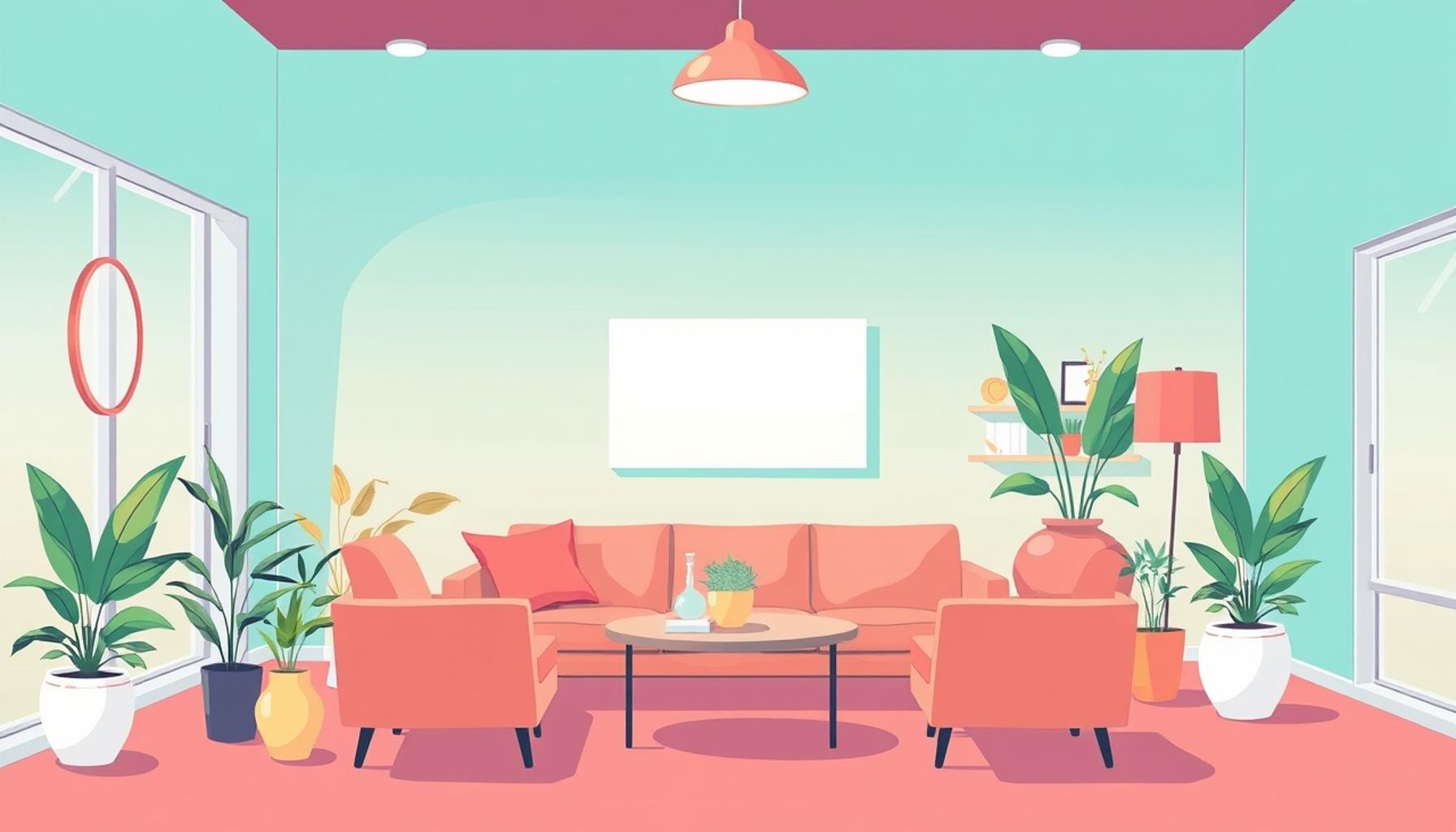
In an era where urban living increasingly prioritizes efficiency and minimalism, the thoughtful integration of light becomes imperative. Architects often design buildings with large windows, skylights, and open layouts that allow natural light to flood in, creating a seamless connection between indoors and outdoors. For instance, contemporary homes in California frequently feature floor-to-ceiling windows that not only optimize warmth and light but also offer breathtaking views of nature, enhancing the living experience.
Furthermore, the concept of “daylighting” is gaining traction, encouraging the design of spaces in a manner that maximizes daylight without compromising privacy or aesthetics. This approach is evident in modern workplaces, such as Silicon Valley tech hubs, where expansive glass facades and innovative layouts create vibrant, energetic atmospheres conducive to creativity and collaboration.
As we delve deeper into the intricate relationship between natural light and modern design, it becomes abundantly clear that investing in effective lighting strategies is not just a trend, but a fundamental shift in how we conceptualize our spaces. A well-lit environment enhances not merely the visual aspects of a space but also enriches the emotional and psychological experiences of its occupants.
DISCOVER MORE: Click here to learn about mindful living</a
Illuminating Spaces: The Intersection of Natural Light and Design
The integration of natural light into architectural design serves as a critical layer that supports the current trends of minimalism and spatial efficiency. In a world where real estate prices continue to soar, particularly in urban centers across the United States, maximizing every square foot is essential. This paradigm shift necessitates an examination of how natural light can enhance the functionality of spaces while also providing psychological benefits to their occupants.
One might question how such an intangible element as light can lead to tangible benefits in design. The answer lies in understanding the multifaceted characteristics of natural light. It is not just about brightness; it is about creating an environment that fosters comfort, well-being, and productivity. Research has shown that access to daylight reduces eye strain, elevates mood, and even improves overall health. For individuals working from home or in co-working spaces, adequate exposure to natural light means starting the day with a competitive edge—better focus and enhanced performance.
Navigating Limited Space with Strategic Lighting
In densely populated cities like New York and San Francisco, where available living space is often restricted, the concept of spatial efficiency becomes increasingly pertinent. Architects and designers are embracing this challenge by leveraging natural light as a key tool to magnify small areas. Below are some vital strategies employed to ensure spaces feel larger and more open:
- Light Wells and Skylights: Incorporating architectural features that invite light from above allows interior spaces to bask in sunlight, thereby reducing the need for artificial lighting.
- Open Floor Plans: These layouts promote seamless transitions between spaces and facilitate the flow of natural light throughout an entire home or office. This design choice is increasingly popular in modern residential projects, reflecting a minimalist approach that values simplicity.
- Reflective Surfaces: Walls, floors, and furnishings with reflective qualities can amplify the effects of natural light. By strategically placing mirrors or using light-colored finishes, designers can enhance brightness, making even the smallest of rooms feel more expansive.
Furthermore, the growing trend of biophilic design emphasizes the need for a connection between natural elements and built environments. Spaces that incorporate natural light along with plant life not only become visually appealing but also promote physical and mental health. Urban dwellers, often deprived of natural surroundings, can find solace in environments that bring the outdoors in through careful lighting design.
As we continue to navigate the complexities of modern living, the importance of natural light transcends aesthetic appeal. It forms the crux of functional design, enhancing usability while ensuring that spaces adhere to the principles of minimalism and efficiency. By prioritizing natural lighting solutions, we cultivate environments that not only serve their purpose but also enrich the lives of those who inhabit them.
The Role of Natural Light in Enhancing Minimalist Spaces
Natural light plays a pivotal role in defining the aesthetic and functional qualities of minimalist spaces. By allowing sunshine to spill into residential and commercial interiors, minimalism finds its strongest ally. This illumination not only enhances the visual appeal of a space but also contributes to an increased sense of well-being among its inhabitants. Research shows that exposure to natural light significantly boosts productivity, concentration, and mood, making it an essential element in design.Space efficiency is inherently connected to how light is integrated into a setting. When architects and designers maximize the influx of natural light, they create an illusion of grandeur. Smaller areas feel more open and less restrictive. For instance, a well-placed oversized window or skylight can visually expand a room, making it appear airy and inviting, thus directly supporting the minimalist design philosophy, which thrives on simplicity and intentionality.Incorporating natural light also ties into the principles of sustainability. As more people advocate for eco-friendly living, natural lighting emerges as a cost-effective solution. By reducing reliance on artificial lighting, homeowners and businesses can significantly lower their energy consumption, leading to reduced energy bills and a lower carbon footprint. Moreover, the interplay between natural light and spatial efficiency has aesthetic benefits as well. This connection often leads to harmonious designs where every element serves a purpose. Strategically placed light fixtures can enhance the overall composition of a room, guiding the eye and creating focal points without cluttering the environment. One cannot overlook the psychological effects of natural light in minimalist designs. Spaces that harness daylight tend to feel more tranquil and restful. For instance, designing open-plan living areas with expansive windows not only fosters a sense of connection to the outdoors but also encourages relaxation and peace, which are at the heart of minimalistic living.By harnessing natural light effectively, one can enhance not only the beauty and functionality of a space but also the overall quality of life. As we delve deeper into the importance of daylight in minimalist and spatially efficient designs, one thing becomes clear: the thoughtful integration of natural light is not just beneficial; it is essential.
| Advantage | Description |
|---|---|
| Enhancement of Mood | Natural light contributes to emotional well-being, enhancing mood and reducing stress. |
| Space Perception | Light transforms smaller areas by creating an illusion of spaciousness and openness. |
In summary, the relationship between natural light, minimalism, and spatial efficiency extends beyond mere aesthetics; it fosters a harmonious living environment that supports well-being, sustainability, and intentional living.
DISCOVER MORE: Click here to enhance your focus and productivity
The Role of Technology in Enhancing Natural Light Access
As the dialogue surrounding the importance of natural light evolves, so too does the technology designed to maximize its benefits. Innovative smart home technologies are increasingly integrated into building designs, enabling homeowners and businesses to take full advantage of daylight while enhancing overall energy efficiency. Automated window treatments, for example, can be programmed to open at dawn and close as the sun sets, allowing optimal sunlight to flood in while also providing necessary privacy. This level of control empowers users to adapt their environment based on their daily routines, signifying a significant advance in spatial efficiency.
Moreover, advanced digital modeling tools are now available, allowing architects to visualize how light interacts with spaces throughout different times of the day and seasons. By utilizing these digital models, designers can create spaces that intelligently respond to natural light patterns. A well-lit space not only aids in reducing reliance on artificial lighting but also draws occupants’ eyes to focal points within a room, accentuating minimalist design choices.
Seasonal Light Variations and Adaptable Spaces
The seasonal variations in natural light present unique opportunities for adapting spaces to maximize their functionality. For instance, during the summer months, longer daylight hours allow for substantial energy savings by extending the time that natural light can be utilized for work and leisure activities. In contrast, winter months may necessitate a more focused approach to light access. In these cases, the placement of architectural features like light tubes or strategically positioned windows can optimize sun exposure, creating warmth and comfort even during the coldest seasons.
This adaptability reaffirms the connection between minimalism and natural light; by employing versatile design elements that respond to the changing needs of the environment, space can remain uncluttered and functional throughout the year. The benefit of this dynamic space further nurtures mental well-being as the occupants experience the ebb and flow of natural daylight.
Cultural Perceptions of Light and Space Design
Across various cultures, the use of natural light reflects differing values toward space and design in relation to lifestyle. For example, Mediterranean countries often embrace expansive windows and open-air spaces as a means of fostering social interaction and a deep connection to the outdoors. In contrast, more northern countries such as Sweden and Norway have developed unique architectural solutions that maximize sunlight, especially during long, dim winters. These solutions range from large, south-facing windows to the implementation of light wells that draw sunlight deep into the heart of a building.
Understanding these diverse applications can guide designers and homeowners in the US to think critically about their own relationship to natural light. Incorporating such cultural insights into American designs can pave the way for innovative solutions that not only maximize space efficiency but also enrich occupants’ lives. By learning from global practices, there is vast potential to inspire new approaches that align with local needs while embracing the aesthetics of minimalism.
Ultimately, the drive for maximizing natural light extends beyond aesthetics, becoming a crucial element in creating healthy, productive spaces that resonate with the principles of minimalism and spatial efficiency. Embracing this focus allows us to not only design more efficient structures but also cultivate environments that support holistic well-being in our increasingly fast-paced lives.
DIVE DEEPER: Click here to learn how minimalism can enhance your time management
Conclusion: Embracing Natural Light for a Brighter Future
In conclusion, the significance of natural light in contemporary design transcends mere aesthetics; it fosters improved physical and mental well-being while promoting spatial efficiency. As we have examined, innovative technologies and architectural strategies allow us to harness the power of daylight, adapting spaces to enhance productivity and comfort. The interplay between natural light, minimalism, and well-planned environments creates harmonious living and working areas that cater to our evolving needs.
Cultural perspectives on light further enrich our understanding of its importance in design. By drawing inspiration from various global practices, we can create spaces in the United States that maximize sunlight, reflecting our values and lifestyles. The integration of sustainable design elements, such as light tubes and large windows, nurtures a connection to the outdoors and reduces reliance on artificial lighting, ultimately contributing to a greener future.
As we embrace the principles of minimalism in our daily lives, let us not overlook the profound impact that natural light can have on our homes and workplaces. By prioritizing light-filled spaces, we invite clarity, creativity, and tranquility into our routines. This mindful approach not only enhances our physical surroundings but also nurtures holistic well-being, reinforcing the notion that a well-lit environment is indeed a catalyst for a healthier, happier existence. Moving forward, it is essential to challenge our design paradigms and envision a world where natural light is an integral component of every space, reminding us of the beauty and efficiency that simplicity can bring.