
The Psychology of Space: Impact of Minimalism on the Perception of Environments and Spatial Efficiency
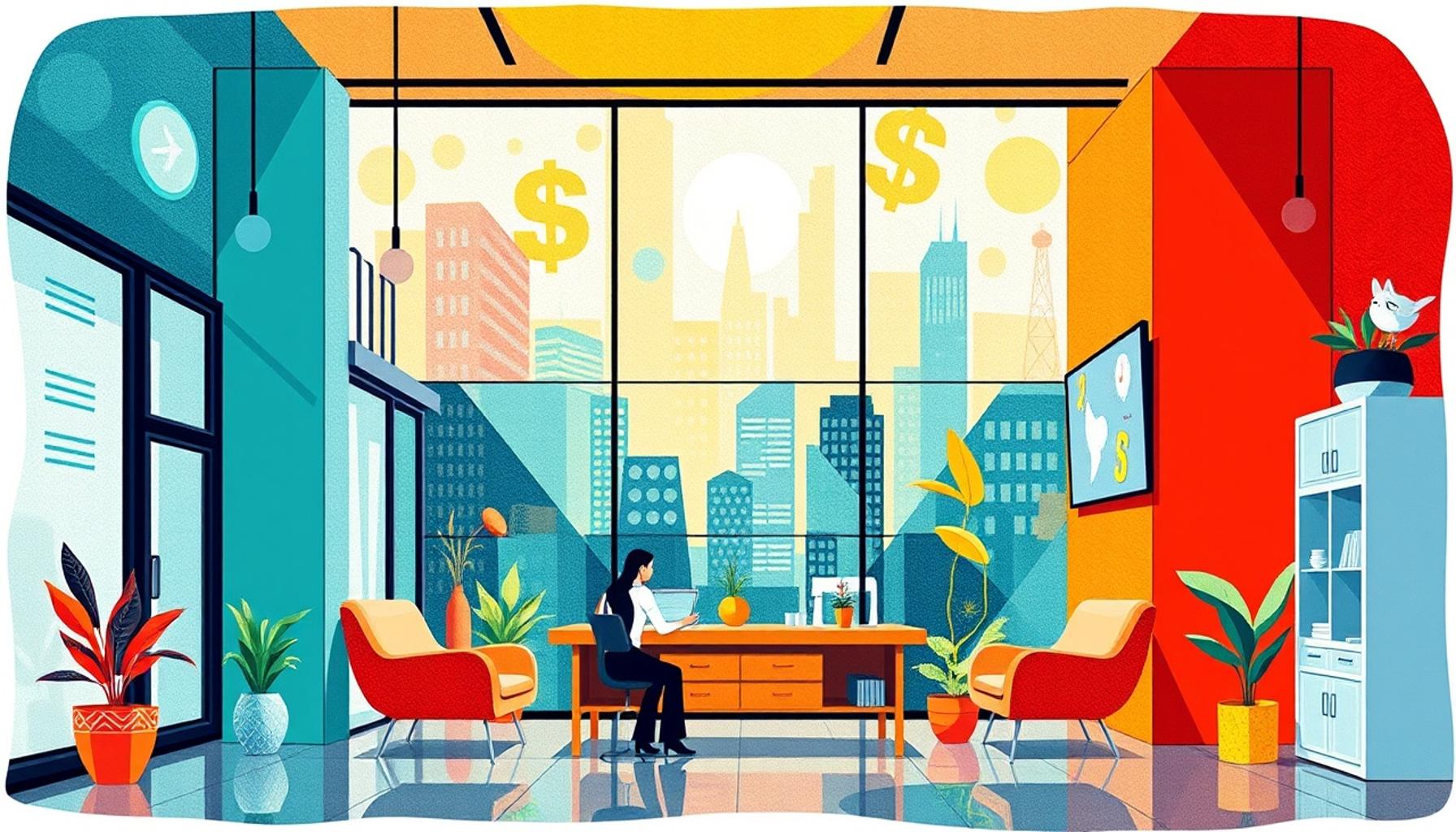
The Profound Effects of Minimalism on Human Experience
Each environment we inhabit wield considerable influence, shaping not only our emotions but also our thought processes and behaviors. As we navigate through our increasingly complex world, the perceptions of these spaces take on heightened significance. The minimalism movement has surged in popularity over the past decade, inviting individuals to reconsider their relationships with their surroundings in favor of simplicity and intentionality.
At its core, minimalism transcends mere aesthetic appeal; it is a philosophy that emphasizes the importance of simplicity and functionality in design. This approach is fundamentally about decluttering not just our physical spaces but also our minds. By eliminating the extraneous elements, minimalism seeks to enhance our experiences, focusing on what truly adds value. Here are some ways in which minimalism impacts our perception of space:
- Improved Clarity: A minimalist environment, with its carefully chosen essentials, fosters greater mental clarity. For instance, in an office designed with minimal distractions, employees report enhanced focus and productivity. Studies have shown that when workers are surrounded by fewer visual distractions, their ability to concentrate improves significantly.
- Enhanced Efficiency: Spaces that are organized and free from clutter can significantly boost efficiency. Consider the layout of a kitchen with minimalist principles; utensils and ingredients within easy reach streamline the cooking process, making it more enjoyable and less time-consuming. Efficiently designed spaces facilitate better movement and flow, enhancing daily tasks.
- Calming Atmosphere: Simplified environments are often synonymous with tranquility. A living room characterized by minimal furniture and soft lighting can create a serene atmosphere, promoting relaxation. Many individuals turn to minimalist design when seeking refuge from the chaotic pace of modern life, illustrating how emotional well-being is linked to spatial design.
Diving deeper into the psychology of space reveals profound insights about our environments’ roles in shaping our feelings. For example, urban areas that adopt minimalist designs—like parks with wide open spaces and fewer structures—can lead to reduced stress levels among city dwellers. Furthermore, the rise of tiny homes epitomizes the minimalist ethos, wherein residents have reported increased happiness due to having fewer possessions and a stronger connection to their living spaces.
Ultimately, understanding these dynamics opens doors to improve how we utilize space, both in urban planning and personal lifestyle choices. As lifestyles in the United States continue to adapt to new norms—whether it be through remote work or changing family structures—the lessons of minimalism can help create environments that not only serve functional purposes but also enrich our daily experiences. Engaging with the principles of minimalism can contribute to a more mindful, centered existence in our increasingly bustling world.
DIVE DEEPER: Click here to learn more about mindful living
Understanding the Psychological Impact of Minimalist Design
The growing trend of minimalism in our built environments taps into the deep-seated psychological need for order and simplicity. The influence of minimalist spaces permeates not only aesthetics but genuinely reshapes how we physically and emotionally engage with our environments. To further grasp this connection, it is essential to explore how these concepts manifest in our daily lives and the mental health benefits they confer.
One of the most significant ways that minimalism enhances our spatial experience is through its ability to elicit a sense of control. In a world filled with continuous demands and stimuli, minimalist environments provide a refuge. Research suggests that people in cluttered spaces often feel anxious and overwhelmed, as their minds compete to process extraneous details. In contrast, individuals exposed to minimalist surroundings report reduced anxiety levels, which translates into improved mood and cognitive function. This psychological relief isn’t merely anecdotal; studies have shown that decluttering one’s home or workspace can significantly lower stress hormones, allowing for a more peaceful existence.
Furthermore, the concept of spatial efficiency plays a crucial role in how we perceive our environments. A well-organized space, where every item has its designated place, can drastically reduce the time spent searching for belongings and completing everyday tasks. The following aspects of minimalism highlight its role in enhancing spatial efficiency:
- Intentional Design: Each piece of furniture or decoration is chosen with purpose, which maximizes functionality and minimizes waste. For example, a living room designed around a few essential pieces not only looks more pleasing but also promotes easier movement and interaction.
- Streamlined Functionality: A minimalist kitchen outfitted with multi-functional tools enables users to optimize cooking processes. The elimination of redundant items frees up valuable counter space, allowing for a smoother culinary experience.
- Enhanced Behavioral Flow: In spaces that prioritize minimalism, individuals find it easier to navigate and engage with their surroundings. A clutter-free office, for example, encourages employees to move efficiently between tasks, resulting in improved workplace morale and output.
Moreover, the principles of minimalism extend beyond individual spaces; they resonate through entire communities as urban planners embrace these ideas. Cities integrating minimalist parks with open spaces and fewer structures foster environments that encourage relaxation and social interaction. Evidence suggests that urban dwellers living near such spaces experience lower levels of stress, thus enhancing their overall quality of life.
This psychological interplay between minimalism and human experience not only emphasizes the critical role that environmental design plays in shaping our mental and emotional states but also serves as a guiding principle for future developments. As societal norms evolve to embrace a more simplified lifestyle, the benefits of minimalism beckon citizens to reevaluate their interactions with both personal and communal spaces.
| Advantage | Description |
|---|---|
| Cognitive Clarity | Minimalist spaces facilitate focused thinking by reducing distractions, leading to improved creativity and problem-solving abilities. |
| Emotional Well-being | A streamlined environment fosters a sense of calm, thereby enhancing mental health and promoting overall happiness. |
The influence of minimalism extends beyond aesthetics; it significantly alters our psychological responses to our environments. The reduction of clutter in a room not only optimizes spatial efficiency but also encourages a greater sense of functionality. By embracing minimalism, individuals often find it easier to navigate their daily tasks, as the environment becomes more intuitive.Moreover, research indicates that minimalistic designs can lead to increased spatial awareness. People living or working in such spaces report feeling more liberated and less constrained, which can stimulate a productive mindset. In real-life applications, businesses leveraging minimalist designs in their offices frequently note higher employee satisfaction and retention rates.Additionally, the interplay between light and space in minimalist environments cannot be overstated. Large windows and open layouts allow natural light to flow freely, enhancing mood and productivity levels. This attribute makes minimalism not just a design choice but also a lifestyle that promotes a healthful synergy between people and their surroundings. The enduring impact of minimalism on our interpretations of space urges us to consider its principles in our designs, inviting a deeper inquiry into how our choice of environments can profoundly affect our mental states. Such reflections can lead to innovations that combine aesthetics with functional living.
DISCOVER MORE: Click here for tips on creating a serene minimalist bathroom
The Societal Shift Toward Minimalism
As minimalism gains traction not just in personal spaces but also within communal and public environments, it highlights a significant societal shift towards valuing simplicity and functionality. This evolution can be traced to several interrelated factors, including the rise of technology, changing consumer behaviors, and an increasing awareness of mental health.
In the era of digital saturation, individuals are bombarded with information and stimuli that can lead to cognitive overload. The minimalist design philosophy emerges as a counterbalance to this bombardment, advocating for environments that promote clarity and focus. For instance, tech companies are increasingly adopting minimalist office designs, creating open spaces with fewer distractions that align with modern workflows. A prominent example is Google, where offices are intentionally designed to minimize clutter to boost creativity and foster innovation among employees.
Another dimension of minimalism’s appeal lies in its alignment with sustainable practices. A growing number of consumers are becoming more conscious of the environmental impacts of their choices. By embracing minimalism, individuals and corporations alike are opting for quality over quantity—investing in fewer, more sustainable products that are built to last. This conscientious consumption reflects a broader trend toward environmental stewardship, promoting both psychological and physical well-being. For example, brands like Muji and IKEA leverage minimalist aesthetics not only in product design but also in packaging, thus resonating with eco-conscious consumers.
Recent studies corroborate this intersection of minimalism and mental health, indicating that environments designed with minimalism in mind facilitate effective stress management. Research conducted by the University of California reveals that individuals living in minimalist homes experience a greater sense of satisfaction and well-being. Participants reported feeling more relaxed and less distracted, attributing these sensations to their uncluttered living spaces.
Furthermore, minimalism encourages mindfulness, a mental state that promotes presence and awareness. The removal of distractions allows individuals to engage more fully with their surroundings and cultivate a deeper appreciation for objects and experiences. A simple art installation, for instance, can evoke profound connections when placed in a minimalist setting. This idea extends to the burgeoning popularity of minimalist design in urban planning, where layered green spaces and fewer obtrusive structures are intentionally created to foster community interaction and mental tranquility.
The impact of minimalism also resonates in educational settings, where schools are exploring the benefits of minimalist classroom designs. Research indicates that teachers and students achieve better outcomes in uncluttered environments, where focus can shift more easily to learning activities without the distraction of unnecessary items. Schools adopting minimalist strategies report improved engagement and lowered behavioral issues, underscoring the potential of spatial efficiency in enhancing educational experiences.
This comprehensive examination of how minimalism intersects with societal trends demonstrates the broad range of psychological effects that spatial design can elicit. As communities across the United States begin to embrace these principles, the ripple effects may redefine how spaces are conceived, constructed, and utilized, leading to environments that promote mental clarity and elevate the human experience.
DIVE DEEPER: Click here to uncover the role of mindfulness in decluttering</
Conclusion: The Transformative Power of Minimalism
In exploring the psychology of space and the impact of minimalism, it becomes evident that the design choices we make significantly influence our mental and emotional well-being. As the world leans toward clutter-free living and functional environments, the positive ramifications of minimalism extend beyond mere aesthetics; they resonate deeply with our cognitive processes and overall satisfaction with life.
The rise of minimalist principles in various settings—from homes to workplaces, and even schools—underscores a collective realization of the benefits inherent in simplicity. By reducing distractions and encouraging focus, minimalist spaces cultivate clarity, promoting mindfulness and deeper engagement with our surroundings. This shift does not only enhance individual experiences but fosters community interaction and ecological responsibility, aligning with consumer trends that prioritize sustainability and mental health.
As communities in the United States continue to embrace this design philosophy, it presents a unique opportunity to rethink how we use our environments. The potential for increased productivity, heightened creativity, and improved mental health stands as a compelling argument for the adoption of minimalism across diverse settings. However, further research is merited to explore the long-term effects of minimalism on various demographic groups and its applications in other cultural contexts.
Ultimately, the psychological impact of space and the efficiency it can achieve through minimalism herald a transformative era in design. By prioritizing simplicity and intentionality, we not only enhance our environments but also enrich our lives, paving the way for a more balanced and fulfilling existence. As we progressively draw inspiration from minimalist ideals, we remain challenged to continuously redefine the spaces we inhabit—both physically and mentally—creating avenues for growth, connection, and tranquility.