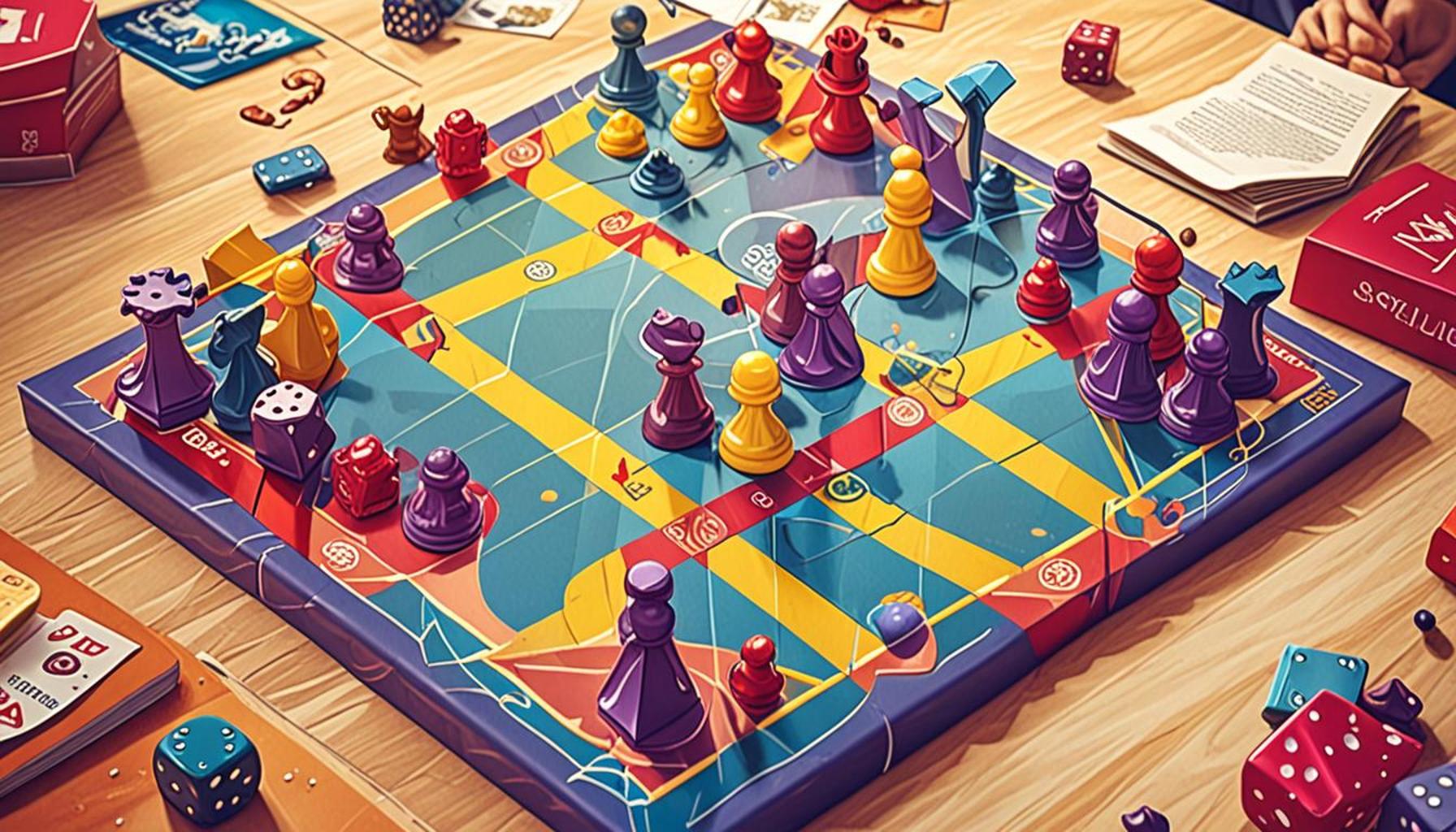
The Relationship Between Strategy Games and Neuroplasticity: Adapting Your Brain for Success
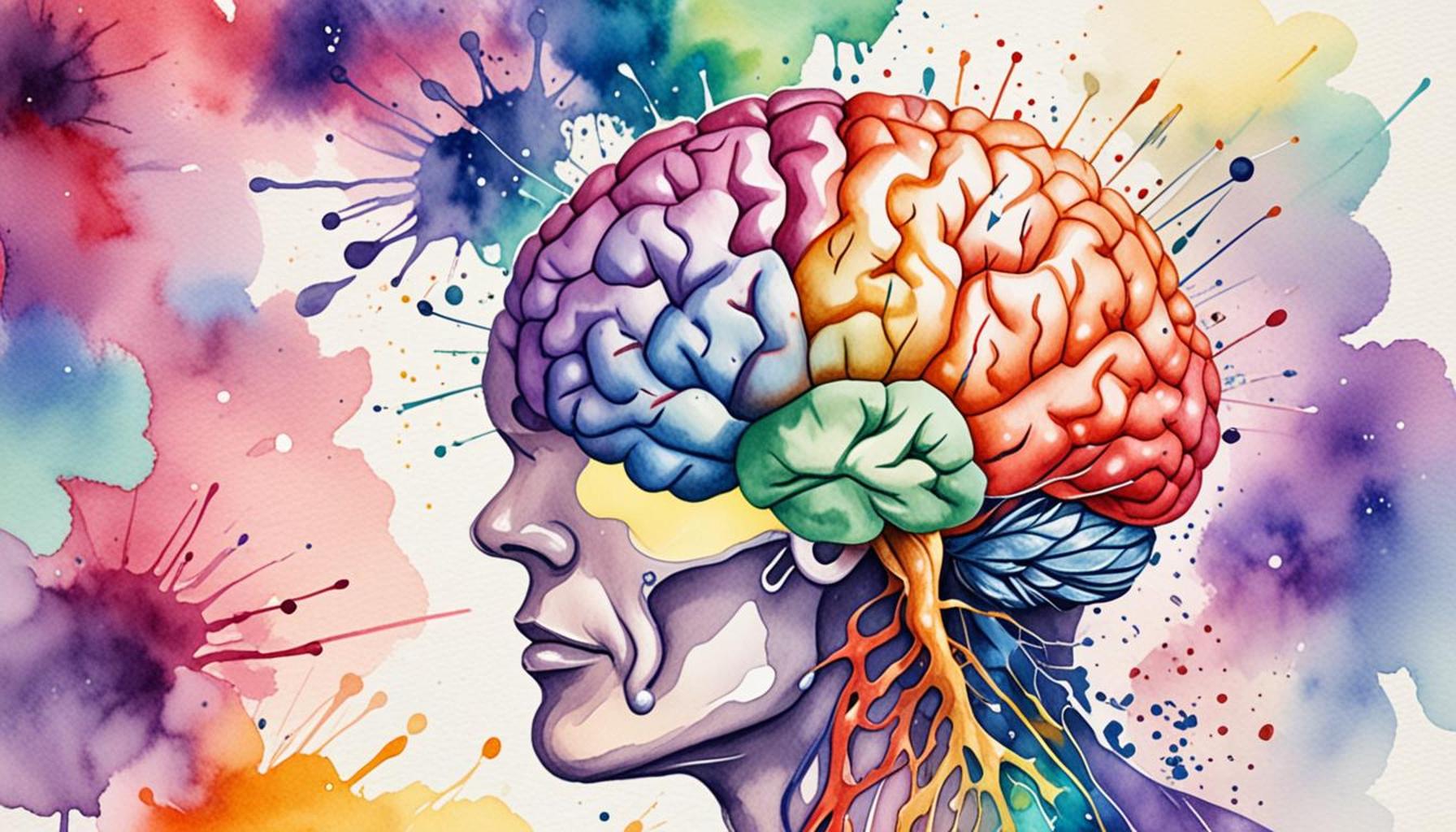
The Transformative Effects of Strategy Games on Cognitive Function
As our society continues to prioritize cognitive enhancement, the intriguing correlation between strategy games and neuroplasticity emerges as a compelling subject of study. Neuroplasticity refers to the brain’s remarkable ability to reorganize and form new neural connections throughout life, facilitating learning and retaining skills. This process is fundamentally important when it comes to engaging in strategy games, which challenge players to think critically, strategize, and adapt to changing situations.
One of the foremost benefits of these games is their ability to enhance critical thinking. For example, in games like chess, players must assess their opponent’s moves and anticipate potential counter-strategies. This kind of analytical thinking cultivates a deeper understanding of problem-solving by forcing players to evaluate multiple layers of complexity within a short time frame. Such skills are not just limited to the chessboard; they translate seamlessly into real-life situations, allowing individuals to navigate complex decisions with greater ease.
Memory retention also sees substantial improvement through regular engagement with strategy games. Players are often tasked with remembering positions, moves, and intricate tactics, which sharpens their ability to recall information. Games like Settlers of Catan require players to retain diverse strategies and negotiate effectively with other participants, thereby enhancing their memory skills in a competitive environment. This enhanced memory capacity can be particularly advantageous in various settings, from academic pursuits to workplace challenges.
The adaptability demonstrated by players is another crucial advantage. Strategy games often present unexpected challenges, requiring players to remain flexible and agile in their thinking. For instance, while playing StarCraft, gamers must quickly adjust their strategies based on the evolving state of the game, which can mirror scenarios faced in business or everyday life. Individuals learn to become more resilient and resourceful, traits that are invaluable in fast-paced environments.
Ultimately, the interplay between strategy games and neuroplasticity highlights an engaging avenue through which individuals can unlock their cognitive potential. As extensive research continues to support these claims, it becomes increasingly evident that incorporating strategy games into our routines could foster essential skills for both personal growth and professional success.

The relationship between engaging in such games and enhancing cognitive capabilities presents an exciting invitation to rethink leisure activities. By embracing the power of strategy games, are you ready to elevate your thinking, hone your adaptability, and enhance your overall mental agility?
DISCOVER MORE: Click here to dive deeper
Enhancing Cognitive Skills Through Strategic Play
Understanding the mechanisms of neuroplasticity allows us to appreciate why strategy games can serve as tools for cognitive enhancement. Neuroplasticity isn’t merely a scientific term; it’s a lifelong journey of brain reorganization that occurs as we learn new skills and adapt to our environments. Strategy games foster this adaptation by compelling players to engage in complex thought processes that stimulate brain growth. When players immerse themselves in these challenging environments, they are essentially training their brains to become more flexible and responsive.
Additionally, the challenges presented in strategy games not only sharpen critical thinking skills but also cultivate a variety of other cognitive functions. Here are some key cognitive skills enhanced through strategy games:
- Problem Solving: Players must identify problems and devise creative solutions, fostering innovative thinking.
- Planning and Forethought: Successful gameplay often requires players to formulate a plan well in advance, developing foresight and strategic planning skills.
- Resource Management: Games like Age of Empires place heavy emphasis on optimizing resources, which translates to real-life skills in budgeting and management.
- Multitasking: The fast-paced nature of many strategy games, such as Command & Conquer, necessitates swift management of various tasks simultaneously.
Research shows that playing these games activates several areas of the brain, including the prefrontal cortex, which is responsible for decision-making and social behavior, and the parietal lobe, critical for spatial awareness and numerical reasoning. Increased activation of these areas leads to strengthened neural pathways, effectively enhancing cognitive abilities over time.
Moreover, a growing body of evidence suggests that engaging with strategy games not only provides immediate cognitive benefits but may also yield long-term effects on cognitive resilience. According to a study published in the Journal of Neuroscience, individuals who regularly engage in strategic gameplay demonstrate improved memory retention and enhanced cognitive function well into older age compared to those who avoid such mentally stimulating activities. This indicates that the brain’s ability to adapt and improve can indeed be influenced by our choices in leisure activities.
In a world where cognitive demands are only increasing, the ability to enhance one’s mental flexibility and problem-solving skills through strategy games becomes increasingly valuable. As players challenge themselves within these intellectual arenas, they cultivate a mindset geared towards adaptability and success, critical traits needed for navigating both personal and professional challenges.
In conclusion, the journey through the realms of strategy games opens doors to cognitive enrichment, encouraging a more profound understanding of not only the game itself but also of how we engage with the world around us. As you consider incorporating these games into your routine, ask yourself: how can they reshape your cognitive landscape and propel you towards success?
| Advantage | Description |
|---|---|
| Enhanced Cognitive Flexibility | Strategy games challenge players to adapt quickly to new rules and scenarios, directly engaging the brain’s neuroplasticity. |
| Improved Problem-Solving Skills | These games encourage critical thinking and effective resource management, boosting your overall problem-solving abilities in daily life. |
| Memory Enhancement | Engaging in strategy games stimulates memory retention and recall, training the brain to hold intricate game details. |
| Focus and Concentration | The need to concentrate on multiple tasks in strategy games heightens attention span, translating to better focus in real-life tasks. |
Engaging with strategy games is not merely a pastime; it is an investment in mental capabilities. These games provide a platform for the brain to thrive on challenges, effectively carving new neural pathways through the process of neuroplasticity. For example, players often must make split-second decisions that test their ability to think critically, adapt quickly, and manage resources effectively. As they build innovative strategies and navigate complex game scenarios, they unlock a realm of cognitive benefits, enhancing flexibility, memory, and focus.Moreover, research highlights that active participation in these games can lead to a remarkable increase in synaptogenesis—the creation of new synaptic connections. This facet of neuroplasticity showcases how experiences and challenges shape our brain’s structure and functionality over time, paving the way for improved skills and adaptive thinking in both personal and professional spheres.
DIVE DEEPER: Click here to unlock the secrets of strategic thinking
The Social Dimension: Collaboration and Competition
Another fascinating aspect of the relationship between strategy games and neuroplasticity lies in the social dynamics they often foster. Many modern strategy games allow players to engage in collaborative or competitive play, adding a powerful social element that can further enhance cognitive traits while providing unique opportunities for brain adaptation. This interaction creates a multifaceted playground for developing both individual and communal skills, which is pivotal to our understanding of cognitive growth.
For instance, games such as StarCraft II or League of Legends demand teamwork and communication between players, requiring them to share resources, strategize on-the-fly, and adjust tactics according to their peers’ actions. This collaborative environment promotes effective communication and builds interpersonal skills, while also triggering brain processes involved in social cognition, empathy, and emotional intelligence. Engaging in social play activates the release of neurotransmitters like dopamine and oxytocin, enhancing motivation and satisfaction, which in turn can lead to improved memory and learning potential.
Importantly, studies have shown that social interactions in gaming translate to real-world benefits. Psychologists have found correlations between social gaming experiences and enhanced problem-solving skills, with players reporting increased confidence when navigating social interactions outside of the gaming environment. These skills are integral to both personal and professional success in the increasingly interconnected world we live in.
Moreover, psychological research indicates that competition in strategy games can also serve as a catalyst for neuroplastic change. Players often engage in competitive scenarios requiring them to quickly analyze their opponents’ strategies while simultaneously developing their own. This environment demands critical analysis and quick decision-making, enabling players to cultivate resilience and adaptability under pressure. In fact, players often learn to anticipate opponent moves, fostering a proactive mindset that translates well to real-life situations, such as negotiating in business or planning complex projects.
Statistics support this notion. A survey conducted by the Entertainment Software Association reported that 70% of players believe gaming helps them enhance their critical thinking abilities, while nearly 65% feel that it improves their ability to work with others. These self-assessments highlight the pervasive influence strategy games can have on personal development.
Finally, considering the rise of online multiplayer gaming platforms, the potential for cognitive growth through social engagement is more accessible than ever. Players from diverse backgrounds can connect, share ideas, and learn from one another. This cultural exchange can lead to new strategies and insights, further reinforcing the adaptive nature of the brain. As players invest time into collaborative or competitive gaming, they are simultaneously investing in their ability to navigate and adapt to an increasingly complex world.
The implications of these findings are profound: while honing specific cognitive skills through strategy games, players simultaneously engage in a rich social tapestry that nurtures neuroplasticity. This multifaceted approach ensures that not only is the mind stimulated, but it is also shaped and molded by the intricate interactions with fellow gamers.
DISCOVER MORE: Click here to unlock the secrets of enhancing your memory and creativity
Conclusion: Unlocking Cognitive Potential through Strategy Gaming
In summary, the intricate relationship between strategy games and neuroplasticity presents a compelling case for how gaming can shape the brain in profound ways. As explored throughout this article, engaging with strategy games not only enhances critical cognitive skills such as problem-solving, quick decision-making, and adaptability but also fosters social interactions that build valuable communication and teamwork abilities. The synergy between competition and collaboration enriches the gaming experience and contributes significantly to brain development.
Furthermore, as players immerse themselves in these interactive environments, they trigger neuroplastic changes that can lead to lasting benefits. This adaptive nature of the brain is particularly relevant in today’s fast-paced world, where resilience and creative thinking are essential. According to the Entertainment Software Association, many players themselves affirm the impact of gaming on their cognitive abilities, highlighting its role in enhancing both personal and professional development.
With the rise of online multiplayer platforms allowing diverse interactions, the opportunities for cognitive enhancement through strategy gaming are more plentiful than ever. As we continue to explore the advantages of this fascinating phenomenon, it is essential to recognize that strategy games are more than mere entertainment; they are powerful tools for engaging and adapting our minds to succeed in an ever-changing landscape. Encouraging further research and participation in these games may unlock even greater potential for individual growth and collective intelligence.