Using Visual Puzzles to Enhance Memory Visualization Techniques

Enhancing Memory with Visual Puzzles
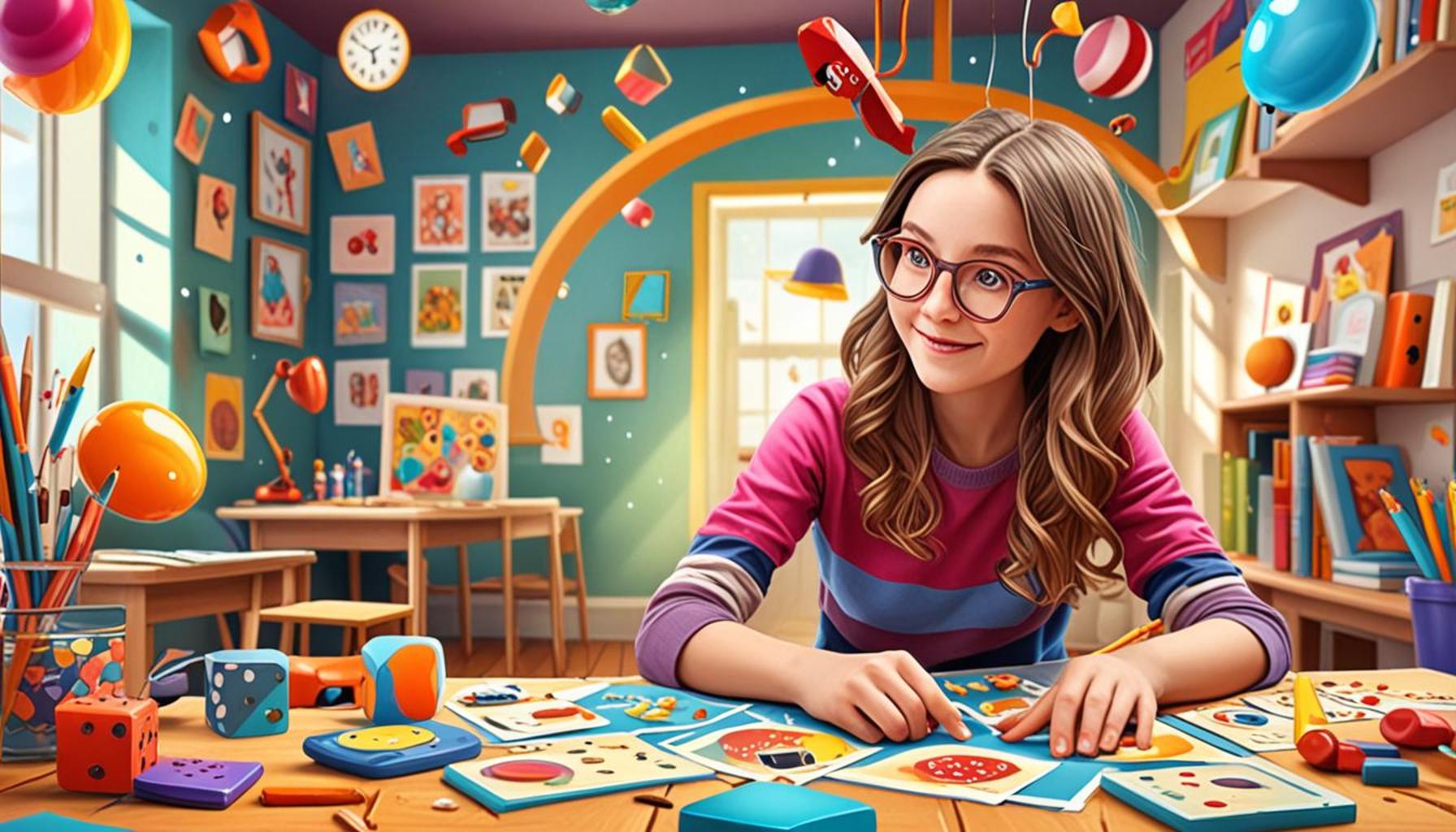
In today’s fast-paced world, memory visualization has become a vital tool for students, professionals, and lifelong learners alike. Incorporating visual puzzles into memory techniques is an innovative way to boost cognitive skills and retention. These engaging tools captivate the mind and offer a unique approach to enhance memory.
But how exactly do visual puzzles achieve this? Here are a few key benefits:
- Stimulates Creativity: Solving puzzles encourages thinking outside the box. This process nurtures innovative thinking and problem-solving skills, which can be beneficial in both academic and professional environments. When faced with a complex jigsaw puzzle, for instance, individuals must devise strategies to fit pieces together, prompting creative thought processes that can be applied in various contexts.
- Improves Focus: Concentrating on visual details sharpens attention spans. Engaging with intricate designs, whether in a crossword puzzle or a Sudoku grid, forces the brain to filter out distractions and enhance its focus. This practice can lead to improved productivity in daily tasks, from studying for exams to drafting important reports.
- Facilitates Memory Recall: Associating images with information enhances memory retrieval. Studies indicate that the brain tends to remember visual information better than text. By creating mental images related to the concepts being learned—such as linking a memorable image to a new vocabulary word—individuals can significantly boost their ability to recall information later.
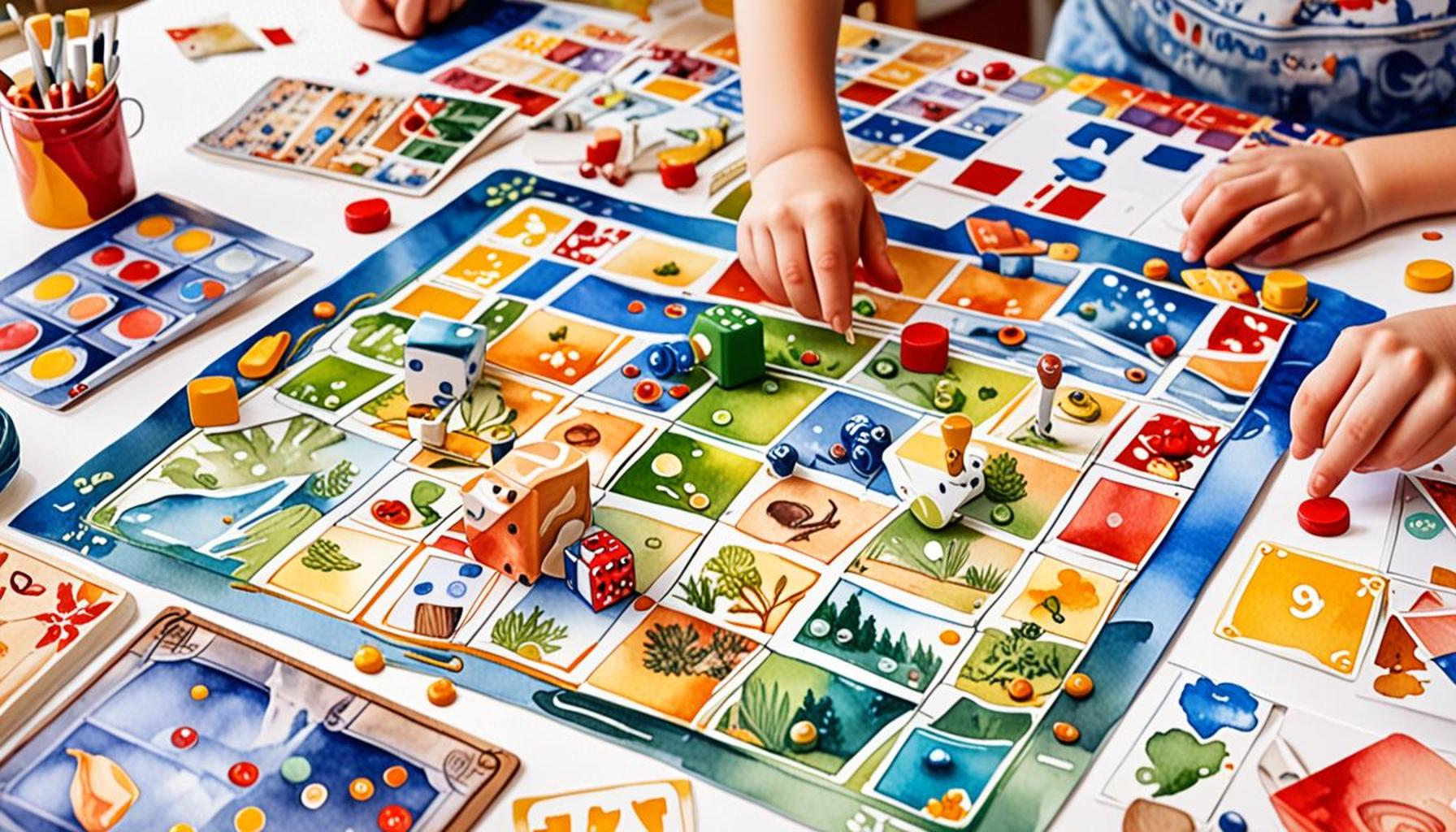
Incorporating these techniques into daily practice can be straightforward and enjoyable. For example, jigsaw puzzles that require spatial awareness not only enhance visual perception but also improve hand-eye coordination. Similarly, crossword puzzles are excellent for expanding vocabulary and reinforcing knowledge retention. Furthermore, logic puzzles like Sudoku can sharpen analytical skills, demonstrating the versatility in the types of visual puzzles available.
For those who may feel intimidated by traditional study methods, incorporating games or puzzles into their routine can transform learning into a more engaging experience. Educational apps and online platforms offer a plethora of visual puzzle options, making it accessible to a broader audience. For instance, platforms like Lumosity provide interactive puzzle games designed to enhance cognitive functions.
As you explore the world of visual puzzles, prepare to unlock new dimensions of memory improvement. Understanding the fundamental connection between visual stimuli and memory can lead to remarkable advancements in learning techniques. The journey of enhancing memory through visual puzzles might just change the way you think and learn, paving the way for both academic success and lifelong knowledge acquisition.
DIVE DEEPER: Click here to discover how board games can sharpen your strategic skills</p
The Science Behind Visual Puzzles and Memory Enhancement
Understanding the foundational elements of how visual puzzles interact with memory processes can shed light on their effectiveness. At its core, memory relies on the brain’s ability to encode, store, and retrieve information. Visual puzzles create a stimulating environment that can facilitate each of these stages, ultimately enhancing the overall memory experience.
The first step in the memory process involves encoding, which is essentially how our brain takes in information. When presented with a visual puzzle, individuals are often required to decode patterns, colors, and shapes. These visual inputs create a rich tapestry of sensory information that the brain can latch onto. By engaging with these multidimensional stimuli, learners can reinforce their memory pathways. Studies suggest that the brain is wired to recognize and remember images much more effectively than words alone. This verbal-visual dual coding provides a solid support structure for memory retention.
The second area where visual puzzles prove beneficial is in the storage of information. When completing a puzzle, individuals often create mental associations between the puzzle pieces and the information they are trying to remember. For instance, while working on a crossword puzzle, the clues and answers become linked with specific imagery in the individual’s mind. This associative learning is critical because it creates a richer context in which information is stored, making it much more accessible later on.
Finally, retrieval is the process of accessing stored information, and visual puzzles can turn this into a more manageable task. For instance, consider how a jigsaw puzzle might work: if one imagines the overall picture and the puzzle’s distinct elements, the brain is better equipped to retrieve specifics related to that image. Additionally, the practice of associating shapes and colors with concepts enhances the ease of recall, turning abstract facts into concrete mental images.
Let’s delve deeper into the benefits of incorporating visual puzzles into memory techniques:
- Boosts Engagement: Visual puzzles turn the often tedious process of memorization into a fun and interactive experience. This higher level of engagement can lead to increased motivation and enthusiasm for learning.
- Encourages Pattern Recognition: Solving visual puzzles naturally encourages individuals to look for patterns and relationships between pieces. This skill is not only vital for enhancing memory but is also transferable to various areas of life, from mathematics to logical reasoning.
- Reduces Anxiety: Many learners find traditional memorization techniques overwhelming and stressful. Visual puzzles offer a playful approach, allowing individuals to unleash their cognitive potential without the pressure often associated with formal studying.
These benefits clearly illustrate how visual puzzles serve as a bridge between creativity and cognitive functioning. By leveraging this connection, learners can incorporate techniques that not only enrich their memory skills but also make the learning process more enjoyable and effective. As we continue to explore the intersection of visual puzzles and memory enhancement, it becomes evident that these playful challenges offer a powerful way to recognize and harness the full potential of our cognitive abilities.
| Advantage | Description |
|---|---|
| Enhanced Cognitive Function | Engaging with visual puzzles can significantly improve one’s overall cognitive capabilities by challenging the brain to adapt and solve complex problems. |
| Improved Memory Retention | Utilizing visual puzzles aids in creating strong, mental connections that enhance memory retention, making recall easier and more efficient. |
Visual puzzles serve as a compelling tool to stimulate memory techniques, allowing individuals to visualize information in more engaging manners. By incorporating elements of play and challenge, these puzzles captivate users, thereby fostering a more active learning environment. Moreover, studies suggest that engaging with these puzzles regularly can lead to long-term improvements in memory and problem-solving skills, making them not just fun but also invaluable for personal and professional development. For those interested in enhancing their cognitive functions through interactive learning methods, exploring the universe of visual puzzles might be the next logical step in mastering memory visualization techniques. Remember to experiment with different types of visual puzzles to discover what resonates best with your learning style, as this can lead to the greatest benefits in memory enhancement.
LEARN MORE: Click here to discover the benefits of memory games
Practical Applications of Visual Puzzles in Memory Techniques
To truly appreciate the impact of visual puzzles on memory visualization techniques, it is essential to explore their practical applications in diverse learning environments. As educational institutions and workplaces embrace innovative methodologies, visual puzzles have emerged as an effective tool to enhance cognitive abilities and facilitate better information retention.
One significant area where visual puzzles have gained traction is in classroom settings. Educators are increasingly integrating visual aids, such as puzzle-based learning, into their curriculum to captivate students’ attention and facilitate deeper understanding. Subjects such as history and science can be particularly enriched by incorporating visual puzzles. For example, history lessons might use timeline puzzles where students piece together significant events that build a narrative, creating a mental image of the era. This process not only fosters individual engagement but also cultivates group discussions, strengthening collaborative learning experiences.
Moreover, visual puzzles are becoming a staple in memory training programs and workshops. Techniques such as memory palaces, which rely on spatial visualization, can be greatly enhanced through the integration of visual puzzles. By associating various rooms or landmarks within the memory palace with specific puzzles, individuals can create vivid mental imagery linked to the information they intend to retain. This method has been notably successful among individuals preparing for exams or needing to memorize large amounts of data, such as medical students or legal professionals.
In the realm of digital learning, many educational platforms and applications are harnessing the power of visual puzzles to create interactive and enjoyable user experiences. These platforms offer engaging activities like virtual jigsaw puzzles or interactive memory games that not only entertain but also challenge cognitive faculties. Research indicates that these gamified learning approaches can lead to significant increases in both information retention and recall speeds, with users reporting higher satisfaction and motivation levels during the learning process.
Furthermore, visual puzzles have applications in cognitive rehabilitation therapies. For individuals recovering from brain injuries or cognitive impairments, engaging with visual puzzles can provide stimulating exercises promoting memory enhancement and brain plasticity. Therapists often employ these puzzles as therapeutic tools to encourage brain activity and stimulate neural connections, offering a gentle yet effective means of improving cognitive function.
Finally, incorporating visual puzzles into everyday routines can enhance memory retention in practical life scenarios as well. For instance, using puzzles to associate grocery lists or important dates can create stronger mental links that aid in everyday recall. Simple practices, such as transforming family birthdays into a visual puzzle or creating a mental game around remembering tasks, can transform mundane memory challenges into interactive experiences.
As we discover the myriad ways in which visual puzzles are utilized across various fields, the evidence continues to illustrate their potential in enhancing memory visualization techniques. These engaging tools not only stimulate cognitive function but also pave the way for a more interactive and enjoyable learning journey.
DIVE DEEPER: Click here to unlock the secrets of memory palaces
Conclusion
In summary, the integration of visual puzzles into memory visualization techniques marks a transformative approach to enhancing cognitive skills across various domains. By engaging with these puzzles, learners of all ages can significantly improve their ability to retain and recall information, turning abstract concepts into tangible, memorable experiences. Whether utilized in the classroom to create immersive educational experiences, incorporated into exam preparation techniques for students, or employed in therapeutic settings to aid cognitive rehabilitation, visual puzzles demonstrate versatility and efficacy.
The ability of visual puzzles to foster engagement and facilitate group collaboration is particularly noteworthy. As educational institutions and professionals harness these tools, they cultivate a more interactive learning environment, driving motivation and retention. Furthermore, the rise of digital platforms harnessing gamified learning approaches has expanded access to these valuable resources, ensuring that memory enhancement techniques remain accessible and tailored to diverse learning preferences.
As we continue to explore the vast potential of visual puzzles, it becomes evident that their simple yet profound impact could revolutionize our understanding of memory training. Future research may unveil even more applications and techniques, underscoring the need for continued innovation in both educational methodologies and cognitive therapies. The message is clear: incorporating visual puzzles into our daily lives and learning journeys not only enhances memory retention but also enriches our cognitive experiences, fostering a culture of curiosity and discovery that encourages lifelong learning.