
Transforming Storage Spaces: Spatial Efficiency Through Minimalism in Bedrooms and Closets
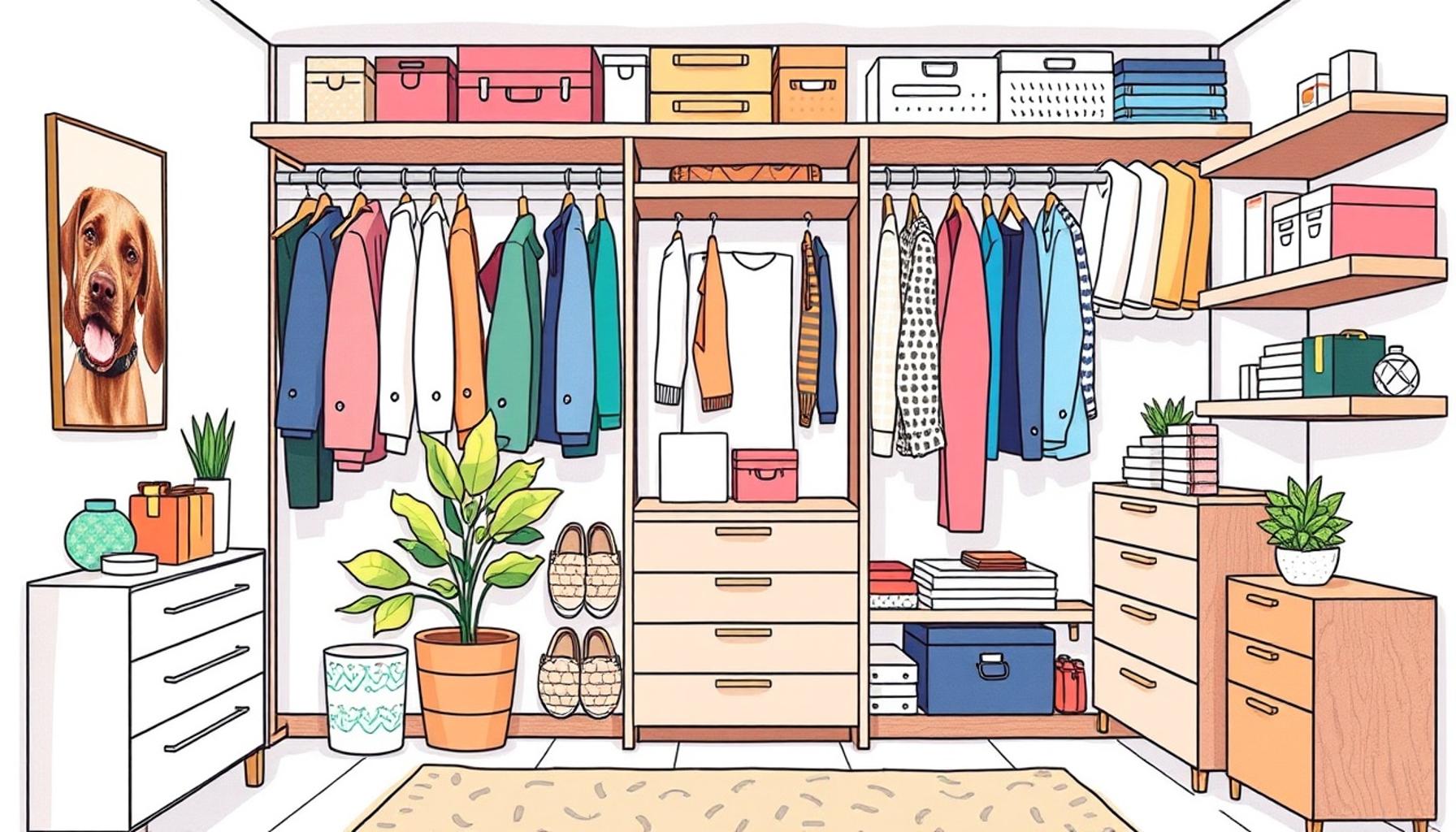
Reimagine Your Space
In a world where space is often at a premium, transforming your storage areas into models of spatial efficiency can make a significant difference. Particularly in bedrooms and closets, embracing minimalism not only declutters your environment but also enhances functionality. The act of clearing out unnecessary items creates a thriving atmosphere that allows for greater creativity and serenity in your daily life.
Why Minimalism Matters
At its core, minimalism focuses on reducing the unnecessary to create room for what truly adds value. By adopting this philosophy, individuals can cultivate a living space that promotes mental well-being and efficiency. Here’s why this approach resonates in our daily lives:
- Fosters a sense of peace and order: A cluttered space often leads to a cluttered mind. In contrast, a minimalist environment offers tranquility, helping individuals concentrate better and feel less stressed.
- Simplifies daily routines: With fewer items in your space, finding what you need becomes easier and faster. For instance, a closet that features a curated selection of clothing allows you to pick outfits in moments, making mornings less hectic.
- Leads to better organization: Minimalist spaces encourage regular evaluation of belongings, which can result in efficient time-saving solutions. Keeping only what you need frequently minimizes the time spent searching for items.
Key Concepts to Explore
As you delve into creating a more efficient space, consider exploring the following:
- Multi-functional furniture: Invest in versatile pieces like ottomans that can serve as storage units or beds with built-in drawers. These items not only save space but also increase functionality without sacrificing style.
- Vertical storage solutions: Utilize wall-mounted shelves and hooks to maximize vertical space effectively. This strategy frees up valuable floor area, making rooms appear larger and more airy, perfect for small apartments in urban settings.
- Seasonal rotation of items: This concept involves keeping only essential items accessible while storing away seasonal belongings. For example, swapping out winter clothes for summer attire can free up closet space and reduce clutter throughout the year.
By integrating these principles, you can liberate your living space and create a personal sanctuary that reflects your values. Embracing minimalism doesn’t merely change the appearance of your home; it can transform your entire lifestyle. Prepare to reevaluate the way you think about storage, and get ready to uncover the power of minimalism in your home.
In addition, as you navigate this journey, consider documenting your progress. This practice not only keeps you motivated but also allows you to revisit your choices and reflect on how minimalism reshapes your interactions with your belongings. Your journey to a more efficient and peaceful living environment could indeed serve as inspiration for others looking to reimagine their spaces.
DISCOVER MORE: Click here for innovative storage solutions
Embrace the Essentials
Transforming your storage spaces into hubs of spatial efficiency begins with embracing the essentials and letting go of the superfluous. Minimalism encourages individuals to assess their belongings critically, allowing them to keep only those items that serve a practical purpose or hold significant emotional value. This journey starts with asking yourself some fundamental questions:
- Does this item serve a purpose? If an item hasn’t been used in the past year, it might be time to reconsider its place in your home.
- How does this item make me feel? Sentimental items can be wonderful, but identifying which truly spark joy can lead to a more curated collection.
- Can I replace this item with something more functional? Seek multi-functional alternatives that can streamline your storage while keeping aesthetics in mind.
By engaging with these questions, you can begin to sift through your belongings with intention. The process may seem daunting at first, but the positive results are undeniable. With a minimalist approach, your bedroom and closet can emerge as not just storage areas, but organized, serene spaces that reflect your lifestyle.
Creating Functional Zones
Another vital aspect of transforming your storage spaces is the concept of functional zoning. This entails organizing areas by purpose, making it easier to locate items quickly and maintain order throughout your space. Start by dividing your closet and bedroom into specific zones:
- Sleep Zone: Ensure that your bed area is clutter-free, concentrating on items that foster relaxation, such as books or a bedside lamp, while keeping distractions to a minimum.
- Wardrobe Zone: In your closet, arrange clothing by category—work attire, casual wear, and seasonal pieces—making it easier to find the right outfit for any occasion.
- Storage Zone: Allocate specific areas for additional storage, such as shoes, accessories, or linens. Incorporating labeled bins or trays can enhance organization while adding a chic touch.
Designating these functional zones not only enables smooth transitions between different activities but also fosters an atmosphere of clarity and intention within your personal space. Seek to ensure that each zone aligns with your daily routine, promoting an efficient workflow in your life.
Mindful Shopping Practices
As you embark on this quest toward minimalism, consider adopting mindful shopping practices. The philosophy of minimalism extends beyond your current possessions; it also plays a significant role in how you acquire new items. Some strategies for mindful shopping include:
- One in, one out: For every new item you bring into your bedroom or closet, commit to removing at least one existing item.
- Quality over quantity: Invest in fewer, high-quality pieces that will stand the test of time, rather than purchasing trendy items that may quickly go out of style.
- Wait before buying: Implement a waiting period for potential purchases, allowing ample time to contemplate whether the item is essential or merely an impulse buy.
These principles encourage a conscious relationship with consumption, promoting a lifestyle that values quality and minimizes waste. As a result, you’ll find your bedroom and closet not only serve their practical purpose but also enrich your overall experience within your living space.
| Category 1 | Category 2 |
|---|---|
| Maximizing Vertical Space | Utilizing shelves, hooks, and tall storage units |
| Organizational Tools | Incorporating bins, drawer dividers, and sorters |
Embracing minimalism in bedrooms and closets transforms not only storage but also the overall ambiance of your living space. Maximizing vertical space is crucial; by using walls for shelves and hooks, you can elevate items that previously consumed valuable floor space. This not only keeps your environment tidy but also creates the illusion of higher ceilings, making the room feel more expansive.On the other hand, organizational tools play a pivotal role in maintaining spatial efficiency. Items such as bins and drawer dividers help categorize belongings, ensuring that everything has its place. This promotes a quick and efficient cleanup process, allowing you to spend more time enjoying your minimalistic sanctuary rather than searching for lost items. Together, these strategies propel the transformation of storage spaces into functional works of art, marrying aesthetics with functionality seamlessly.
DIVE DEEPER: Click here to discover how simplicity can enhance your emotional well-being</
Maximizing Vertical Space
One of the most effective strategies for achieving spatial efficiency in your bedroom and closet is to maximize vertical space. Often overlooked, vertical storage can dramatically increase your capacity without requiring additional floor space, making it an essential component of minimalist design. Here are a few ways to utilize vertical space effectively:
- Install Shelving: Open shelving units are not only functional but can also serve as a decorative element. By showcasing items in a visually appealing manner, you can keep frequently used items accessible while reducing visual clutter.
- Utilize Overhead Space: Don’t forget about the space above your head—install hooks or racks on walls or inside closet doors to hang bags, scarves, or accessories. This not only clears floor space but keeps your items easy to find.
- Opt for Tall Furniture: Invest in tall dressers or bookcases that utilize vertical space rather than floor space. This allows for more storage without overwhelming your room’s dimensions.
- Stackable Storage Solutions: Use stackable bins or drawers for items like shoes or seasonal clothing. These can be easily adjusted as your needs change, allowing for flexible and dynamic organization.
In areas where square footage is limited, recalling the “up” principle can transform your cluttered corners into stylish, effective storage solutions. By thinking vertically, you guarantee not only an organized space but a sense of openness, which is essential in minimalist design.
Seasonal Rotation Strategies
Another key area of focus is implementing seasonal rotation strategies within your storage spaces. Many individuals find that their closets become battlegrounds of outdated fashion, particularly when items are not rotated out to accommodate seasonal changes. This approach enhances the utilization of space while ensuring that everything you need is readily accessible. Here are some methods to efficiently manage your seasonal wardrobe:
- Seasonal Wardrobe Cycle: At the start of each season, evaluate your wardrobe and remove any out-of-season clothing. For example, store summer clothes and pull out heavier jackets as winter approaches. This keeps your clothing relevant and readily available, preventing overcrowding.
- Storage Containers: Invest in clear plastic bins with labels for off-season clothes. This will not only protect them but also enables easy identification when transitioning between seasons.
- Donation Drives: Use the seasonal shift as an opportunity to donate items that no longer fit, are out of style, or that simply do not resonate with your current aesthetic. This practice streamlines your closet and fosters a sense of clarity, in line with minimalism.
By actively managing your wardrobe in relation to the seasons, you will cultivate a living space that is adaptable and reflective of your current needs. This not only fights clutter but enhances emotional wellbeing by surrounding yourself with clothing that you genuinely enjoy.
Incorporating Underutilized Areas
Beyond the obvious organizational techniques, there are countless underutilized areas in bedrooms and closets that can be transformed into storage solutions. A little creativity can lead to significant improvements in spatial efficiency. Consider these innovative spaces:
- Under-Bed Storage: Utilize the area under your bed for storage bins or drawers. This can be a fantastic place for off-season clothing, shoes, or even extra linens, allowing you to keep your bedroom tidy.
- Behind Doors: The inside of closet doors can hold additional hanging organizers for shoes or accessories. These often-forgotten spaces can create more room while remaining out of sight.
- Multi-Functional Furniture: Look for furniture pieces that double as storage solutions, such as ottomans with lids or benches with hidden compartments. This reduces the need for separate bulky items while keeping the aesthetic uncluttered.
By exploring unconventional areas for storage, homeowners can maximize every inch of their space, leading to a more organized and serene environment. This approach aligns beautifully with minimalism, ensuring that each element in your bedroom or closet serves a purpose and contributes to a simplified lifestyle.
DIVE DEEPER: Click here to explore innovative design strategies
Conclusion
In conclusion, transforming storage spaces in bedrooms and closets through minimalism not only enhances spatial efficiency but also creates a serene environment conducive to personal well-being. By methodically organizing and prioritizing belongings, and adopting strategies such as maximizing vertical space, implementing seasonal rotation systems, and utilizing underutilized areas, individuals can reclaim their living spaces from the chaos of excess.
These transformative practices foster a strong sense of clarity and tranquility, allowing individuals to surround themselves with items that truly resonate with their lifestyles and values. Embracing minimalism doesn’t mean sacrificing style or personality; rather, it encourages thoughtful curation of possessions and the intentional use of space.
The journey to a more organized, spacious bedroom or closet is not merely about physical decluttering—it’s also about cultivating a mindset that appreciates simplicity and functionality. By embracing this mindset, you can create a personal oasis that reflects your identity and nurtures your mental clarity. As you embark on this journey, consider exploring new storage solutions and innovative designs, which can lead to further discoveries in achieving a lifestyle aligned with your ideals. Ultimately, the key to successful spatial efficiency through minimalism lies in an ongoing commitment to evaluation and adaptation, ensuring that your storage spaces evolve alongside your personal growth and changes.